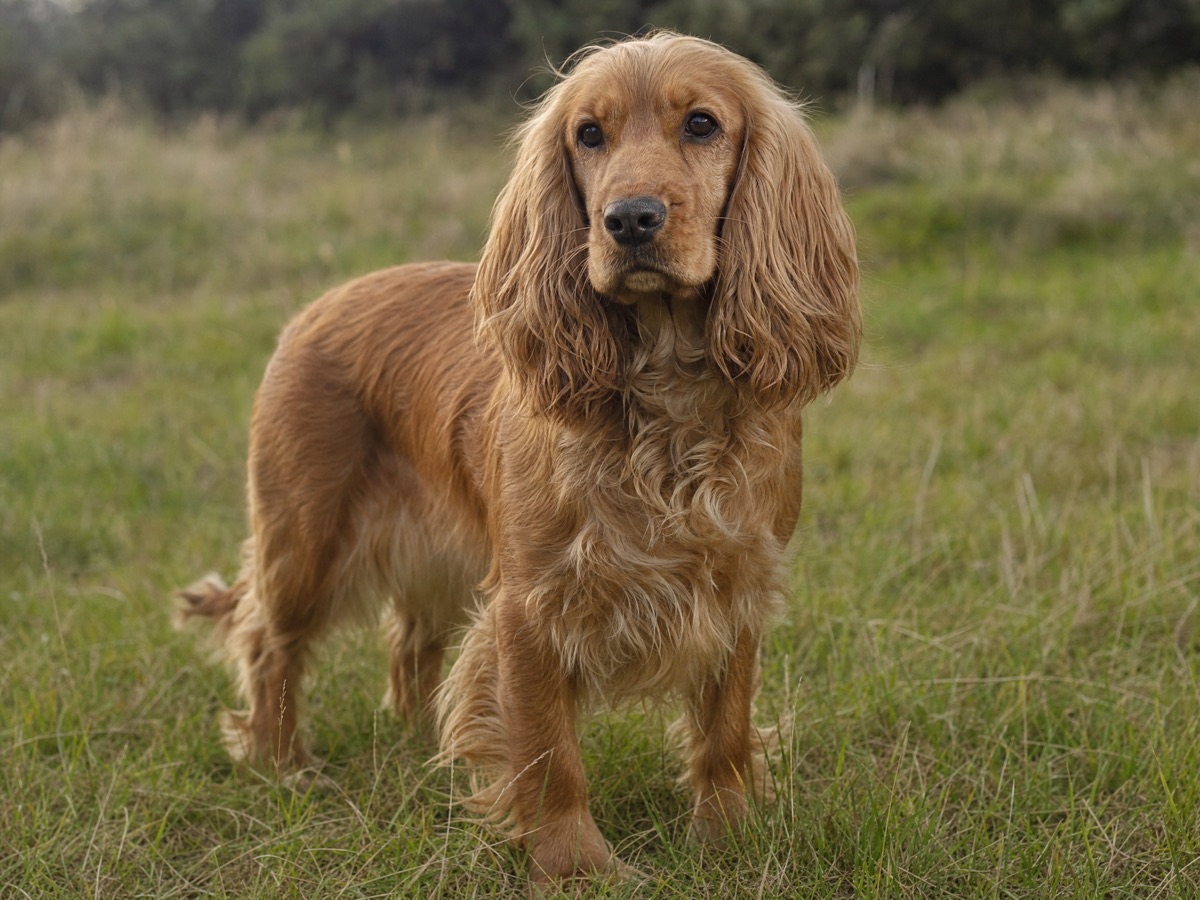
Cocker Spaniel
A merry, feather-eared gundog that never stopped wagging.
Vital stats
| Size | Small-medium · 34–39 cm |
| Weight | 7–14 kg |
| Life expectancy | 10–14 years |
| Energy | High — 60 min/day |
| Shedding | Moderate |
| Coat | Silky, feathered coat · black, buff, parti and more |
| Group | Sporting · FCI №167 / AKC |
| Origin | United States |
| FCI group | 8 — Retrievers, Flushing Dogs and Water Dogs · FCI 167 |
Breed traits
Friendliness
Care
Mind
The Cocker Spaniel by the numbers
The Cocker Spaniel facts owners search for most — price, lifespan, weight, shedding and colours, in one place.
Widely bred, so you can usually find a litter from a registered breeder without a long wait. Ongoing costs stay modest — it eats little and routine vet care sits at the lower end. Its coat also needs a professional groom every few weeks — a real line in the budget.
We don't quote a single figure: the real price swings with breeder, region, bloodline and health testing — and a rescue costs a fraction of a breeder's litter. Adopting is almost always the cheapest route.
Temperament
The smallest of the sporting breeds carries a full-size gundog heart: bred to quarter the field for woodcock, it channels that eagerness into games, walks and simply being adored. Expect a soft-natured, tail-driven optimist that trains beautifully with kind hands — Cockers are sensitive souls, and harsh corrections bruise more than they teach.
Habits & quirks
The full-body wag
Happiness starts at the stubby tail and takes over the whole dog — 'merry' is in the breed standard for a reason.
Soup ears
Those long, low-set ears trail into food and water bowls; snoods at dinner are not vanity.
Nose-first walks
A birdy nose means every hedge is a headline — build in sniffing time or walk forever.
The velcro nap
Wherever you settle, a Cocker materialises against your leg within the minute.
Health
The Cocker Spaniel is a merry, soft-natured gundog, and its health needs most attention on the eyes, the thyroid and the waistline. The breed carries eye problems including progressive retinal atrophy (PRA), a tendency to hypothyroidism, and a real fondness for food that makes weight easy to put on. Buy from breeders who screen eyes, hips and hearts, keep the ears clean and dry, and keep your Cocker lean — begging is a Cocker art form, and giving in shows up on the scales.
Nutrition
| Grooming | Brush the feathered coat several times a week and book a trim every four to six weeks — mats form fast behind ears and legs. |
| Ears | Check and dry the ear canals weekly; those beautiful drop ears trap moisture and infections. |
| Exercise | A brisk hour daily plus fetch and scent games keeps the gundog brain content. |
| Health | Choose breeders who screen eyes, hips and hearts; keep weight down — begging is a Cocker art form. |
A Cocker will happily eat well past what it needs, so this is a breed where you weigh the meals and mean it. Count every treat into the daily total, resist the pleading eyes at the table, and aim for ribs you can feel under the coat. A lean Cocker moves better and lives longer — the begging is charming, but you're the one holding the scoop.
Puppy guide
A Cocker puppy is sweet, soft and keen to be with you, which makes early life a pleasure. Get him used to having his ears checked, his coat brushed and his feet handled from the very start, because this is a coat that needs lifelong grooming and ears that need weekly attention. Socialize him early and widely, keep the food measured even now, and choose a breeder who screens eyes, hips and hearts.
Training
Cockers are willing, sensitive dogs that train beautifully on kindness and treats, though the treats need counting given how easily the breed gains weight. Keep sessions upbeat and reward-based; a soft-natured gundog wilts under harsh handling and blooms under praise. Give that busy nose real work — fetch, scent games, a proper daily walk — because a Cocker with something to do is a calm, happy Cocker.
Known health issues
No breed is problem-free. These are the conditions most worth knowing about for this breed — with what a good breeder screens for and what an owner watches. General guidance, not a substitute for your vet.
Inherited eye disease
Progressive retinal atrophy and cataracts run in several breeds and can dim or take sight over time. Good breeders screen: Eye-tested parents and, where available, a DNA test for PRA. Watch for: Night-time bumping, cloudy eyes, or hesitation in dim light.
Underactive thyroid
A slowed thyroid that saps energy and coat, common in mid-size and large breeds and easily treated. Good breeders screen: Ask about thyroid testing in the line. Watch for: Weight gain, low energy, and thinning coat — a simple blood test confirms it.
Tends to gain weight
A hearty appetite and easy weight gain that quietly shortens life and worsens joints if unchecked. Good breeders screen: Not a genetic test — a management point to plan for. Watch for: Keep ribs easy to feel; measure meals and go easy on treats.
Worried about a symptom right now? Dog ear infections: signs, causes and when to see a vet
Life expectancy
Cocker Spaniels live 10–14 years. Cockers are a fairly long-lived breed, and the single biggest thing in your hands is weight: a lean Cocker outlives a heavy one, plainly and reliably. Buy from lines that screen eyes, hips and hearts, keep the ears healthy so infections don't become a lifelong battle, and hold the line on the begging. Steady weight and good breeding do most of the work.
Popular Cocker mixes
Cockapoo
One of the original and most popular doodles, bred for a lower-shedding coat and a friendly, biddable nature. Coat type varies from puppy to puppy and needs regular grooming.
Sprocker
A working spaniel cross with drive to spare, bred more for the field than the sofa. Needs a lot of exercise and a job for its nose.
Spanador
A friendly, easy-going family mix with the Cocker's charm and the Labrador's steadiness. Loves food, so watch the weight.
Cockachon
A small, cheerful, affectionate companion with a soft, low-shedding coat. Sweet-natured and fond of company.
Cockalier
A gentle lap-and-play cross that loves people. Expect a feathered coat that needs regular brushing and ears kept clean.
Similar breeds
Breeds with a similar build and background — worth a look if this one isn't quite the fit.
Breeds that look like this
Common questions
Are Cocker Spaniels good family dogs?
Yes — gentle, affectionate and playful. Supervise with very young children, as an excited Cocker can be bouncy.
Do Cocker Spaniels need a lot of grooming?
Yes — brush the feathered coat several times a week, trim every few weeks, and keep the long ears clean and dry to avoid infections.
What's the difference between an American and an English Cocker Spaniel?
They split from shared English stock in the twentieth century and have been separate breeds since the 1940s. The American is smaller with a rounder head, shorter muzzle and more profuse coat; the English is taller, plainer-coated and closer to its working roots.
Does the Cocker Spaniel shed a lot?
Moderately. The Cocker Spaniel sheds a fair amount, steadily through the year with heavier seasonal patches. A weekly brush keeps most of the loose hair off your floors and clothes.
Is the Cocker Spaniel hypoallergenic?
Not really. No dog is truly hypoallergenic, and the Cocker Spaniel's shedding coat releases plenty of the dander that sets off allergies. If someone at home is allergic, this isn't the easiest breed to live with — spend time around one first.
Is the Cocker Spaniel easy to train?
Reasonably. The Cocker Spaniel is trainable with consistency and rewards, though it isn't the quickest study. Keep sessions short and positive, and be patient with the basics like recall.
Stories featuring this breed
All stories →
Is a Cockapoo a breed? What designer crosses really are
A Cockapoo is a hugely popular dog — but not a breed any major registry recognises. Why a cross isn't a breed, what F1 and F1b actually mean, and why it matters.
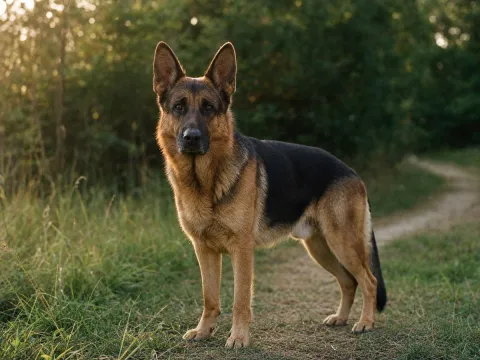
PAW Patrol breeds: every pup's real dog, from Chase to Tracker
Chase is a German Shepherd, Zuma is a Chocolate Labrador, and Skye's Cockapoo isn't a registered breed at all. The honest, canon breed behind every PAW Patrol pup.
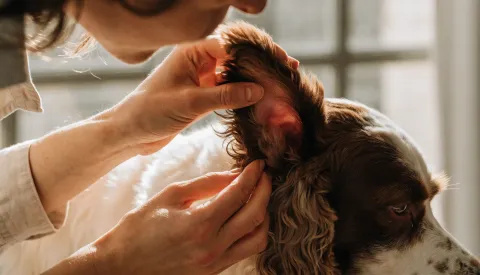
Dog ear infections: signs, causes and when to see a vet
Head-shaking, scratching and a smelly ear usually mean an ear infection. Why they happen, what helps at home, and why the first one always needs a vet.