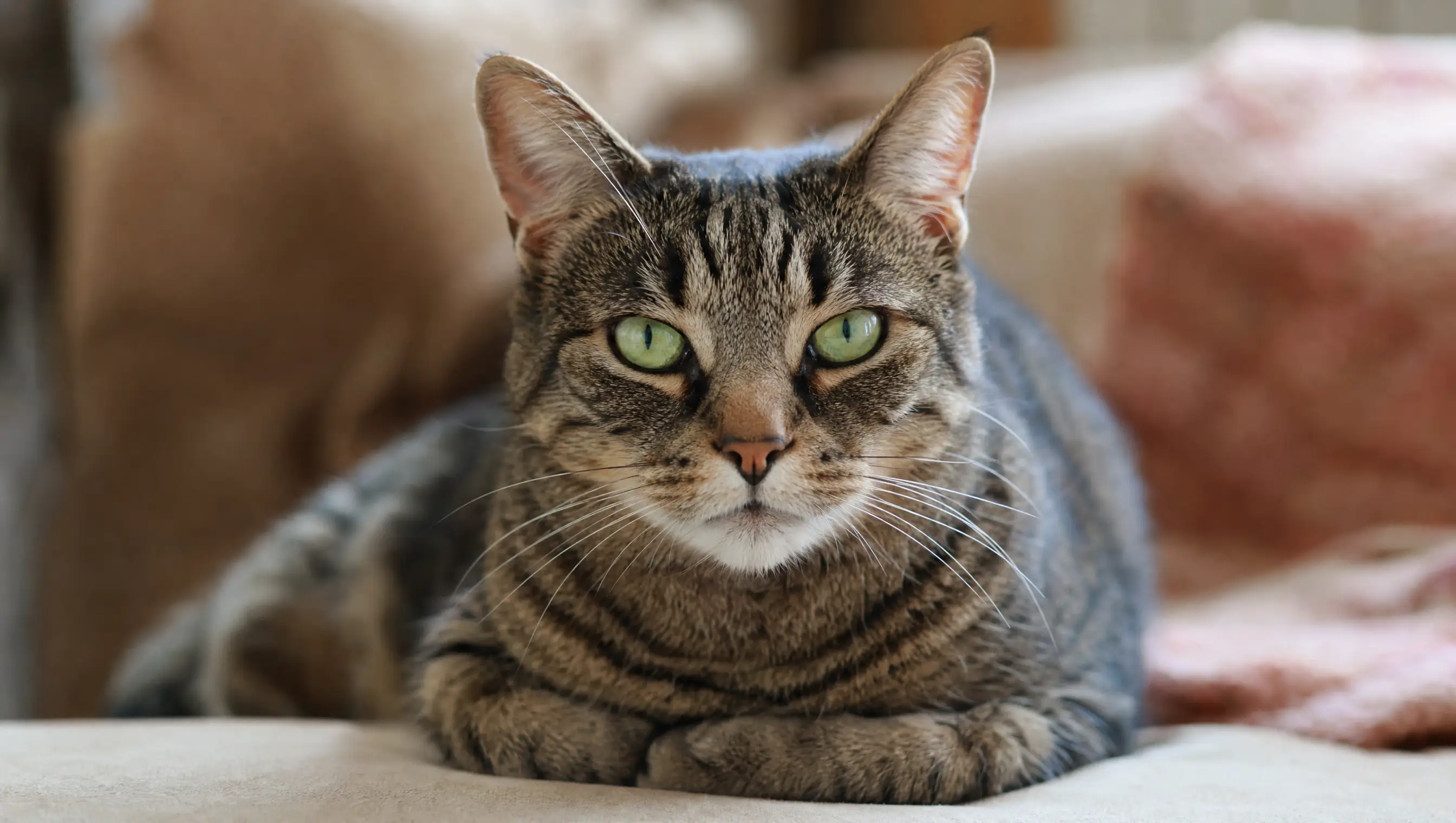
Domestic Shorthair
The ordinary house cat — mixed by no one, tuned by centuries of living alongside us.
Vital stats
| Size | Small to medium |
| Weight | 3–5 kg · some toms heavier |
| Life expectancy | 12–18 years, often more |
| Energy | Moderate — varies by cat |
| Shedding | Moderate, heavier in spring |
| Coat | Short, dense, close-lying |
| Group | Shorthair |
| Origin | Worldwide |
Breed traits
Friendliness
Care
Mind
The Domestic Shorthair by the numbers
The Domestic Shorthair facts owners search for most — price, lifespan, weight, shedding and colours, in one place.
Widely bred, so you can usually find a litter from a registered breeder without a long wait. Ongoing costs stay modest — it eats little and routine vet care sits at the lower end.
We don't quote a single figure: the real price swings with breeder, region, bloodline and health testing — and a rescue costs a fraction of a breeder's litter. Adopting is almost always the cheapest route.
Temperament
There is no single Domestic Shorthair temperament, and anyone who promises you one is selling something. These are mixed-ancestry cats, so what you get depends on the individual and how it was raised, not a breed blueprint. That said, generations of living close to people have selected for cats that tolerate us well: many are easygoing, adaptable, and equally content to nap through a quiet afternoon or chase a bottle cap down the hall. Kittens handled early tend to settle into confident adults; those that grew up feral or under-socialised may stay wary for life. The upside of that genetic lottery is real hybrid vigour — fewer of the inherited faults bred into narrow pedigrees.
Habits & quirks
Every colour going
One litter can hold a tabby, a black, and a calico — coat and pattern are a roll of the genetic dice, not a fixed type.
Serious hunter
The working ancestry shows: many are keen, efficient mousers that will patrol a garden or barn given the chance.
Reads the room
Bred by circumstance to fit human households, most adapt fast to new homes, routines, and other pets.
Self-sufficient
Happy to entertain themselves for stretches, which suits owners who are out during the day — though company is still welcome.
Care
| Grooming | The short coat is close to fuss-free — a weekly brush lifts loose hair and cuts down on hairballs, and that's usually the extent of it. |
| Weight | The most common health problem you'll actually meet is a fat cat; measure meals, skip the free-feeding, and keep them moving with play. |
| Health | No breed screens apply, but the routine still matters: annual checks, dental care, vaccinations, and parasite control. Neuter to prevent unwanted litters — there are already too many. |
| Enrichment | A bored house cat gets destructive or overeats; a scratching post, a window perch, and ten minutes of hunting-style play a day keep the head busy. |
Life expectancy
This breed has a typical life expectancy of 12–18 years, often more.
Similar breeds
Breeds with a similar build and background — worth a look if this one isn't quite the fit.
Common questions
Is a Domestic Shorthair a real breed?
No. It's a catch-all term for a short-haired cat of mixed or unknown ancestry — the everyday house cat. Pedigree breeds like the British or American Shorthair are bred to a written standard; a Domestic Shorthair isn't.
Are Domestic Shorthairs healthier than purebreds?
Generally, yes. The wide, unmanaged gene pool means fewer of the inherited conditions concentrated in narrow pedigree lines. They're not immune to illness, but they dodge a lot of breed-specific baggage.
What personality will my Domestic Shorthair have?
Impossible to guarantee — that's the trade-off for a mixed background. Meet the actual cat rather than trusting a breed label, and favour one that's been handled and socialised early if you want an easy, people-friendly adult.
Does the Domestic Shorthair shed a lot?
Moderately. The Domestic Shorthair sheds a fair amount, steadily through the year with heavier seasonal patches. A weekly brush keeps most of the loose hair off your floors and clothes.
Are Domestic Shorthair cats hypoallergenic?
No cat breed is truly hypoallergenic, and the Domestic Shorthair isn't one of the easier ones. The trigger is Fel d 1, a protein in a cat's saliva and skin that ends up on the coat during grooming and then spreads on loose hair and dander — and this breed sheds enough to move plenty of it around. If someone at home is allergic to cats, this is a hard breed to live with; spend real time around one first.
Are Domestic Shorthair cats good with children?
Often, in the right home. The Domestic Shorthair is reasonably sociable and can settle well with children who already know how to handle a cat gently. Give it high perches and a room the kids don't own, and introductions go far better.
How much grooming does a Domestic Shorthair need?
A weekly comb is usually enough for the Domestic Shorthair, with a second pass during a seasonal moult. That keeps loose hair off your furniture and cuts down on hairballs, since everything the cat doesn't shed onto the sofa it swallows while washing.
Stories featuring this breed
All stories →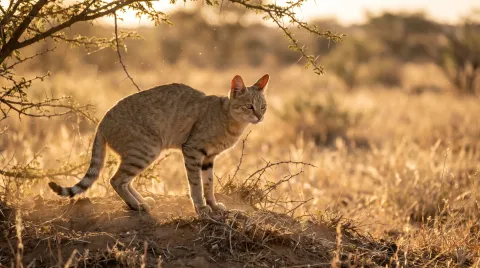
How cats domesticated themselves
No one set out to tame the cat. It walked into the grain stores of the first farmers about 10,000 years ago and stayed — barely changed from the wildcat it still is.
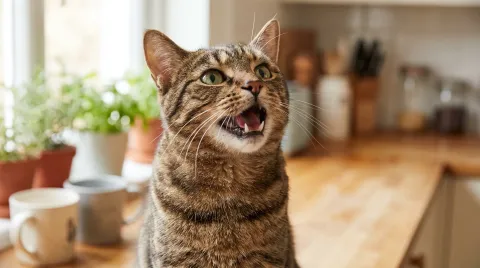
Why cats can’t taste sweetness — and dogs can
A cat is deaf to sugar because a single taste gene broke long ago. That one fact opens up the whole biology of the obligate carnivore in your kitchen.
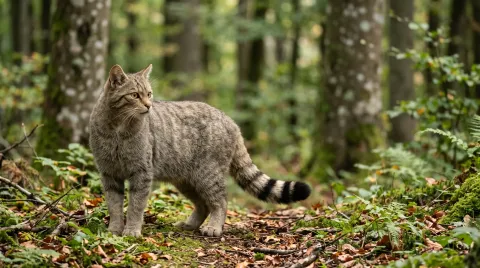
European wildcat: the cat Europe cannot count
Felis silvestris was only assessed as a species in its own right in 2022, and its official population trend is one word: unknown.