Chinook
A sled dog with a farm dog's soul — rare, tawny, and endlessly kind.
Vital stats
| Size | Large · 56–69 cm |
| Weight | 23–41 kg |
| Life expectancy | 12–15 years |
| Energy | High — 60+ min/day |
| Shedding | Heavy, seasonal |
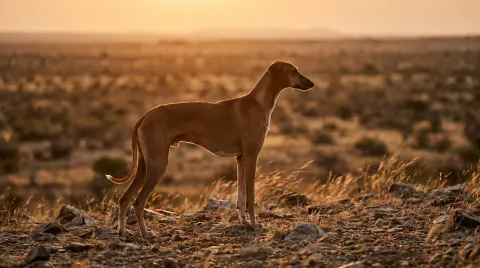
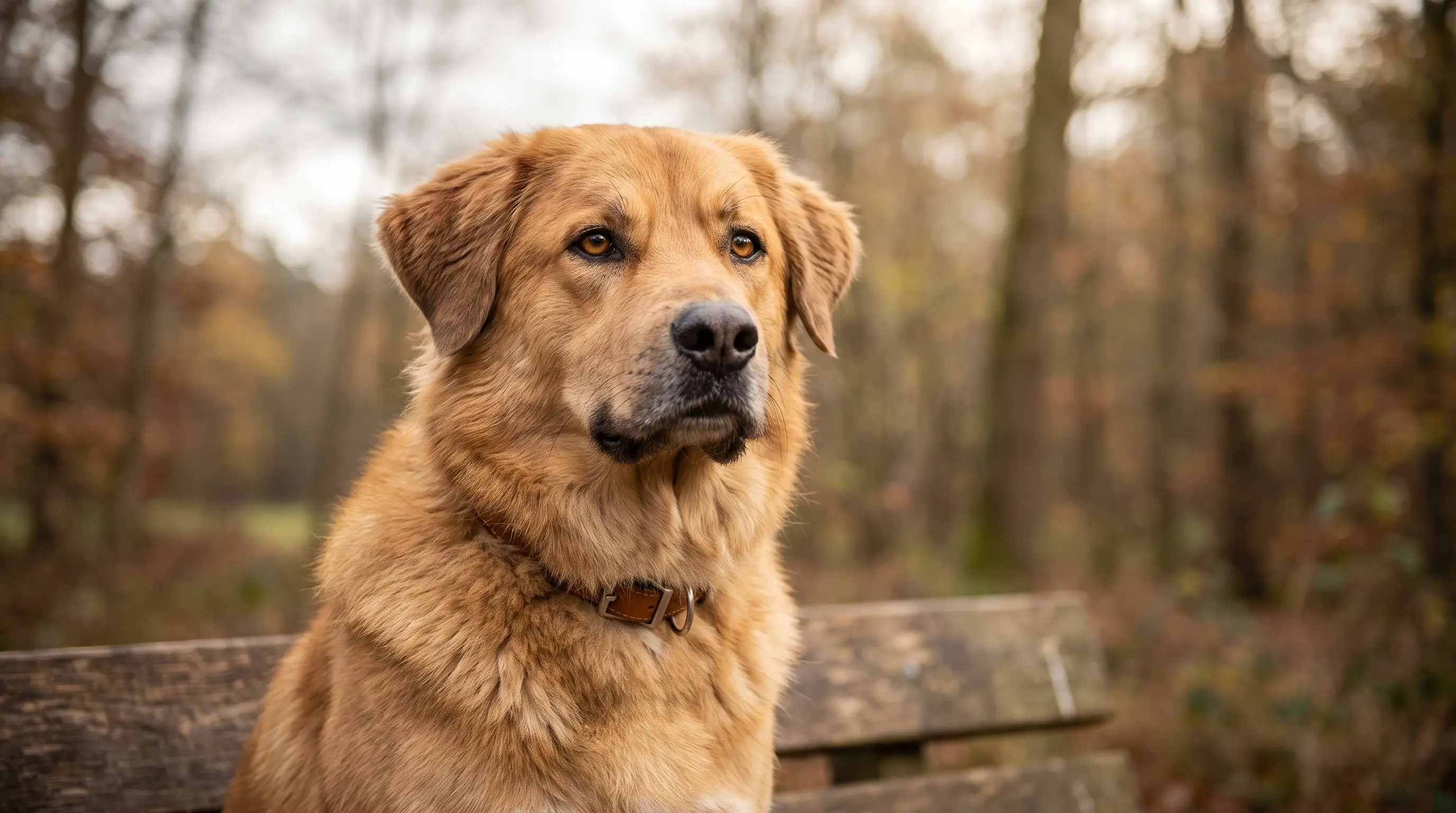
| Coat | Tawny double coat · dark muzzle common |
| Group | Working · AKC |
| Origin | New Hampshire, United States |
Breed traits
Friendliness
Care
Mind
The Chinook by the numbers
The Chinook facts owners search for most — price, lifespan, weight, shedding and colours, in one place.
Less common, so expect a waitlist and some travel to a reputable breeder — which pushes the price up. Ongoing costs run high — more food, bigger doses at the vet, and pricier insurance.
We don't quote a single figure: the real price swings with breeder, region, bloodline and health testing — and a rescue costs a fraction of a breeder's litter. Adopting is almost always the cheapest route.
Temperament
Arthur Walden wanted a sled dog with the strength of a freighter and the manners of a family pet, and that is exactly what he built. The Chinook pulls with serious purpose in harness, then comes home biddable, unflappable and gentle — a pack animal that needs its people and dislikes being the only dog left out of anything.
Habits & quirks
Born to haul
Give it a harness, a cart or a loaded backpack and you'll see a dog visibly delighted to be employed.
The talker
Chinooks rarely bark but hold whole conversations in whines, woos and grumbles.
Kid magnet
Bred alongside Walden's farm children, it gravitates to the smallest humans in the room.
Digging season
A bored Chinook landscapes the garden — sled-dog roots come with sled-dog hobbies.
Health
The Chinook is generally a sound, sturdy working dog, and the honest health conversation with a breeder is less about a checklist of conditions than about the breed's own narrow history. By 1981 it had come within a few breedable dogs of vanishing, and although dedicated breeders pulled it back, the worldwide population is still small and the gene pool with it. So the questions that matter are about pedigree depth and how a breeder manages a limited gene pool; ask those, keep the dog lean and well-exercised, and you have a robust breed that tends to age well.
Nutrition
| Exercise | An hour or more daily; hiking, carting and skijoring beat plain walks — this breed wants to pull something. |
| Grooming | Weekly brushing most of the year, daily during the two big seasonal coat blows. |
| Training | Eager and sensitive — reward-based training works quickly; harshness shuts it down. |
| Containment | A secure fence matters; a working brain plus digging talent finds gaps you didn't know existed. |
A Chinook is a big double-coated sled dog bred to pull, so feed it to the work in front of it: a dog hiking, carting or skijoring through the week eats differently from one having a quiet spell, and the ration should follow the effort rather than sit at a fixed scoop. Weigh the meals, count training treats into the day, and keep him lean under that thick coat, since carrying extra weight is hard on any large, athletic frame. The coat itself sheds heavily twice a year without changing what goes in the bowl; that's grooming, not diet.
Puppy guide
A Chinook puppy is a large, slow-to-mature working dog with a sled dog's body and a farm dog's heart, so give it time to grow up. Keep early exercise light and low-impact while the joints are still forming, free play and short outings rather than long forced runs or repeated jumping, and let the harder pulling work wait until it's mature. Socialize widely and gently; the breed was raised alongside children and thrives on being included, and an unflappable adult starts with a puppy that meets the world calmly. Channel the digging and the busy brain early, because a bored young Chinook redesigns the garden.
Training
Chinooks are eager, clever and sensitive, and that last word is the key one: reward-based training works fast, while a harsh correction shuts the dog down and loses you ground. Give it a job, hiking, carting, skijoring, anything that lets a working dog feel useful, and it will meet you more than halfway. Put early work into a solid recall and calm manners, and back it up with a secure fence, because a Chinook that combines a working brain with real digging talent will test a weak boundary.
Life expectancy
Chinooks live 12–15 years. That's a solid span for a large breed, and you help a Chinook reach the top of it the same way you keep it happy: a lean weight, daily work for body and mind, and a puppy from a breeder who takes the breed's small gene pool seriously and can talk you through the pedigree behind the litter.
Similar breeds
Breeds with a similar build and background — worth a look if this one isn't quite the fit.
Breeds that look like this
Common questions
Why are Chinooks so rare?
The breed nearly died out after its founder's era — by 1981 only a handful of breedable dogs remained. Dedicated breeders rebuilt it, but numbers are still small worldwide.
Are Chinooks good family dogs?
Exceptional — they were bred from the start to work all day and live with children at night. They're gentle, patient and devoted, though they need real daily exercise.
Do Chinooks make good sled dogs today?
Yes — many still race, cart and skijor, and the breed retains real pulling power. Most modern Chinooks split the difference: athlete at weekends, companion the rest of the week.
Does the Chinook shed a lot?
Yes — the Chinook is a heavy shedder, dropping hair year-round or in big seasonal moults. Brush it several times a week and expect regular vacuuming; it isn't the coat for you if loose fur is a dealbreaker.
Is the Chinook hypoallergenic?
Not really. No dog is truly hypoallergenic, and the Chinook's shedding coat releases plenty of the dander that sets off allergies. If someone at home is allergic, this isn't the easiest breed to live with — spend time around one first.
Is the Chinook easy to train?
Yes. The Chinook is one of the more trainable breeds — quick to learn and keen to work with you, which makes reward-based training straightforward. Start early, keep it positive, and it picks things up fast.