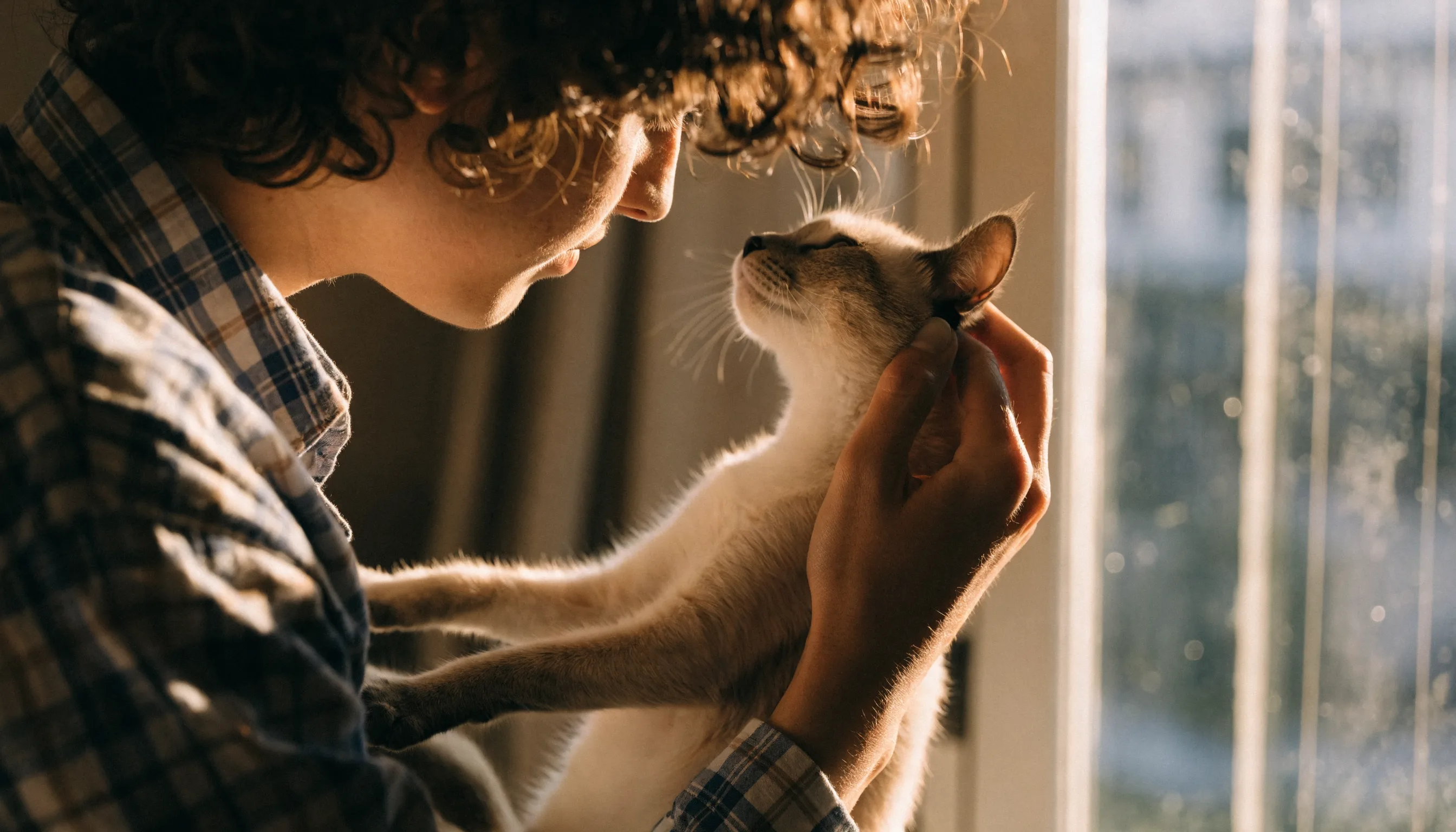
Why is my cat losing weight? Causes and when to see a vet
Because cats are so good at masking illness, a drop in weight is often the first clear sign an owner spots that something is wrong — and it matters even when the cat still seems to be eating normally. Weight loss with a hearty appetite is a specific clue, and weight loss of any kind in a cat is a reason for a vet visit and some simple tests, not a wait-and-see.
The likely causes
Two conditions stand out because they cause weight loss despite a good, even increased, appetite. An overactive thyroid (hyperthyroidism) speeds the metabolism so the cat burns through food, and diabetes stops the body using its fuel properly — both are common in middle-aged and older cats and both are very treatable once found. Kidney disease — commoner in long-haired breeds like the Persian — dental pain, inflammatory bowel disease, parasites and cancer are other causes, and some of these reduce appetite rather than raising it. In a multi-cat home, one cat quietly missing out at a shared bowl can also lose weight. The pattern — appetite up or down, thirst, coat condition — helps your vet narrow it down.
Catching it early
Weight loss is easy to overlook under a coat, so it helps to check now and then by feeling rather than looking: run your hands over your cat's ribs, spine and hips, which become easier to feel as weight comes off. A monthly weigh-in — weigh yourself holding the cat, then subtract your own weight, or use pet scales — turns a vague impression into a number, and a steady downward trend is the thing to act on. Do not simply feed more to compensate, because if the cause is an overactive thyroid or diabetes, extra food will not fix it and you will miss the window to treat the disease early.
See a vet if you notice any of these
Book a vet if your cat has lost noticeable weight, or is steadily dropping weight over weeks, whatever its appetite is doing — this always warrants tests. Go sooner if the weight loss comes with a bigger appetite and more drinking (which points to an overactive thyroid or diabetes), with vomiting or diarrhoea, with a poor or greasy coat, with low energy or hiding, or with a cat that has stopped eating (an urgent situation in itself because of the fatty-liver risk). Do not put steady weight loss down to "getting older" — old age is not a diagnosis, and the common causes are treatable when found.
Common questions
My cat is eating well but losing weight — what does that mean?
Losing weight despite a good or increased appetite is a classic sign of an overactive thyroid or diabetes, both common in older cats and both very treatable once diagnosed. It can also occur with digestive disease. This particular pattern is a clear prompt for a vet visit and blood and urine tests rather than simply feeding more.
Is weight loss in cats always serious?
Weight loss in a cat is always worth investigating, because cats hide illness and often look well until a problem is advanced. It's frequently caused by treatable conditions like thyroid disease, diabetes, kidney disease or dental pain, which do far better when caught early. Don't dismiss it as ageing — see your vet for tests.
How can I tell if my cat is losing weight?
Feel rather than just look: run your hands over the ribs, spine and hips, which grow easier to feel as a cat slims. A monthly weigh-in — weigh yourself holding the cat and subtract your own weight — turns a hunch into a trend. A steady downward trend, even a small one, is the thing to take to your vet.
Why is my old cat getting so thin?
'Just old age' isn't a diagnosis. Thinning in older cats is commonly due to an overactive thyroid, kidney disease, diabetes, dental disease or digestive problems — all things a vet can test for and manage. A prompt check-up with blood and urine tests is the right response, because treating the underlying cause can restore weight and quality of life.
Should I feed my cat more if it is losing weight?
Not as a fix. If the cause is an overactive thyroid or diabetes, extra food won't reverse the weight loss and you'll delay diagnosis of a treatable disease. Have your vet find the cause first; any change to feeding then follows their advice for that specific condition.
More in Cats
Why is my cat pooping outside the litter box? Causes and fixes
Poop on the floor has a different list of suspects than pee on the wall — urgency, pain, an unreachable tray, or (rarely) an actual message. Here's the order to check them in.
A litter box routine that actually works
Daily, weekly and monthly, plus the placement and the n+1 rule. How to keep a box a cat will keep using, and get rid of the smell without scented litter.

Autumn dangers for dogs: acorns, conkers and mushrooms
Autumn puts three scavenging hazards on the ground — acorns, conkers and wild mushrooms — plus rat bait and fermenting fruit. What's toxic, what the warning signs are, and when to call the vet.

Winter pet dangers: antifreeze, road salt and chocolate season
Antifreeze is the winter emergency — sweet, deadly and quick. Plus gritted-salt paws, the festive-food gauntlet and cats sheltering in warm car engines. What to watch and when it's urgent.
The pet danger calendar: what to watch, month by month
Most pet hazards are seasonal and many are regional. Here's the year mapped out — when heatstroke, grass seeds, processionary caterpillars, antifreeze and the rest actually peak, and which ones your area even has.

Snake bites in dogs: first aid, symptoms and prevention
A calm, fast response is what actually saves a bitten dog. What to do in the first minutes, the myths that cost time, and which snakes matter across Europe.