Cat care, behaviour & facts
Cat care, behaviour and honest field notes from BreedQuest — litter, stress, catnip, dreams and more, and never filler.
Behaviour
Open topic →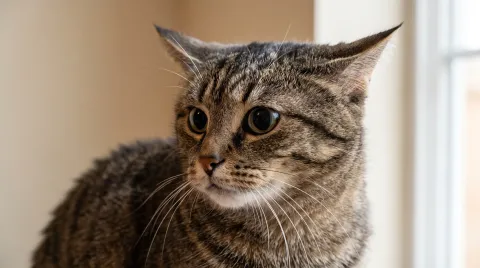
Reading cat body language: annoyed, scared, or in pain
Ears, tail, whiskers, posture — read in that order, in the moment. What each one means, which combinations mean stop, and the signs that are a vet visit rather than a mood.
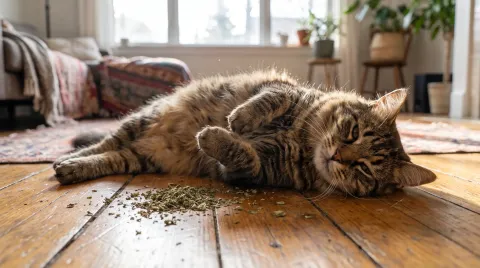
What catnip really does to a cat
The honest, myth-busting guide to catnip: what nepetalactone does, why 1 in 3 cats ignore it, and what to try instead.
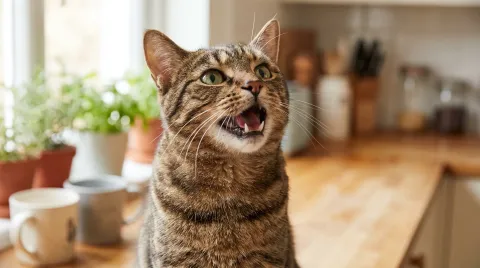
What your cat's meow actually means
Adult cats barely meow at each other. The meow is a language they built for one audience: you. Here's how to read it.
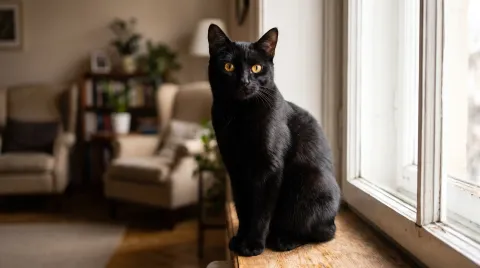
Black cats: the luckiest and unluckiest cat alive
The same black cat is a curse in one country and a blessing in the next. Here's the split, the real genetics, and why shelters can't rehome them.
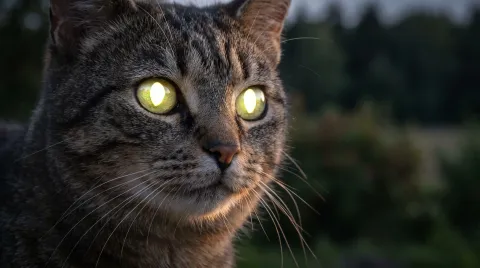
Why cats' eyes glow in the dark, and what they see
A mirror behind the retina gives cats a second shot at every photon. Here's the science of the glow, and the blurry, blue-gold world they actually see.
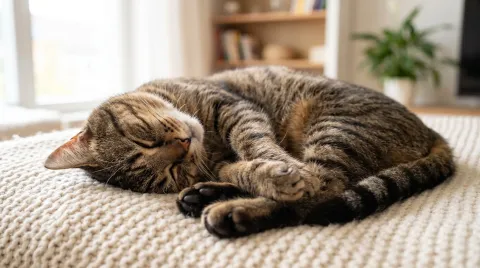
Do cats dream? What the science really shows
Cats share our sleep architecture and drop into REM, where the twitching happens. Here's the evidence, what they likely dream about, and when to worry.
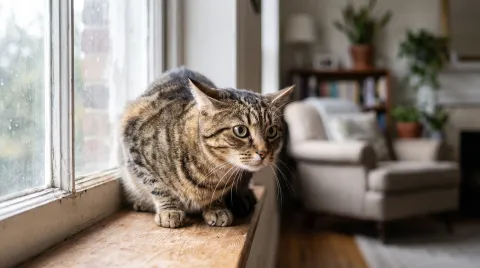
Cat stress signs owners miss
Cats hide stress by instinct, so the signals are quiet. Here are the subtle signs owners overlook, the triggers behind them, and when to call the vet.

Cartoon cat breeds: what Garfield, Tom and Hello Kitty really are
Garfield is an orange tabby, Tom is a domestic shorthair and Hello Kitty has a Sanrio canon. The honest guide to famous cartoon cats.
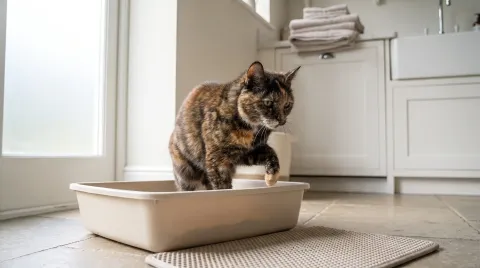
Old cat peeing outside the litter box: why and what to do
It's never spite. Arthritis, kidney disease, infection or confusion explain almost every miss. Here's the vet-first plan that stops the accidents.
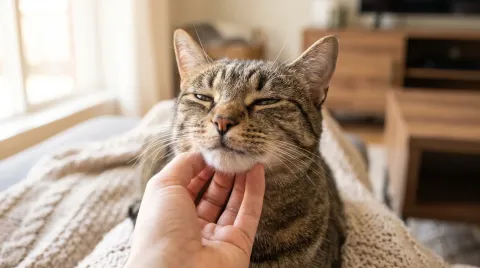
Why do cats purr? It's not always happiness
Purring is a self-soother, a request and sometimes a sign something's wrong — not just contentment. How cats make the sound, and what a purr at the vet really means.
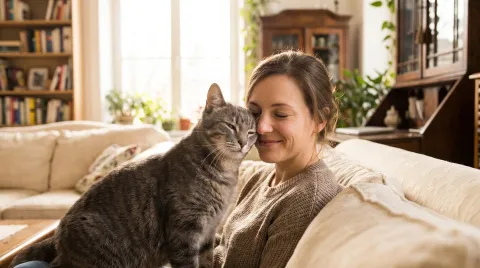
Do cats love their owners? The kidnap experiment says yes
Science ran the same attachment test on cats that it runs on human infants, and 64% passed. What the secure-base test found, why one earlier study disagreed, and how a cat actually says it.

Do cats miss their owners? They even track the clock
Cats greet you harder after four hours away than after thirty minutes — they know how long you were gone. What missing looks like in a cat, when it tips into separation anxiety, and how to leave well.

How cats choose their favourite person
It isn't whoever fills the bowl. The Swiss living-room study found one habit that predicts a cat's favourite better than food ever did — and the person who ignores cats has it by accident.
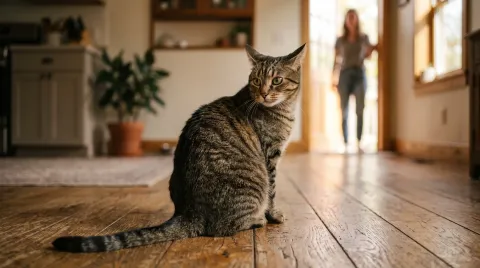
Cats know their names. They've decided not to answer
A Tokyo lab proved cats pick their own name out of a string of similar words — even from a stranger's mouth. What cats actually understand of what you say, and why the response is optional.
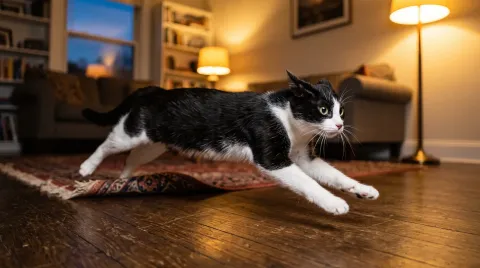
Zoomies: why your cat sprints through the house at 3am
The wall-of-death lap around the living room has a name, a mechanism, and a fix for the 3am edition. Why a predator that sleeps sixteen hours a day sometimes has to spend the surplus all at once.
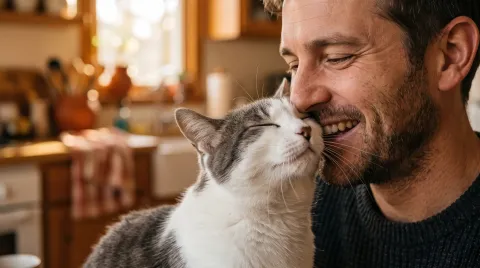
Headbutts and ankle rubs: what your cat marks you with
The forehead slam is called bunting, it comes with a chemical payload, and it's one of the biggest compliments a cat pays. What the glands are doing, what the group scent means, and when a rub is really an invoice.
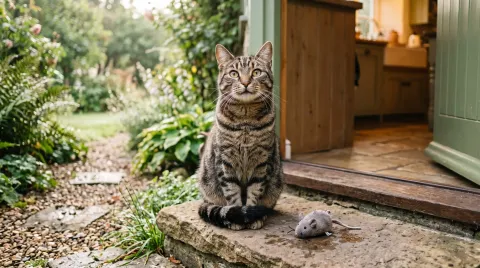
Why cats bring you dead animals
The mouse on the doormat is not a gift in any human sense, and the two leading theories disagree about what it is. What the delivery means, how to respond, and the honest arithmetic of what outdoor cats do to gardens.
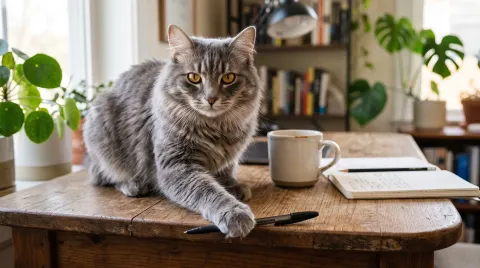
Why cats knock things off tables
The slow push, the held eye contact, the pen hitting the floor. Three real reasons behind the most theatrical move in cat ownership — and the honest one is that it reliably summons you.
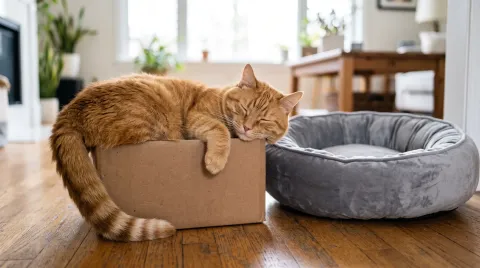
If it fits: why cats sit in boxes
The cardboard box beats the forty-euro cat bed every time, and science has actually looked into why. Pressure, warmth, ambush logic — and the study where cats sat in squares that weren't even there.
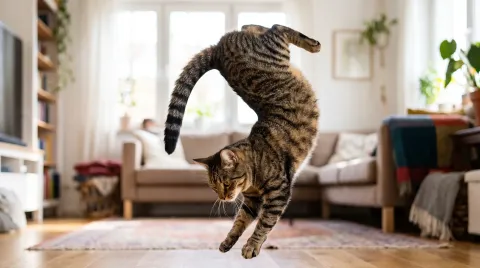
How cats land on their feet — and when they don't
The righting reflex is a mid-air physics routine that runs in a third of a second, works without a tail, and is installed by week seven. It also has limits, and the ones that matter involve your windows.
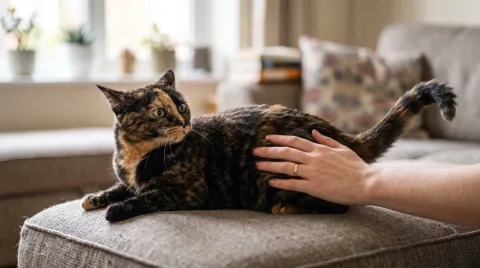
Why your cat bites you mid-stroke
Purring one second, teeth the next — petting-induced aggression is the most misread move in cat ownership. The warnings arrive earlier than you think, and the fix is counting, not forgiveness.
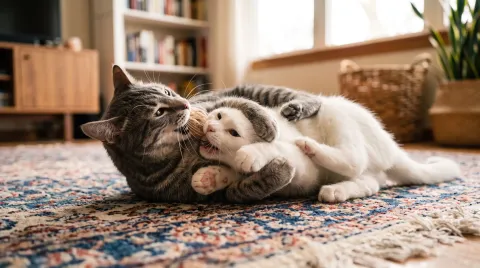
Are my cats playing or fighting? The five reads
Wrestling, neck bites, bunny kicks and thundering chases — most of it is play, some of it isn't, and the difference is visible in five places. What to check, when to step in, and how to step in without getting shredded.
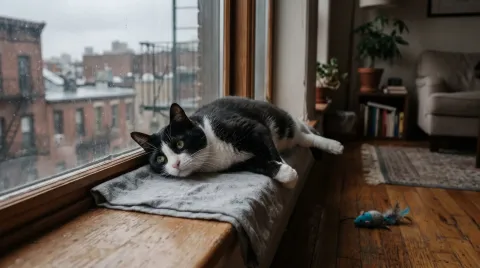
Is my cat bored? What an indoor cat actually needs
A bored cat rarely looks bored — it looks lazy, greedy, clingy or destructive. The signs, the difference between boredom and depression, and an enrichment plan that costs almost nothing and sells nothing.
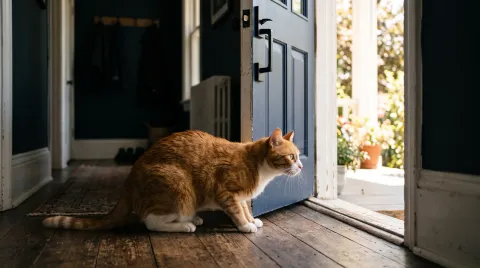
The door-dasher: why your indoor cat plots escape
The crouch by the door, the sprint through your legs, the yowling at the window — an indoor cat that wants out isn't ungrateful. What the pull actually is, whether to give in, and the middle grounds that work.
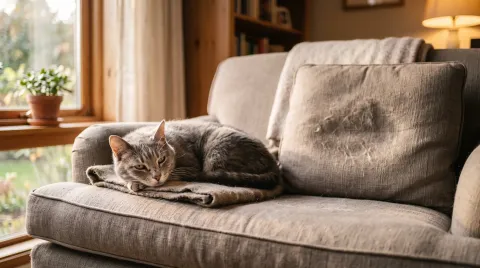
Do cats grieve? What loss looks like in a cat
When a companion animal or a person disappears from a cat's world, something real changes in the cat. What the research actually found, how feline grief shows, and what helps — including the question of the goodbye.

Are cats smarter than dogs? What we can actually measure
Dogs have twice the neurons; cats fail experiments by refusing them. The oldest argument in pet ownership, settled as far as science can settle it — which is less far, and more interesting, than either side hopes.
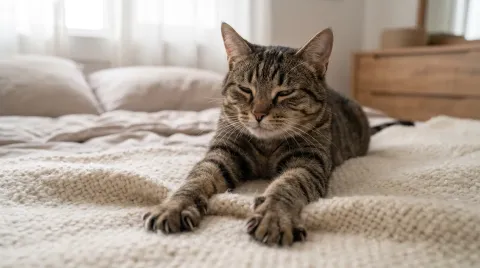
Why do cats knead? The biscuit-making instinct
Making biscuits is a leftover from kittenhood, a way of laying down scent and a sign your cat feels safe. What the pushing paws mean, why some cats drool, and what to do about claws.
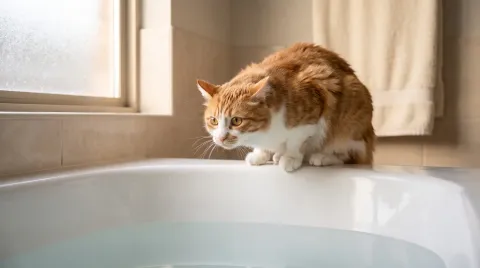
Why do cats hate water? Most do — here's why
It's evolution, a coat that waterlogs and a need for control — not fear of getting clean. Why most cats dodge a bath, the breeds that swim, and why the same cat loves a dripping tap.
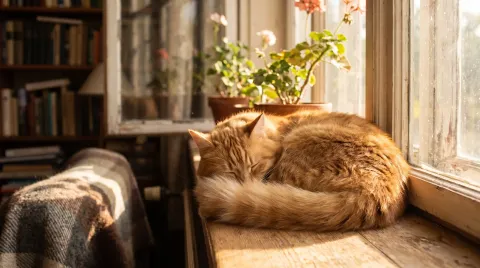
Why do cats sleep 16 hours a day?
Cats sleep 12–16 hours because hunting is expensive and they're built to conserve energy between bursts. What a 'cat nap' really is, why they wake at dawn, and when sleep is a red flag.
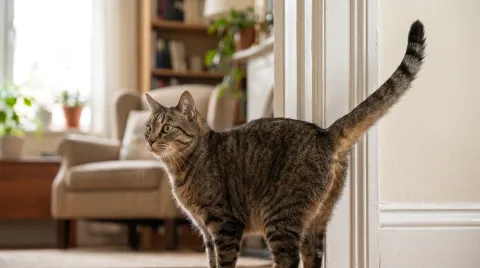
Why is my cat spraying? What it means and how to stop it
Spraying isn't a litter-box failure — it's a message about territory, written in urine. How to tell it from peeing, what's behind it, and the fixes that hold.
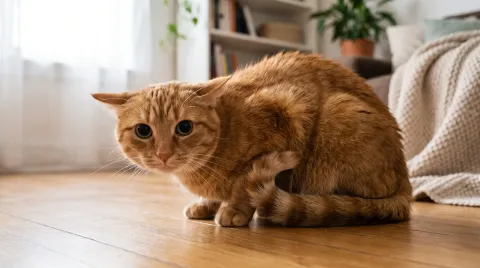
Why is my cat aggressive? Causes and how to calm it
Cat aggression isn't a personality — it's a diagnosis with about six usual suspects, and each one has a different fix. Work through them in order and the biting usually explains itself.
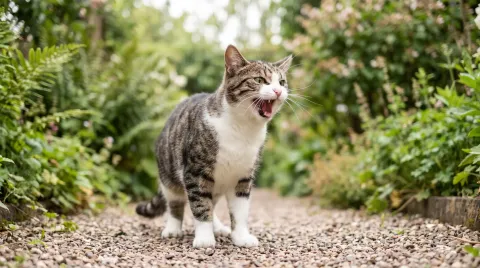
Why do cats hiss? What it means and what to do
A hiss is not an attack — it's the thing a cat does to avoid one. What the sound actually is, what triggers it, and why the polite answer is always to back off.
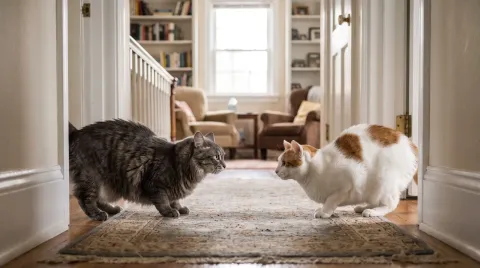
Why are my cats fighting? How to restore the peace
Two cats that shared a bed for years can turn into enemies in an afternoon. What breaks a feline relationship, why 'letting them fight it out' entrenches the war, and the reset that works.
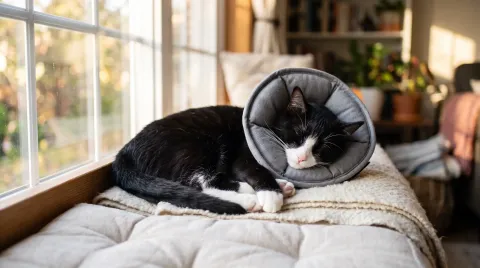
How neutering changes cat behavior — and what it won't fix
Neutering deletes the hormone-driven behaviours — the roaming, the spraying, the 3am opera — and touches almost nothing else. What changes, what doesn't, and when.
Health & care
Open topic →
Hydration for dogs and cats: why it matters, and why cats barely drink
Cats are built to run a little dry, and it quietly damages their kidneys and bladder. How much water dogs and cats really need, and how to get more into a reluctant drinker.
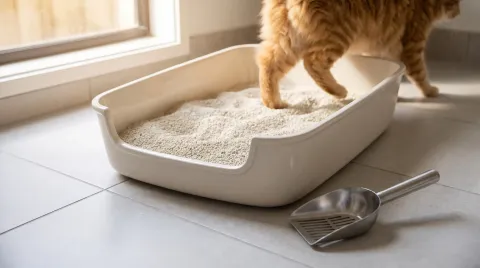
A litter box routine that actually works
Daily, weekly and monthly, plus the placement and the n+1 rule. How to keep a box a cat will keep using, and get rid of the smell without scented litter.

Can you take your cat to the beach? An honest guide
Most cats should skip the beach, and a few can go safely. The honest, vet-checkable guide to heat, sun, saltwater, harnesses and who stays home.

Foxtails: the summer grass seed that burrows into pets
Foxtail grass seeds catch in fur and travel one way—inward. Here's how to spot them on a cat or dog, and stop them.
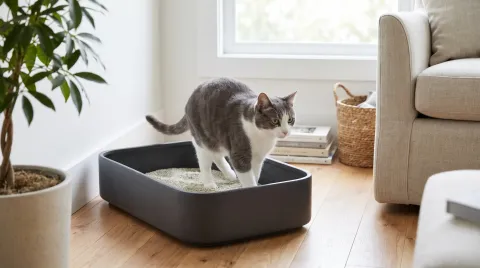
Cat litter, honestly: type, depth, and how often
The three litter types compared without the spin, plus how deep to fill, how often to scoop, and how many boxes a cat really needs.

Cat on holiday or leave it home? An honest guide
For most cats the kind answer is to stay put. Here is how to choose between a sitter, a cattery, and packing the carrier.
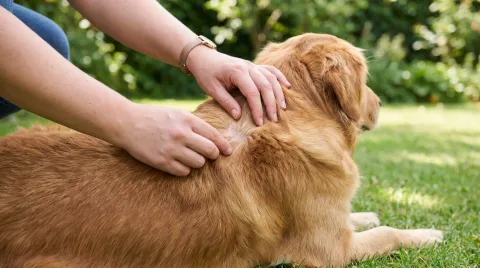
Fleas, ticks and worms: the parasite basics
The parasites every cat and dog owner meets, what they actually do, and why prevention beats treatment every time.

Processionary caterpillars: an emergency for dogs
The caterpillar that can cost a dog part of its tongue, why the first six hours decide the outcome, and how to stay clear of it in season.

Sandflies and leishmaniasis: what protects a dog
The insect you never hear, the disease it carries, and the reason your flea and tick product is probably not covering it.
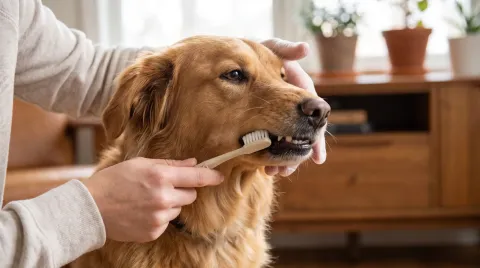
Pet dental care: the health problem owners miss
The most common health problem in adult pets is also the most missed. Here's what dental disease really looks like, and how to actually prevent it.
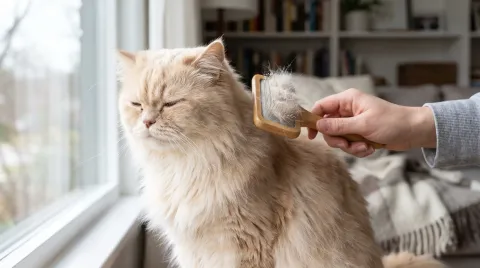
Cat hairballs: what's normal and when to worry
An occasional hairball is a nuisance, not an illness. Here's how to tell a normal one from the pattern that means a vet trip.
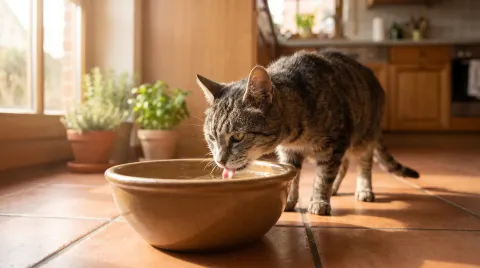
Kidney disease in cats: the early signs to watch
Spot chronic kidney disease early and your old cat can live comfortable years. Here are the signs you can see and why senior blood tests matter.
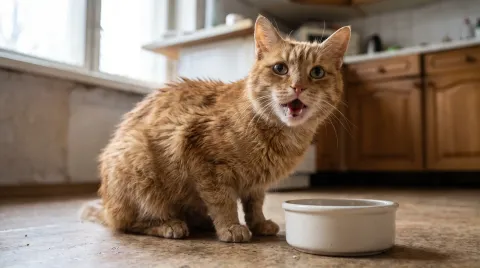
Hyperthyroidism in cats: the hungry cat losing weight
Ravenous appetite with steady weight loss is the classic sign of an overactive thyroid in older cats. How vets confirm it, and why the outlook is good.
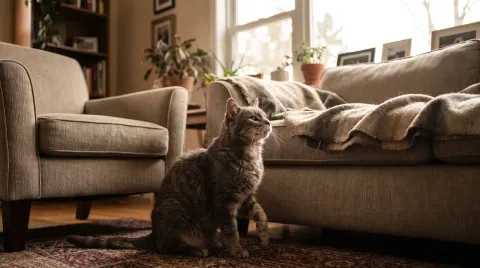
Arthritis in cats: the hidden signs and how to help
Most cats over 12 have arthritis, yet few are ever treated because cats hide pain. Learn the real signs, the vet options and the home fixes that work.

Autumn dangers for dogs: acorns, conkers and mushrooms
Autumn puts three scavenging hazards on the ground — acorns, conkers and wild mushrooms — plus rat bait and fermenting fruit. What's toxic, what the warning signs are, and when to call the vet.

Winter pet dangers: antifreeze, road salt and chocolate season
Antifreeze is the winter emergency — sweet, deadly and quick. Plus gritted-salt paws, the festive-food gauntlet and cats sheltering in warm car engines. What to watch and when it's urgent.

The pet danger calendar: what to watch, month by month
Most pet hazards are seasonal and many are regional. Here's the year mapped out — when heatstroke, grass seeds, processionary caterpillars, antifreeze and the rest actually peak, and which ones your area even has.

Snake bites in dogs: first aid, symptoms and prevention
A calm, fast response is what actually saves a bitten dog. What to do in the first minutes, the myths that cost time, and which snakes matter across Europe.
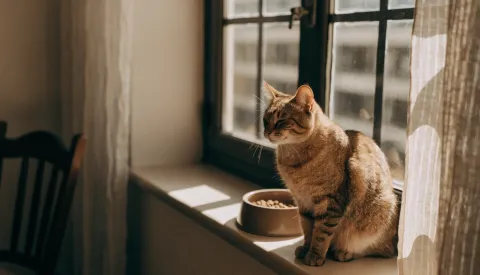
Why is my cat not eating? Causes and when to see a vet
A cat going off its food is a bigger deal than a dog doing the same — here is why, the common causes, and the point where not eating becomes an emergency.
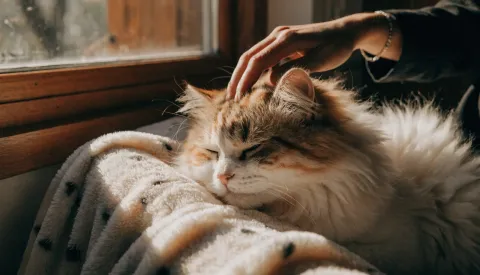
Why is my cat sneezing? Causes and when to see a vet
An occasional sneeze is normal; frequent sneezing with a runny nose or eyes usually means cat flu or an irritant. When to manage it at home and when to see a vet.
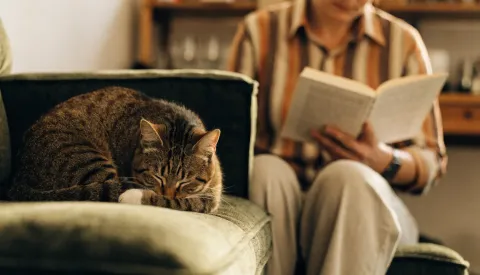
Why is my cat vomiting? Causes and when to see a vet
Occasional vomiting is common in cats, but frequent vomiting is not normal. The usual causes, safe home care, and the red flags — including lilies and string.
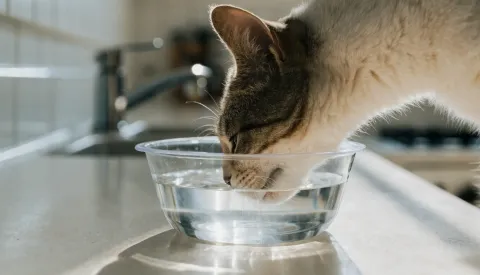
Why is my cat drinking a lot? Causes and when to see a vet
A cat suddenly drinking much more is one of the most useful early warning signs there is. The three big causes, why it always deserves a vet, and what to watch.
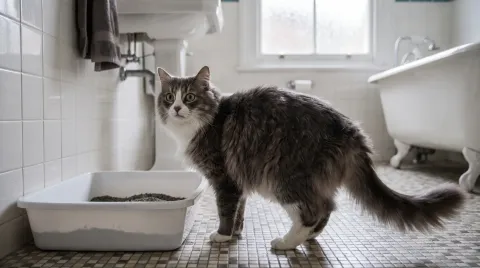
Why is my cat pooping outside the litter box? Causes and fixes
Poop on the floor has a different list of suspects than pee on the wall — urgency, pain, an unreachable tray, or (rarely) an actual message. Here's the order to check them in.
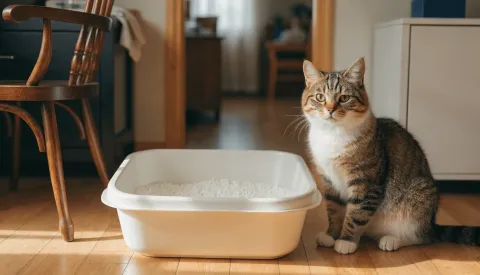
Why is my cat peeing outside the litter box? Causes and when to see a vet
It can be a litter-tray dislike or stress — but it can also be a urinary problem, and in male cats a blockage that kills within hours. How to tell, and what to do.
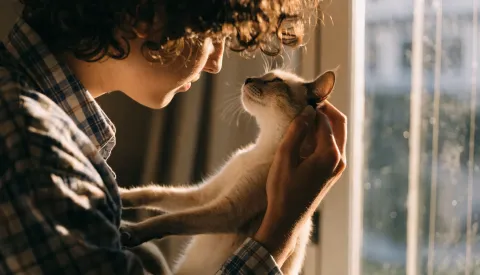
Why is my cat losing weight? Causes and when to see a vet
Cats hide illness, so weight loss is often the first thing you notice — even in a cat that is still eating well. The common causes and why it always needs a vet.
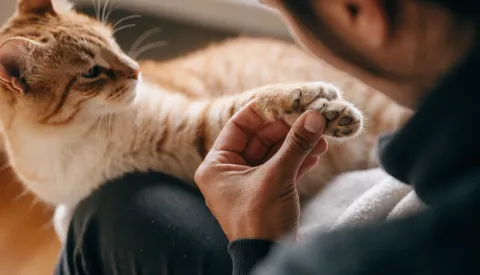
Why is my cat limping? Causes and when to see a vet
A cat bite abscess, a sprain, arthritis or a fall — the common reasons cats go lame, why you must never give cats human painkillers, and the emergencies to know.
Nutrition
Open topic →
Organic, natural, holistic: which pet food claims are real
Only one of these words is backed by law. Here's what organic, natural, holistic, premium and gourmet actually guarantee on a bag of dog or cat food.

Single-protein and limited-ingredient dog food: when it helps
Limited-ingredient and single-protein diets have one real job — investigating food allergies with your vet. Here's when they help and when it's just marketing.

'Complete and balanced': the only pet food claim that matters
One small line on the bag decides whether a food can actually feed your pet. Here's how to find the AAFCO/FEDIAF adequacy statement and read it properly.
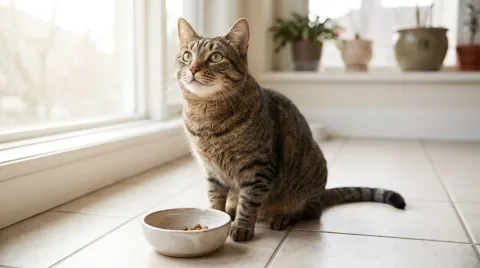
Feeding a neutered cat without the weight gain
Neutering drops a cat's calorie needs by up to a third while its appetite climbs. Here's how to feed the same cat and keep it lean.
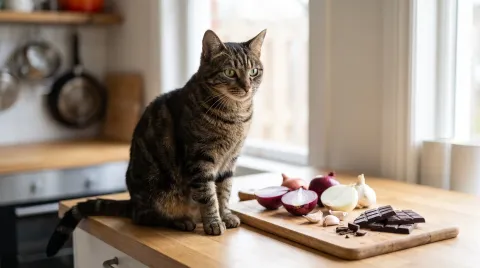
Foods that are toxic to cats: the honest list
The real dangers in your kitchen, from onion powder hiding in baby food to why an all-tuna diet backfires, and what to do if your cat gets into something.
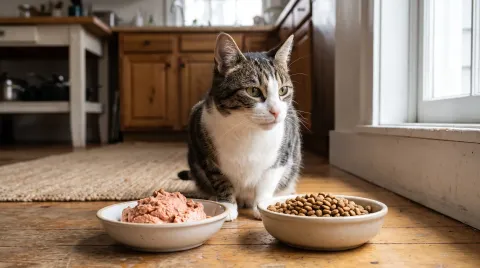
Wet vs dry cat food: what actually matters
Moisture, cost, convenience, and two stubborn myths, sorted by a simple rule that beats every marketing claim on the bag.

How to read a pet food label
The one line that matters most, why the first ingredient lies, and how to spot marketing words that mean nothing.

Treats without the weight gain: the 10% rule
The vet rule that stops treats making your cat or dog fat, and how to run the numbers in about a minute.
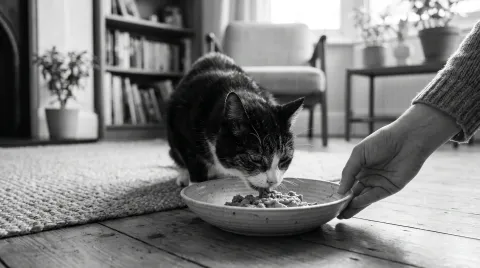
Feeding a senior cat: what actually changes after 11
Senior cats need more protein, not less. What changes after 11: weight direction, appetite red flags, dental pain, and how to help a picky old eater.
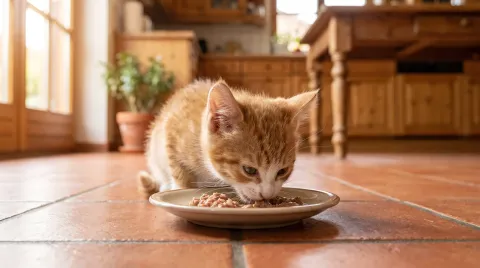
How much to feed a kitten, and how often
Kittens burn energy fast and need feeding little and often. How much a growing kitten really needs, why it must be kitten food, and the milk mistake to avoid.
Training
Open topic →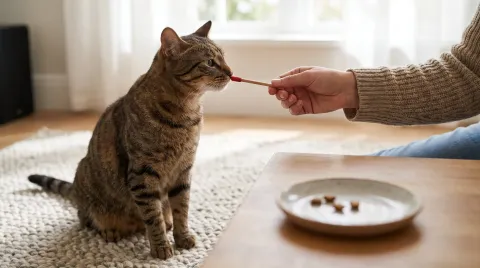
Teaching your cat tricks: the first five
Target, sit, high five, spin and a reliable recall — in the order that actually works, five minutes at a time. Cats train beautifully; they just do not work for praise.

How to help a cat that is terrified of fireworks
A safe room for the night itself, and a graded sound protocol to run in the months before it. What actually works, and what makes a frightened cat worse.
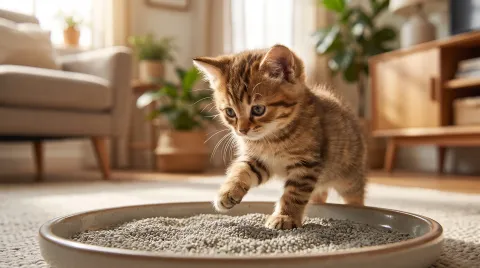
How to litter train a kitten (and fix accidents)
Kittens come pre-wired to use a tray. Set the box up right, let instinct do the work, and know what to check the day it goes wrong.
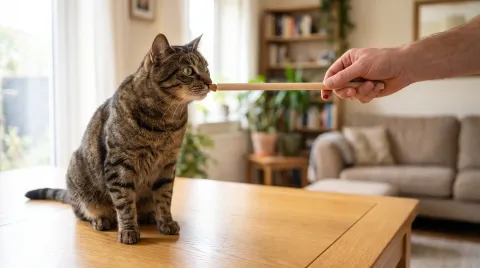
Clicker training a cat: the honest beginner's guide
Cats are far more trainable than their reputation suggests. With a clicker, tiny treats, and short sessions, almost any cat will learn.
How to train a cat to walk on a harness
Some cats take to a harness and some never will — and forcing it backfires. How to introduce one properly, the gear that matters, and the honest limits.

How to stop a cat scratching the furniture
Scratching is a normal, necessary cat behaviour, not misbehaviour, so the fix is redirection rather than punishment. The setup that actually gets a cat choosing the post over the sofa.
New pet
Open topic →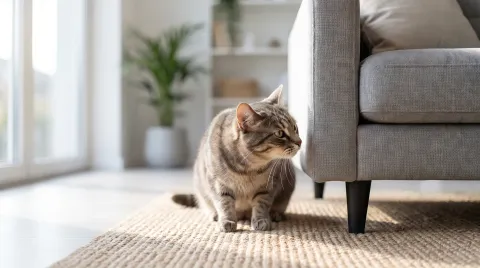
The new-cat checklist: what to set up first
The five essentials, one safe room and a cat-proofed home to set up before adoption day, so your new cat has somewhere calm to land from hour one.
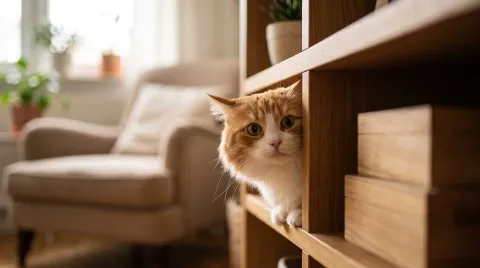
Helping a shy rescue cat settle in
A shy rescue cat hiding for days is normal, not rejection. One quiet room, a hiding spot and patience settle almost any scared cat. Here is how.

Adopting a senior dog or cat
What to expect when you adopt an older dog or cat: the calm, the fast bond, the vet planning, and the honest trade-off of less time.
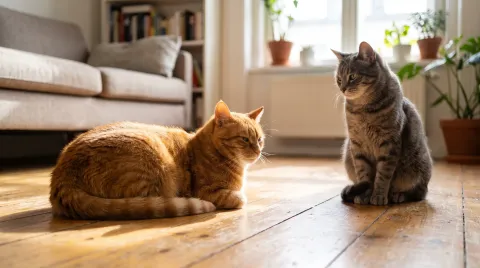
How to introduce a new cat to your resident cat
The scent-swap protocol that actually works, step by step — with realistic timelines and the signs that mean you moved too fast.
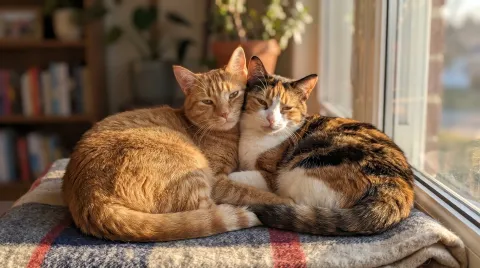
Adopting a bonded pair of cats
A bonded pair of cats is often easier than a single cat. Here's why two settle faster, keep each other company, and rarely mean double the work.

How to adopt a dog or cat from a shelter
A calm, step-by-step guide to adopting a dog or cat from a shelter or rescue, from where to search to the screening, the fee and the first days home.
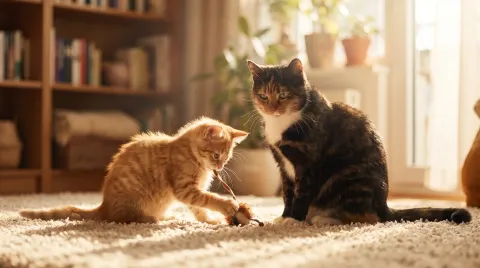
Kitten or adult cat? How to choose
A kitten is a lot of fun and a lot of work; an adult cat slots into a busy life. Here's how to pick the age that fits yours.
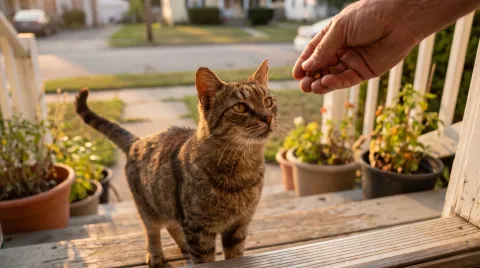
You found a stray cat: what to actually do
A friendly cat on your doorstep may already have a home. Here is the honest, welfare-first order of steps before you take it in.
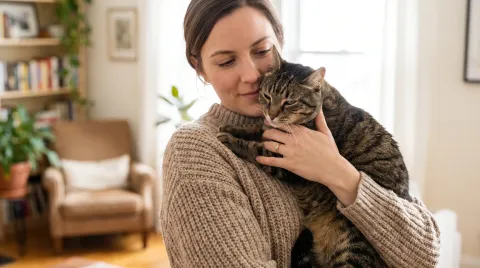
Most affectionate cat breeds and the aloof-cat myth
The science says most cats bond as securely as dogs. Here are the breeds that reliably seek your lap, and why aloofness is rarely about the cat.
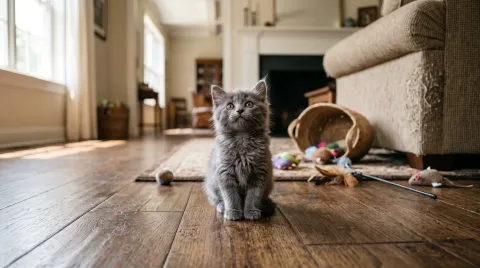
Single kitten syndrome: real, overstated, or both?
Rescues warn that a lone kitten becomes a biting, yowling tyrant, and some won't rehome singles at all. The evidence is thinner than the warnings — but the thing underneath the branding is real. An honest sort-out.
Life stage
Open topic →
Bringing a kitten home: your first-week plan
One safe room, no chasing, and a vet booking. The calm way to settle a kitten in its first week without overwhelming it.
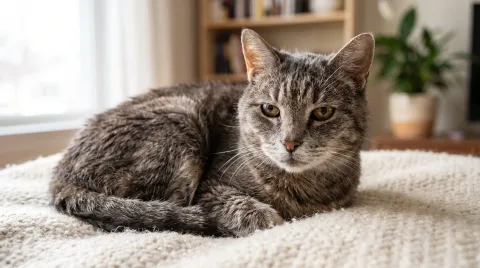
Senior cat care: what changes after 11
After 11 the job shifts from fixing problems to catching them early. The vet schedule, the weight rules and the home all change.
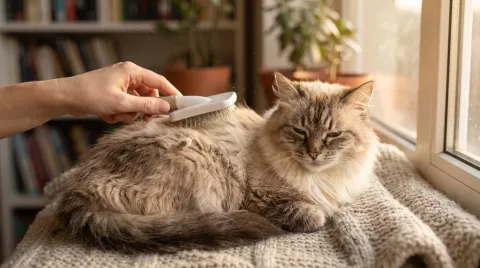
Senior cat grooming: mats, claws, teeth and weekly care
Old cats stop grooming when it hurts. How to clear mats safely, trim thick claws and care for teeth, plus a weekly check that spots trouble early.
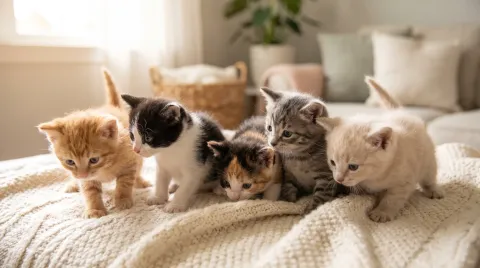
Kitten development: a month-by-month guide
From a blind newborn to a near-adult cat in a year. The stages that matter, the socialisation window you can't get back, and why a kitten shouldn't leave its mother before eight weeks.
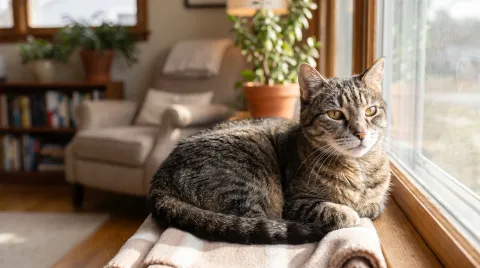
When is a cat a senior? Cat life stages, explained
A cat is an adult at one and a senior at eleven — but eleven isn't old. The real feline life stages, what each one means, and why 11 is barely retirement age.
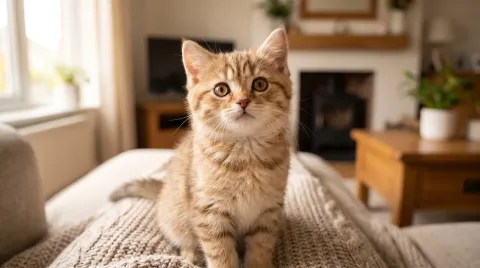
Your kitten's first year: the full timeline
From 8 weeks to 12 months, stage by stage — settling in, vaccinations, the socialization window, teething, neutering and the switch to adult food.
Breeds & origins
Open topic →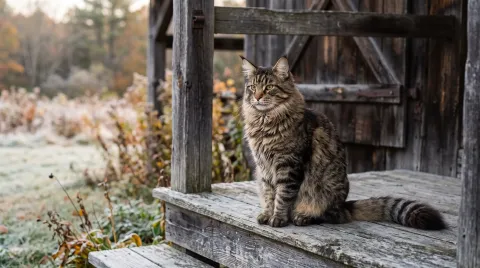
Evolution
Open topic →
How cats domesticated themselves
No one set out to tame the cat. It walked into the grain stores of the first farmers about 10,000 years ago and stayed — barely changed from the wildcat it still is.

What selective breeding actually does to an animal
Choosing which animals have babies is the most powerful force in a pet’s biology. A Soviet fox experiment shows how fast it works — and how much it costs.

How we know: reading the ancient DNA of dogs and cats
The story of pet origins was rewritten in the last fifteen years — not by new bones, but by pulling readable DNA out of old ones. Here is how that actually works.
Why cats can’t taste sweetness — and dogs can
A cat is deaf to sugar because a single taste gene broke long ago. That one fact opens up the whole biology of the obligate carnivore in your kitchen.
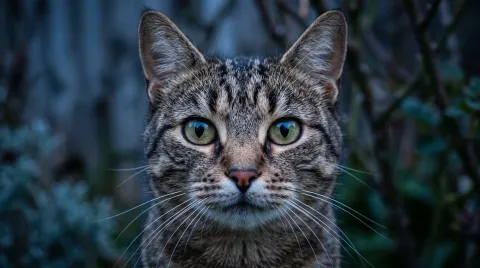
What the world looks like to a cat
Blurry up close, washed-out in colour, six times brighter at night — and smelling like a newspaper you can't read. A tour of your home through your cat's senses, and what it changes about how you run it.
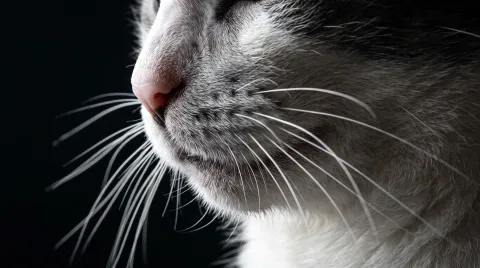
Whiskers: the instrument panel on your cat's face
Air-current radar, gap gauge, mood indicator and night-hunting sight — whiskers do jobs eyes can't. How the instruments work, what whisker positions tell you, and the honest verdict on whisker fatigue.