Cat health & safety
Vet-checkable guides to keeping cats and dogs well — litter, parasites, hidden hazards, travel and the warning signs worth knowing.
Articles
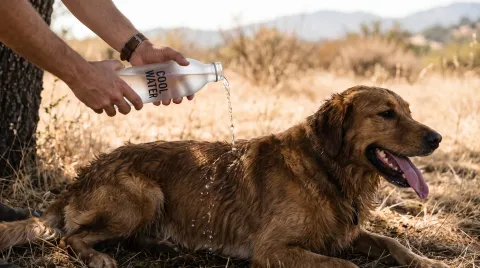
Hydration for dogs and cats: why it matters, and why cats barely drink
Cats are built to run a little dry, and it quietly damages their kidneys and bladder. How much water dogs and cats really need, and how to get more into a reluctant drinker.

A litter box routine that actually works
Daily, weekly and monthly, plus the placement and the n+1 rule. How to keep a box a cat will keep using, and get rid of the smell without scented litter.

Can you take your cat to the beach? An honest guide
Most cats should skip the beach, and a few can go safely. The honest, vet-checkable guide to heat, sun, saltwater, harnesses and who stays home.

Foxtails: the summer grass seed that burrows into pets
Foxtail grass seeds catch in fur and travel one way—inward. Here's how to spot them on a cat or dog, and stop them.
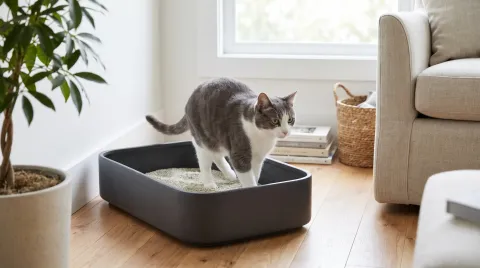
Cat litter, honestly: type, depth, and how often
The three litter types compared without the spin, plus how deep to fill, how often to scoop, and how many boxes a cat really needs.

Cat on holiday or leave it home? An honest guide
For most cats the kind answer is to stay put. Here is how to choose between a sitter, a cattery, and packing the carrier.

Fleas, ticks and worms: the parasite basics
The parasites every cat and dog owner meets, what they actually do, and why prevention beats treatment every time.

Processionary caterpillars: an emergency for dogs
The caterpillar that can cost a dog part of its tongue, why the first six hours decide the outcome, and how to stay clear of it in season.

Sandflies and leishmaniasis: what protects a dog
The insect you never hear, the disease it carries, and the reason your flea and tick product is probably not covering it.
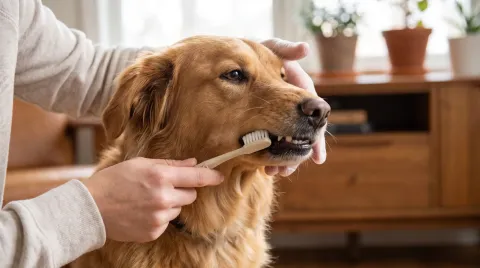
Pet dental care: the health problem owners miss
The most common health problem in adult pets is also the most missed. Here's what dental disease really looks like, and how to actually prevent it.

Cat hairballs: what's normal and when to worry
An occasional hairball is a nuisance, not an illness. Here's how to tell a normal one from the pattern that means a vet trip.
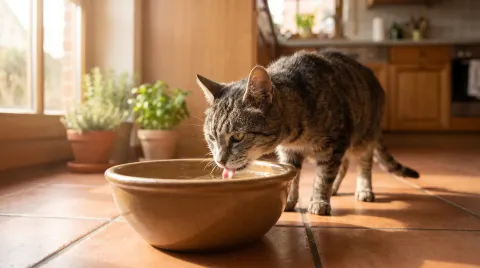
Kidney disease in cats: the early signs to watch
Spot chronic kidney disease early and your old cat can live comfortable years. Here are the signs you can see and why senior blood tests matter.
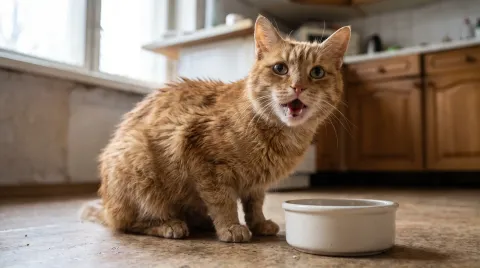
Hyperthyroidism in cats: the hungry cat losing weight
Ravenous appetite with steady weight loss is the classic sign of an overactive thyroid in older cats. How vets confirm it, and why the outlook is good.
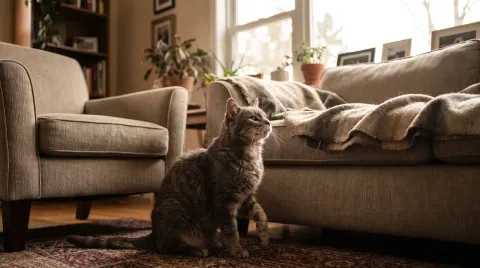
Arthritis in cats: the hidden signs and how to help
Most cats over 12 have arthritis, yet few are ever treated because cats hide pain. Learn the real signs, the vet options and the home fixes that work.

Autumn dangers for dogs: acorns, conkers and mushrooms
Autumn puts three scavenging hazards on the ground — acorns, conkers and wild mushrooms — plus rat bait and fermenting fruit. What's toxic, what the warning signs are, and when to call the vet.

Winter pet dangers: antifreeze, road salt and chocolate season
Antifreeze is the winter emergency — sweet, deadly and quick. Plus gritted-salt paws, the festive-food gauntlet and cats sheltering in warm car engines. What to watch and when it's urgent.

The pet danger calendar: what to watch, month by month
Most pet hazards are seasonal and many are regional. Here's the year mapped out — when heatstroke, grass seeds, processionary caterpillars, antifreeze and the rest actually peak, and which ones your area even has.

Snake bites in dogs: first aid, symptoms and prevention
A calm, fast response is what actually saves a bitten dog. What to do in the first minutes, the myths that cost time, and which snakes matter across Europe.

Why is my cat not eating? Causes and when to see a vet
A cat going off its food is a bigger deal than a dog doing the same — here is why, the common causes, and the point where not eating becomes an emergency.

Why is my cat sneezing? Causes and when to see a vet
An occasional sneeze is normal; frequent sneezing with a runny nose or eyes usually means cat flu or an irritant. When to manage it at home and when to see a vet.

Why is my cat vomiting? Causes and when to see a vet
Occasional vomiting is common in cats, but frequent vomiting is not normal. The usual causes, safe home care, and the red flags — including lilies and string.
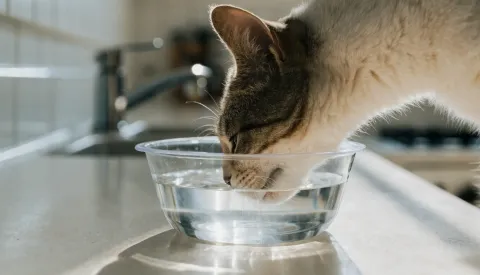
Why is my cat drinking a lot? Causes and when to see a vet
A cat suddenly drinking much more is one of the most useful early warning signs there is. The three big causes, why it always deserves a vet, and what to watch.
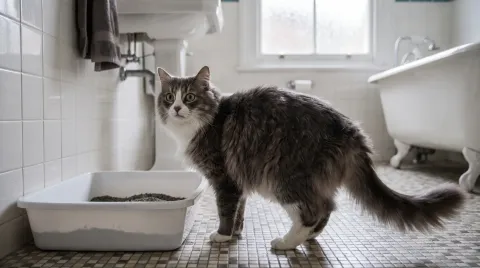
Why is my cat pooping outside the litter box? Causes and fixes
Poop on the floor has a different list of suspects than pee on the wall — urgency, pain, an unreachable tray, or (rarely) an actual message. Here's the order to check them in.
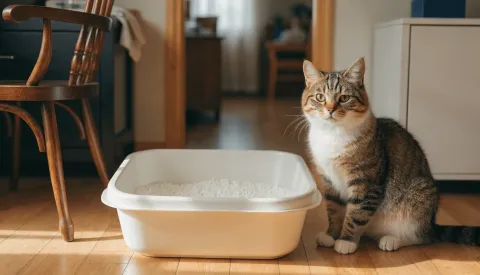
Why is my cat peeing outside the litter box? Causes and when to see a vet
It can be a litter-tray dislike or stress — but it can also be a urinary problem, and in male cats a blockage that kills within hours. How to tell, and what to do.

Why is my cat losing weight? Causes and when to see a vet
Cats hide illness, so weight loss is often the first thing you notice — even in a cat that is still eating well. The common causes and why it always needs a vet.
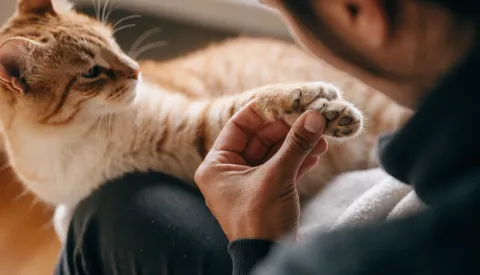
Why is my cat limping? Causes and when to see a vet
A cat bite abscess, a sprain, arthritis or a fall — the common reasons cats go lame, why you must never give cats human painkillers, and the emergencies to know.