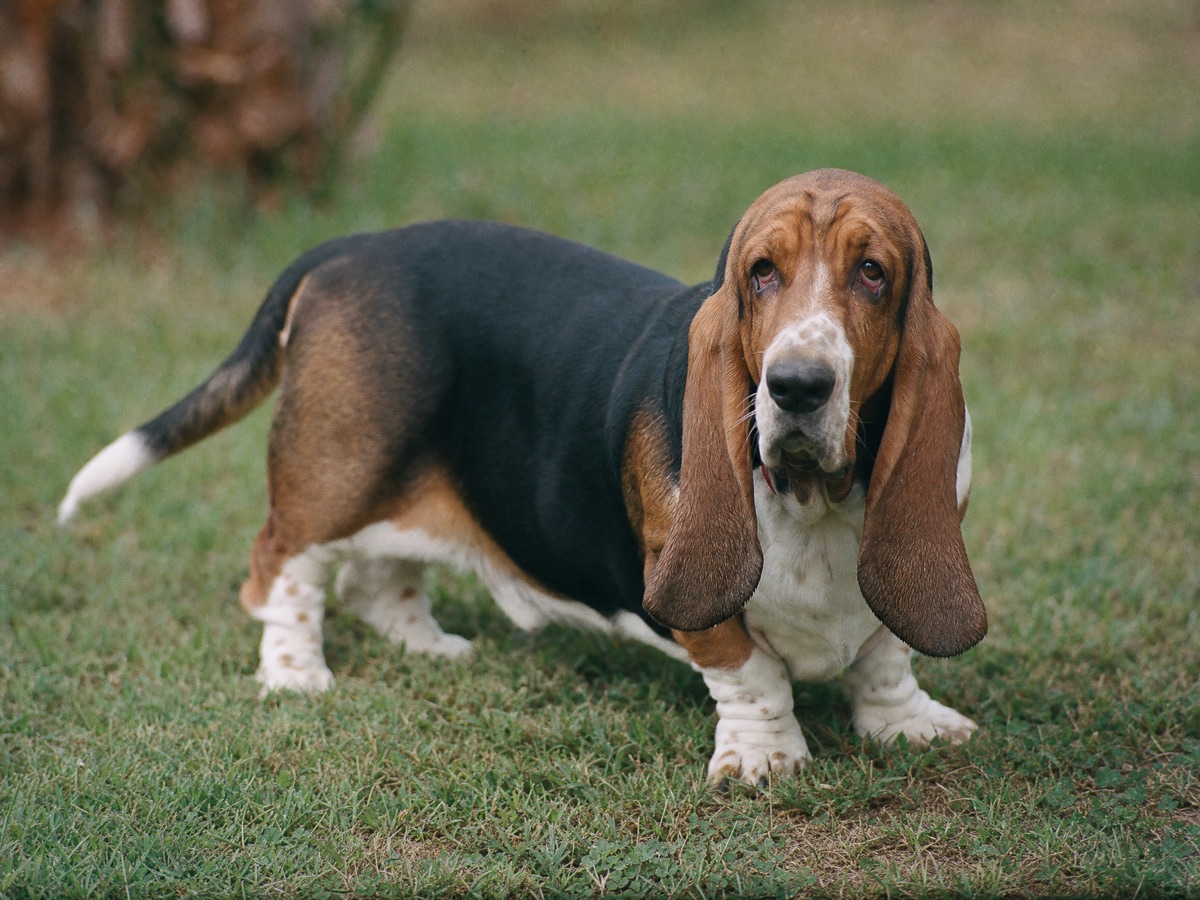
Basset Hound
A giant nose on short legs — the mellow, mournful-eyed tracker.
Vital stats
| Size | Small-medium · 33–38 cm |
| Weight | 20–29 kg |
| Life expectancy | 12–13 years |
| Energy | Low-moderate — 30–60 min/day |
| Shedding | Moderate, year-round |
| Coat | Short, smooth · tricolour, lemon & white |
| Group | Hound · FCI №163 / AKC |
| Origin | France |
| FCI group | 6 — Scent hounds and related breeds · FCI 163 |
Breed traits
Friendliness
Care
Mind
The Basset Hound by the numbers
The Basset Hound facts owners search for most — price, lifespan, weight, shedding and colours, in one place.
Widely bred, so you can usually find a litter from a registered breeder without a long wait. Plan for steady ongoing costs — mid-range food, routine vet care and insurance.
We don't quote a single figure: the real price swings with breeder, region, bloodline and health testing — and a rescue costs a fraction of a breeder's litter. Adopting is almost always the cheapest route.
Temperament
French hunters wanted a hound slow enough to follow on foot, and the Basset delivers: methodical, tenacious and utterly absorbed once a trail opens. At home that translates to a calm, companionable pack animal — tolerant with children, sociable with dogs, and immovably stubborn whenever its nose outvotes your instructions.
Habits & quirks
Ground-floor reading
Every walk is a newspaper — expect long, dedicated pauses over invisible headlines.
The velvet ear drag
Those trailing ears stir scent up towards the nose, and collect a little of everything else.
Selective hearing
Recall works beautifully right up until a scent trail opens; then you no longer exist.
Full-volume opinions
Left alone or on a trail, the Basset bays — a deep, carrying song the whole street shares.
Health
The Basset's long back and short, heavy-boned legs are the shape to protect. Extra weight strains that spine and the front joints, so keeping the dog lean matters here more than almost anywhere. The long ears and the facial folds trap moisture and get little airflow, which makes both prone to infection — clean them weekly and see a vet quickly for ear odour, head-shaking or a sore back. Buy from a breeder who breeds for a sound, moderate dog rather than an extreme one.
Nutrition
| Feeding | Keep it lean without mercy — extra weight punishes the long spine and short joints. |
| Grooming | Clean the long ears and facial folds weekly; poor airflow makes both infection-prone. |
| Exercise | Steady daily walks on the lead — jumping and stairs deserve caution, especially in puppies. |
| Health | Watch the back and elbows, and see a vet promptly for ear odour or head-shaking. |
Keep a Basset lean without apology: this is a dog built low and long, and every extra kilo lands on the spine and the short front joints. It loves food and will convince you it is starving; measure the meals, count treats into the day's total, and keep ribs you can feel. A lean Basset moves better and hurts less for its whole life.
Puppy guide
A Basset puppy is heavy for its little legs, and its joints and long back need protecting while it grows. Go easy on stairs and jumping — lift it down from the sofa rather than letting it leap — and keep walks short and steady. Start the ear-cleaning routine early so the dog learns to sit for it, and teach recall young, before the nose takes over. Patience suits this stubborn, good-natured breed far better than any firm hand.
Training
Bassets are calm, friendly and famously stubborn — bred to follow a scent for hours without a handler, so 'because I said so' means little to them. Train with food, keep sessions short and cheerful, and start recall early, because once a trail opens you stop existing. Be patient and consistent; a Basset will happily wait you out, and harsh handling just makes it dig in. Reward the nose coming back to you and you'll get much further.
Life expectancy
Basset Hounds live 12–13 years. The Basset is a fairly long-lived hound, and steady weight control is the biggest thing in your hands. Keep it lean to spare the back and joints, stay on top of the ears, and buy from a breeder who breeds moderate, sound dogs rather than exaggerated ones. Catch back and ear trouble early and most Bassets age comfortably.
Popular Basset mixes
Bassador
A friendly, food-loving family cross, lower to the ground than a Labrador and often stubborn with it. Watch the weight and the long back, and keep it lean and active.
Bagle Hound
A scent-driven, sociable little hound with a big voice and a stubborn streak from both sides. Keep it lean, mind the long ears, and never trust the recall near a trail.
Similar breeds
Breeds with a similar build and background — worth a look if this one isn't quite the fit.
Breeds that look like this
Common questions
Are Basset Hounds lazy?
Laid-back, not lazy — they still need daily walks to stay lean, but they're happy with a moderate pace and plenty of napping.
Do Basset Hounds need special care?
Yes — clean the long ears and facial folds regularly to prevent infection, watch the weight to protect the back, and expect some drool.
Are Basset Hounds good with other dogs?
Excellent, as a rule — they were bred to hunt in packs and genuinely enjoy canine company. Many are happiest with a second dog in the house.
Does the Basset Hound shed a lot?
Moderately. The Basset Hound sheds a fair amount, steadily through the year with heavier seasonal patches. A weekly brush keeps most of the loose hair off your floors and clothes.
Is the Basset Hound hypoallergenic?
Not really. No dog is truly hypoallergenic, and the Basset Hound's shedding coat releases plenty of the dander that sets off allergies. If someone at home is allergic, this isn't the easiest breed to live with — spend time around one first.
Is the Basset Hound good with children?
Generally yes. The Basset Hound is a friendly, people-loving breed that usually does well with children when raised and socialised well. As with any dog, teach children to be gentle and supervise around toddlers.
Is the Basset Hound easy to train?
They can be a challenge. The Basset Hound is intelligent but independent, and would rather make its own decisions than take orders. Reward-based training and patience work best; expect recall in particular to take time.
Stories featuring this breed
All stories →
How to crate train a puppy, step by step
Done right, a crate becomes the one place a puppy feels safest — not a cage. The reward-based method, the timing, and the mistakes that make a puppy hate it.
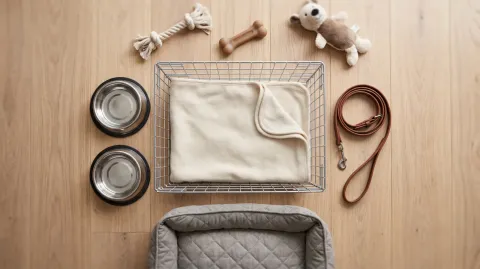
Leash training a puppy, from first steps to real walks
A puppy's first collar and lead should feel like nothing at all. The gentle, reward-based route from wearing the gear indoors to a calm walk outside, and what to do differently for a natural puller.
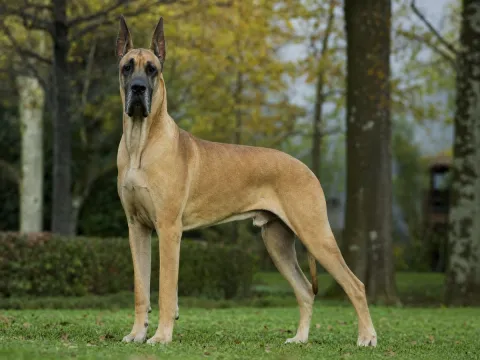
Cartoon dog breeds: what Scooby-Doo, Snoopy and Brian really are
Scooby is a Great Dane and Snoopy is a Beagle, but Clifford and Blue were never given a real breed. The honest, non-Disney roundup.