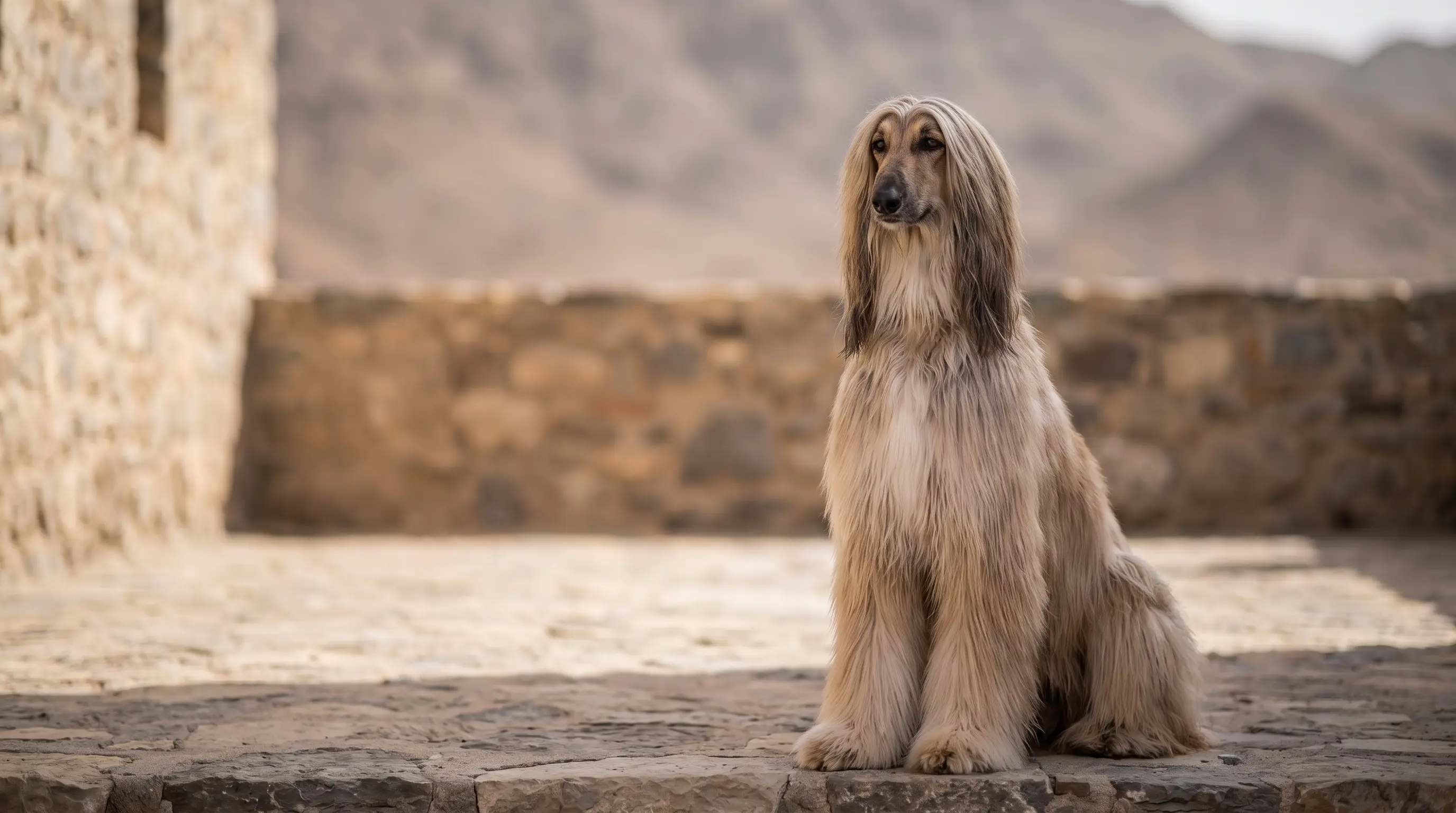
Afghan Hound
Silk over steel — a mountain sighthound with a supermodel's coat and a cat's view of obedience.
Vital stats
| Size | Large · 63–74 cm |
| Weight | 23–27 kg |
| Life expectancy | 12–14 years |
| Energy | High — daily walks plus fenced sprints |
| Shedding | Low, but the coat mats |
| Coat | Long silky coat · all colours |
| Group | Hound · FCI №228 / AKC |
| Origin | Afghanistan |
| FCI group | 10 — Sighthounds · FCI 228 |
Breed traits
Friendliness
Care
Mind
The Afghan Hound by the numbers
The Afghan Hound facts owners search for most — price, lifespan, weight, shedding and colours, in one place.
Widely bred, so you can usually find a litter from a registered breeder without a long wait. Ongoing costs run high — more food, bigger doses at the vet, and pricier insurance. Its coat also needs a professional groom every few weeks — a real line in the budget.
We don't quote a single figure: the real price swings with breeder, region, bloodline and health testing — and a rescue costs a fraction of a breeder's litter. Adopting is almost always the cheapest route.
Temperament
Bred to course game alone over rock and scree, far from any hunter's instruction, the Afghan learned to make its own decisions — and never unlearned it. At home that history reads as dignity: reserved with strangers, sensitive to harshness, quietly attached to its people, with a daily burst of pure silliness at speed.
Habits & quirks
The distance stare
Sighthound eyes lock onto movement long before you see it; the legs follow.
Selective hearing
Knows its name perfectly and treats it as an invitation, not an instruction.
Evening zoomies
Once a day, all that dignity dissolves into laps of glorious, silly speed.
Cat-like fastidiousness
Clean, quiet and particular about where it sleeps — usually your best chair.
Health
The Afghan Hound is a fairly robust, healthy breed, and its real day-to-day care is the coat rather than a list of ailments — that long silk mats fast and needs proper, regular attention to stay comfortable (see grooming). Two general points suit any lean sighthound. It carries little spare fat over a tall, deep-chested frame, so give it a padded bed and, as with any deep-chested dog, feed calm meals and learn the signs of bloat as a sensible precaution. And its safety lives in a fence and a lead: a running cat will always outrank your voice.
Nutrition
| Grooming | Several hours a week: bathe first, then brush — dry-brushing a dirty coat snaps the silk. |
| Exercise | A long daily walk plus regular free running in securely fenced space. |
| Off-lead safety | Never off-lead near roads — a running cat outranks your voice, every time. |
| Training | Gentle, brief and food-sweetened; force achieves precisely nothing with this breed. |
Keep an Afghan lean — under all that coat is a light, racy sighthound, and the frame is meant to show a little, not to carry spare weight. Feed good, measured meals to hold that build, and since it is a tall, deep-chested dog, split the food across the day and let it settle quietly rather than gulping one big bowl before a run. A healthy Afghan weight looks lean to an eye used to stockier breeds; that is the coat's job to flatter, not the food's.
Puppy guide
An Afghan puppy goes through a woolly stage before the adult silk comes in, and that is exactly when to make grooming a normal, pleasant routine — a dog that learns to enjoy the brush young is a gift for the next fourteen years. Socialise him gently, since the breed is reserved and dislikes rough handling, and keep exercise light while the long legs grow. Start recall early knowing it will never be absolute, and let him have his daily burst of silly speed somewhere safely fenced.
Training
Afghans learn quickly and then decide for themselves whether to bother — the independence was bred in over centuries of hunting alone, and it is not a fault to be drilled out. Keep training gentle, short and sweetened with food; force achieves precisely nothing with this breed and a raised voice just loses you a sensitive dog. Accept that recall will always lose to a moving target, so the fence and the lead do the safety work while training builds the manners.
Life expectancy
Afghan Hounds live 12–14 years. Afghans are a long-lived, generally sound breed, and keeping one thriving is less about medicine than about the basics done well: a lean weight, a coat kept properly brushed and free of mats, real daily exercise with safe space to sprint, and the padded bed a lean sighthound wants. Look after those and an Afghan spends its years as it means to — elegant, aloof and gloriously silly once a day.
Similar breeds
Breeds with a similar build and background — worth a look if this one isn't quite the fit.
Breeds that look like this
Common questions
Are Afghan Hounds hard to train?
They learn fast and comply selectively — independence is bred in, not a flaw. Short, rewarding sessions and realistic expectations work best.
How much grooming does an Afghan Hound need?
Plan on several hours weekly, with regular baths and careful line-brushing to prevent mats. Many owners keep pets in a shorter clip.
Are Afghan Hounds good family dogs?
With calm, older children, yes — they are gentle but reserved and dislike rough play. They bond deeply while staying elegantly undemonstrative.
Does the Afghan Hound shed a lot?
Not much. The Afghan Hound is a low-shedding breed, so loose hair around the home stays minimal. It still needs regular grooming, but you won't be fighting drifts of fur.
Is the Afghan Hound hypoallergenic?
No dog is truly hypoallergenic, but the Afghan Hound comes closer than most: its low-shedding coat releases less of the dander that triggers allergies. Many allergy sufferers manage well with this breed, but spend time around one before committing.
Stories featuring this breed
All stories →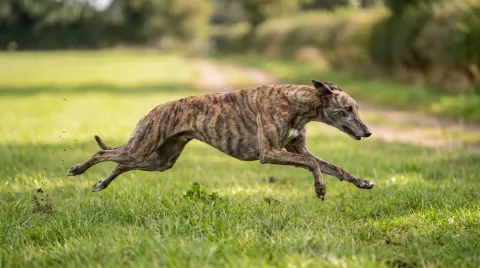
The fastest dog breeds, and how fast they really go
The Greyhound hits about 72 km/h — second only to the cheetah, and the winner over any real distance. Honest top speeds for the sighthounds and the surprises, plus how fast a Dobermann actually is.
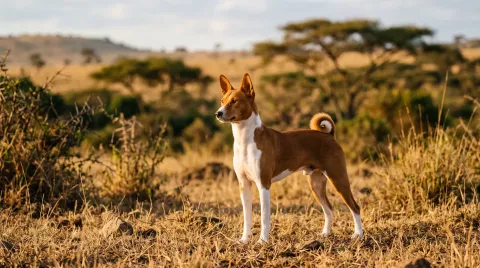
Which dog breeds are actually ancient?
Genetics keeps naming the same handful of breeds as “ancient” — but that word means isolated from the Victorian breed factory, not unchanged since antiquity.
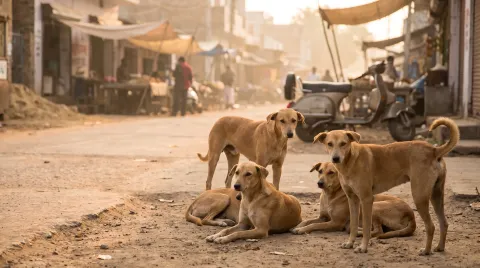
The village dog: the real default, and why your breed is the odd one out
Most dogs on Earth are free-ranging scavengers, not purebred pets. The breed is the recent human invention sitting on top of a much older, stabler kind of dog.