Where dog and cat breeds really come from
Which breeds are genuinely old, which are barely 150-year-old inventions, why most dogs on Earth aren't a breed at all, and where cats fit.
Start here
Everything in this collection
Who invented dog breeds, and when
Most 'ancient' breeds are younger than the bicycle. The breed as we know it was invented by Victorians with a stud book, in about 1873.

The village dog: the real default, and why your breed is the odd one out
Most dogs on Earth are free-ranging scavengers, not purebred pets. The breed is the recent human invention sitting on top of a much older, stabler kind of dog.
Dog breeds named after the wrong country
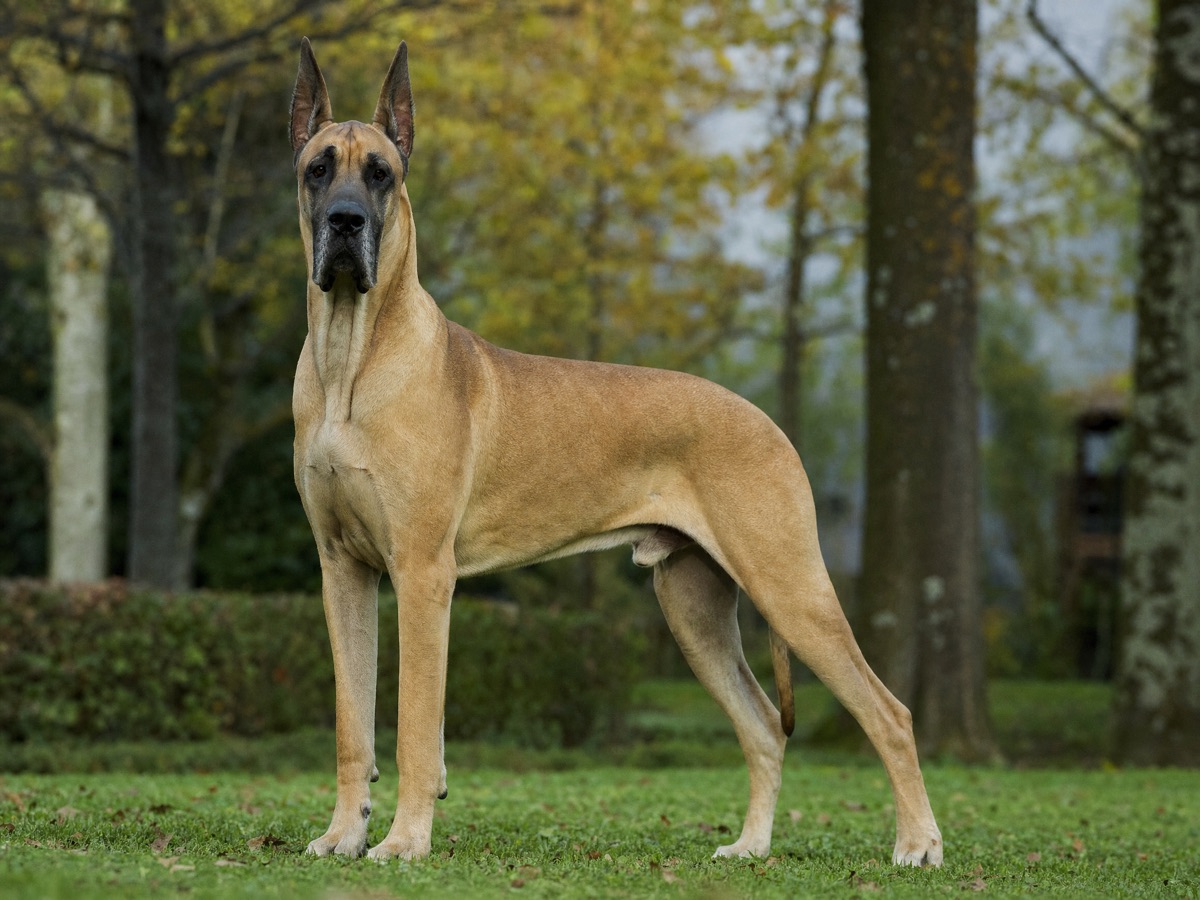
The Great Dane is German. The Australian Shepherd is American. Breed names are charming, and they are terrible geography.

National dog breeds: how a dog becomes a country's symbol
A nation doesn't just adopt a breed. Somewhere there's paperwork, a patron country, and an official standard. Here's the machinery, and the cases that actually hold up.
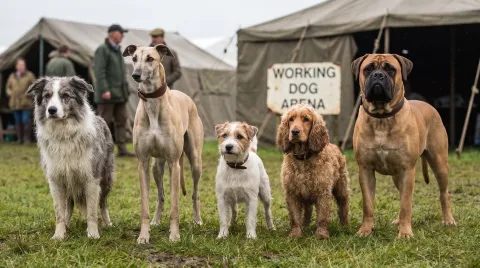
Seven groups, ten groups, three answers: how dog breeds get sorted
Kennel clubs sort several hundred breeds into a handful of groups. Here is how those lines were drawn, why the AKC's seven don't match the FCI's ten, and why the Standard Schnauzer belongs to three groups at once.
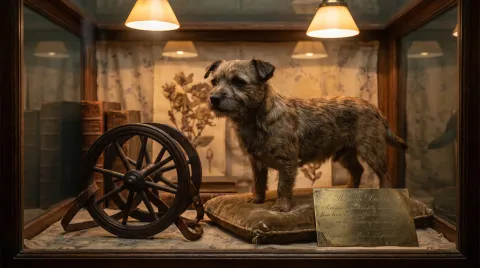
The dog breeds that vanished — and the one a 2023 genome brought back into focus
A woolly dog from the Pacific Northwest, a spit-turning kitchen worker, and the working landrace behind every retriever: what killed them, and what modern DNA can and cannot recover.
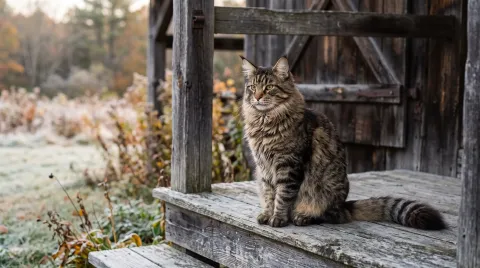
Where cat breeds come from, and why there are so few
Cats have a fraction of the breeds dogs do, and most of them are younger than the microwave. The story is landraces with paperwork versus cats made on purpose.
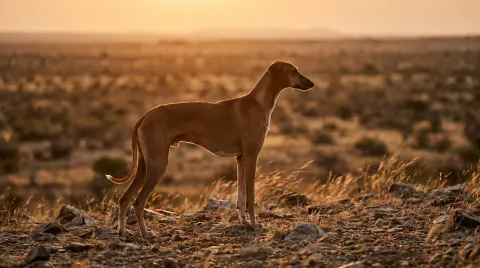
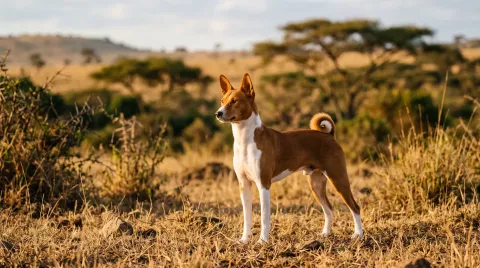
8 rare dog breeds most people never meet
Eight of the world's rarest dog breeds — where they come from, what makes them unusual, and why you almost never see one.
The breed is younger than you think
The idea of a dog breed — a closed family with a written standard and a stud book you can't marry out of — is barely 150 years old, built in Britain around the first dog shows and the Kennel Club's 1873 register. Before that there were working types shaped by a job and a place, not breeds defined by paperwork. Almost every dog sold today as an ancient breed is really an old type wearing a Victorian breed on top.
The names make it worse. The Great Dane is German, the Australian Shepherd was made in the American West, and the French Bulldog started in Nottingham — breed names followed fashion, migration and old mistranslations, not the map. That is exactly why every breed on BreedQuest now carries a real, sourced origin line you can trust. Read these two together and the whole pedigree world looks different: recent, invented, and a lot more human than the romance suggests.