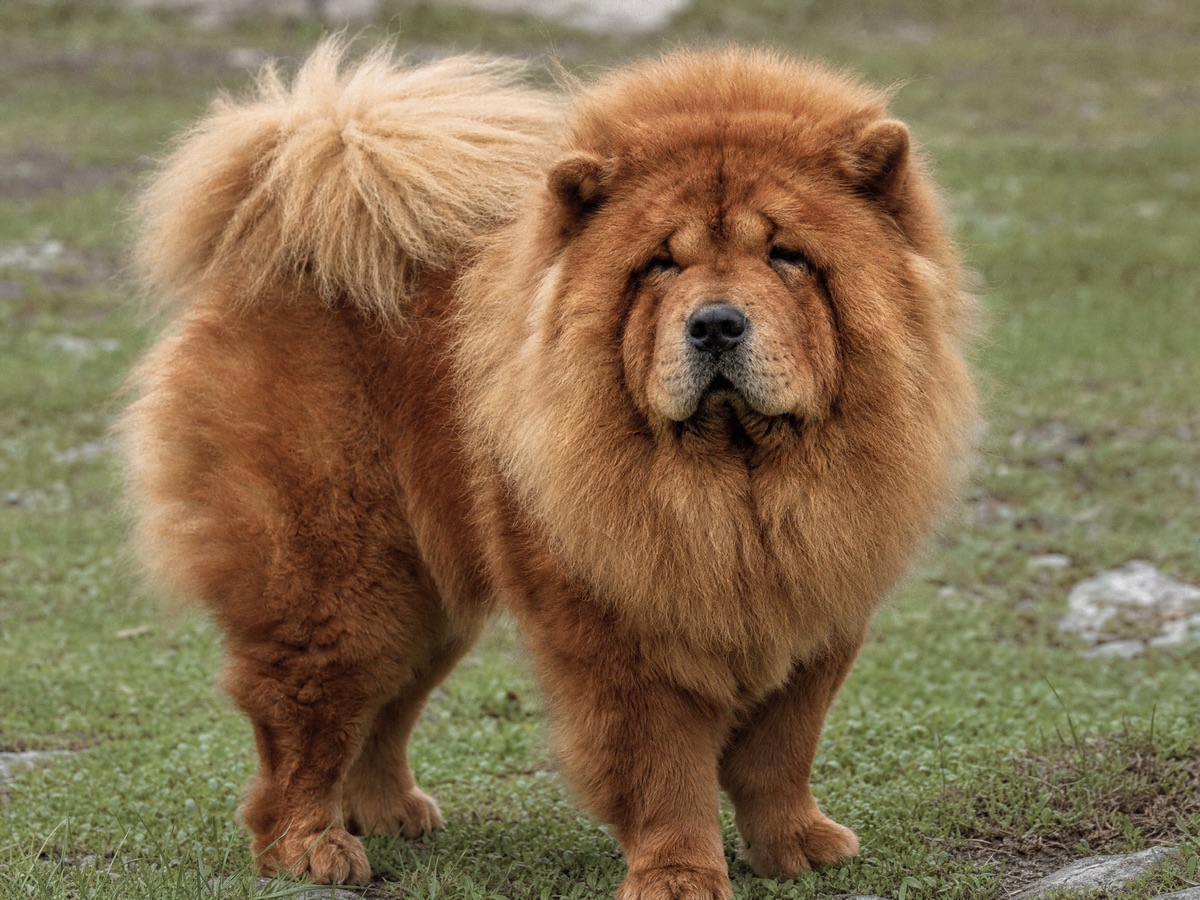
Chow Chow
A dignified lion-dog with a blue-black tongue and a cat-like soul.
Vital stats
| Size | Medium · 43–51 cm |
| Weight | 20–32 kg |
| Life expectancy | 8–12 years |
| Energy | Low-moderate — 45 min/day |
| Shedding | Heavy, seasonal |
| Coat | Dense rough or smooth double coat · red, black, blue, cinnamon, cream |
| Group | Non-sporting · FCI №205 / AKC |
| Origin | China |
| FCI group | 5 — Spitz and primitive types · FCI 205 |
Breed traits
Friendliness
Care
Mind
The Chow Chow by the numbers
The Chow Chow facts owners search for most — price, lifespan, weight, shedding and colours, in one place.
Less common, so expect a waitlist and some travel to a reputable breeder — which pushes the price up. Ongoing costs run high — more food, bigger doses at the vet, and pricier insurance. Its coat also needs a professional groom every few weeks — a real line in the budget.
We don't quote a single figure: the real price swings with breeder, region, bloodline and health testing — and a rescue costs a fraction of a breeder's litter. Adopting is almost always the cheapest route.
Temperament
Guard, hunter, cart-puller — the Chow did serious work in ancient China, and it never learned to fawn. It bonds deeply with one or two people, tolerates the rest, and expects the same courtesy it gives: no rough games, no strangers reaching over its head, no orders shouted twice. Earn its trust and you have a quietly devoted shadow for life.
Habits & quirks
The scowl
Deep-set eyes and a furrowed brow give the Chow a permanent air of mild disapproval — usually undeserved.
Clean freak
It grooms itself like a cat, house-trains almost instantly and hates getting its paws wet.
The stilt walk
Straight back legs produce that unmistakable stiff, dignified gait — a Chow never scampers.
Perimeter patrol
It quietly keeps watch from a chosen vantage point, monitoring the household like a duty officer.
Health
The Chow Chow comes with a short, specific list to watch. Its deep-set eyes are prone to entropion, where the lid rolls inward and the lashes rub the eye, which needs a vet's attention; keeping the dog lean spares the hips and knees; and the skin folds and dense coat want occasional checks to stay clean and comfortable. Add heat to that list — this is a heavily double-coated northern breed that overheats easily — and you have the core of Chow care.
Nutrition
| Grooming | Brush the rough coat two to three times a week — daily during seasonal blows — or mats take over the ruff. |
| Socialisation | Meet many calm people and dogs early; an unsocialised Chow becomes suspicious rather than shy. |
| Heat | That coat was built for northern winters — walk at cool hours and never leave a Chow in warm cars or full sun. |
| Health | Watch eyes for entropion and keep it lean to spare hips and knees; skin folds need occasional checks. |
A Chow is a fairly low-energy dog, so it's easy to over-feed one into trouble. Measure meals, go steady on treats, and keep the ribs easy to feel — a lean Chow puts far less strain on the hips and knees that this breed needs you to protect. Feed to the dog in front of you, not the scoop it's used to.
Puppy guide
Socialisation is the whole game with a Chow puppy. This is an aloof, one-person breed by nature, and one that isn't met early and often grows suspicious rather than shy — so introduce it calmly to many people and steady dogs while it's young. Get it used to coat handling and eye checks early, keep exercise gentle while the joints form, and never let a thick-coated puppy overheat.
Training
Chows are intelligent and stubborn, and they don't fawn — they were working guards and haulers, not eager-to-please gundogs, so they respond to respect, not repetition. Keep training calm, fair and reward-based, ask once rather than shouting orders twice, and never handle a Chow roughly. Earn its trust and it will quietly do as asked; try to force it and it simply digs in.
Known health issues
No breed is problem-free. These are the conditions most worth knowing about for this breed — with what a good breeder screens for and what an owner watches. General guidance, not a substitute for your vet.
Hip dysplasia
A poorly fitting hip joint that wears early and can cause pain and arthritis, most common in larger breeds. Good breeders screen: Hip-scored parents (BVA/OFA/FCI). Watch for: Stiffness, a bunny-hop run, or reluctance on stairs.
Elbow dysplasia
A developmental fault in the elbow that leads to lameness and arthritis, seen in fast-growing large breeds. Good breeders screen: Elbow-scored parents. Watch for: Front-leg limping that worsens after exercise.
Inward-rolling eyelid
An eyelid that rolls inward so the lashes rub the eye, common in breeds with loose facial skin or heavy folds. Good breeders screen: A vet eye check on puppies and parents before breeding. Watch for: Squinting, redness, tearing, or pawing at one eye.
Life expectancy
Chow Chows live 8–12 years. A Chow kept lean, cool and well-socialised is a dignified, low-drama companion for its whole life. Weight is the biggest lever you control — a lean Chow protects its own hips and knees — and staying ahead of the eyes (entropion) and the coat, plus buying from a breeder who health-tests, does most of the rest.
Popular Chow mixes
Chusky
A fluffy, striking cross of two thick-coated breeds — expect heavy shedding, a strong independent streak, and the real exercise needs of the Husky side. Temperament and looks vary widely.
Golden Chow
A cross that aims to soften the Chow's reserve with the Golden's friendliness, though how it lands varies from pup to pup. Thick-coated and a steady shedder; early socialisation still matters.
Similar breeds
Breeds with a similar build and background — worth a look if this one isn't quite the fit.
Breeds that look like this
Common questions
Are Chow Chows aggressive?
Not inherently, but they're aloof, territorial and intolerant of rough handling. Early socialisation and calm, respectful training are essential.
Why do Chow Chows have blue tongues?
It's a breed hallmark — Chows (and Shar-Peis) are born pink-tongued and develop the blue-black pigment within weeks. The exact reason isn't fully understood.
Do Chow Chows shed a lot?
Yes — the dense double coat sheds year-round and blows out heavily twice a year. Frequent brushing keeps the house liveable and the coat healthy.
Is the Chow Chow hypoallergenic?
Not really. No dog is truly hypoallergenic, and the Chow Chow's shedding coat releases plenty of the dander that sets off allergies. If someone at home is allergic, this isn't the easiest breed to live with — spend time around one first.
Is the Chow Chow good with children?
It depends. The Chow Chow tends to be more reserved, so it suits older, calmer children better than boisterous toddlers. Early socialisation and careful, supervised introductions matter more with this breed.
Is the Chow Chow easy to train?
They can be a challenge. The Chow Chow is intelligent but independent, and would rather make its own decisions than take orders. Reward-based training and patience work best; expect recall in particular to take time.
Stories featuring this breed
All stories →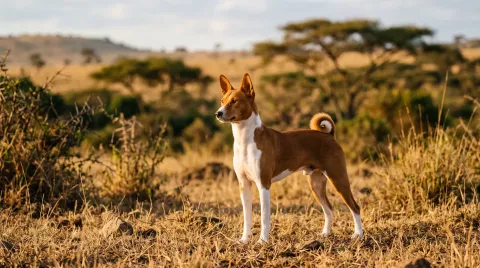
Which dog breeds are actually ancient?
Genetics keeps naming the same handful of breeds as “ancient” — but that word means isolated from the Victorian breed factory, not unchanged since antiquity.
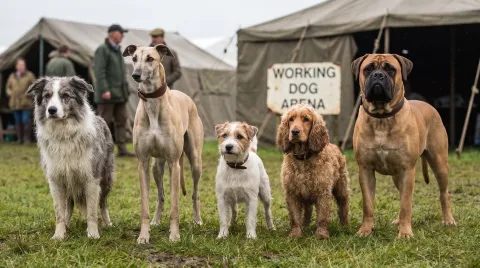
Seven groups, ten groups, three answers: how dog breeds get sorted
Kennel clubs sort several hundred breeds into a handful of groups. Here is how those lines were drawn, why the AKC's seven don't match the FCI's ten, and why the Standard Schnauzer belongs to three groups at once.