Chinese Shar-Pei
The wrinkled sentinel — loyal, aloof and unmistakably one of a kind.
Vital stats
| Size | Medium · 44–51 cm |
| Weight | 18–29 kg |
| Life expectancy | 8–12 years |
| Energy | Moderate — 30–60 min/day |
| Shedding | Low-moderate |
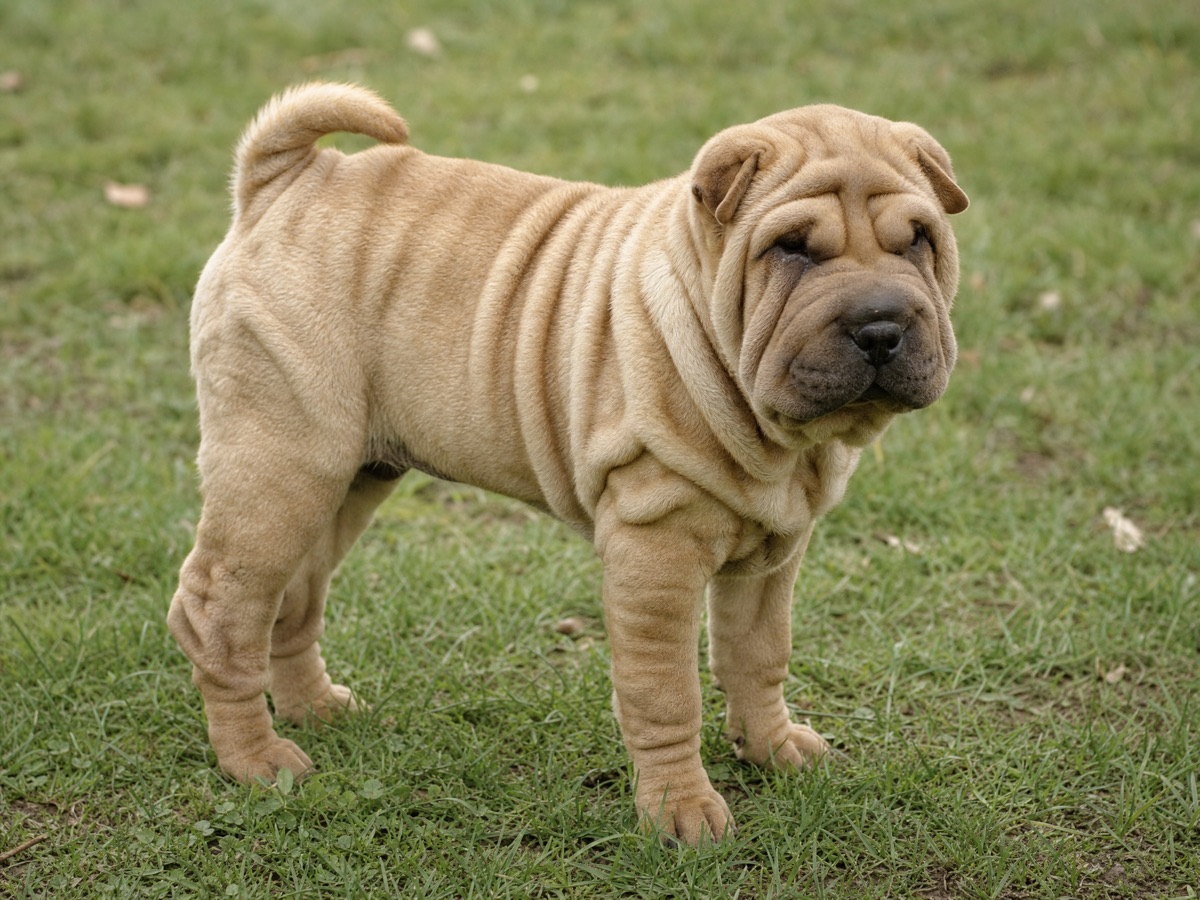
| Coat | Harsh bristly 'sand-skin' coat · fawn, cream, red, black |
| Group | Non-sporting · FCI №309 / AKC |
| Origin | Guangdong, southern China |
| FCI group | 2 — Pinscher and Schnauzer, Molossoid and Swiss Mountain Dogs · FCI 309 |
Breed traits
Friendliness
Care
Mind
The Chinese Shar-Pei by the numbers
The Chinese Shar-Pei facts owners search for most — price, lifespan, weight, shedding and colours, in one place.
Less common, so expect a waitlist and some travel to a reputable breeder — which pushes the price up. Plan for steady ongoing costs — mid-range food, routine vet care and insurance.
We don't quote a single figure: the real price swings with breeder, region, bloodline and health testing — and a rescue costs a fraction of a breeder's litter. Adopting is almost always the cheapest route.
Temperament
Bred as an all-purpose farm dog in southern China — guarding, hunting, minding stock — the Shar-Pei kept a guardian's mind: composed, territorial and deeply loyal to its own. The loose skin and bristly coat once made it hard for opponents to grip; today they wrap a dignified, self-possessed dog that neither needs nor seeks universal approval.
Habits & quirks
Frowning, not sad
The permanent worried expression is upholstery, not mood.
Quiet watch
Rarely barks without a reason — which makes the rare bark worth hearing.
Personal space
Greets guests with a polite inspection, then returns to its post.
Shadow of one
Chooses its person and keeps them within line of sight, unobtrusively.
Health
The Shar-Pei's famous wrinkles come with real upkeep and a couple of inherited conditions to ask any breeder about directly. Keep the deep skin folds clean and dry, since trapped moisture and debris invite infection, and learn what your dog's healthy skin looks and smells like so you catch a flare early. The heavy folds around the eyes can roll the lashes inward — entropion — which is painful and common in the breed, so watch for squinting or weepy eyes. And ask breeders openly about Shar-Pei fever, a hereditary condition that brings recurring bouts of fever and swollen hocks; it needs veterinary management, and it is far easier to handle when you know it's in the lines.
Nutrition
| Skin | Keep the folds clean and dry to prevent infection, and learn what healthy skin looks like. |
| Health | Ask breeders about Shar-Pei fever and entropion; both are well known in the breed and manageable when caught early. |
| Socialisation | Early, broad, positive exposure is essential to soften the natural wariness of strangers and dogs. |
| Exercise | Moderate daily walks suit it; avoid heat, which the short muzzle handles poorly. |
Feed a Shar-Pei for a steady, lean weight — measure meals and count treats into the day's total, with ribs you can feel but not see. The short muzzle makes heat and exertion harder to shrug off, and extra weight only adds to that load, so lean genuinely helps this dog. If the skin or gut ever seems reactive, keep changes slow and talk to your vet rather than swapping foods on a hunch; steadiness suits the breed.
Puppy guide
A Shar-Pei puppy is a wrinkled armful, calm and self-possessed, and the two early priorities are socialisation and skin. This is an aloof, guardian-minded breed, so wide, positive, early exposure to people, places and other dogs is what softens the natural wariness into good judgement rather than suspicion. At the same time, get the pup used to having its folds, ears and eyes handled and cleaned, so lifelong care is calm and routine. Keep it cool, and let it learn the world is mostly friendly.
Training
The Shar-Pei is intelligent, independent and quietly stubborn — it decides things for itself, which is exactly what it was bred to do. Training works on calm, consistent, reward-based sessions and a handler it respects; heavy-handed pressure meets a wall. The real work is social, not obedience: early, positive socialisation to keep the guarding instinct measured rather than reactive. Keep sessions short and out of the heat, be fair and steady, and this dog will choose to work with you.
Life expectancy
Shar-Peis live 8–12 years. A Shar-Pei's years turn on the skin, the eyes and Shar-Pei fever more than on anything else. Keep the folds clean and dry, stay ahead of eye trouble like entropion, and choose a breeder who is open about fever in their lines — caught early, it is manageable. Keep your dog lean, out of the heat the short muzzle handles poorly, and up to date on vet checks, and a well-cared-for Shar-Pei makes the most of that range as its calm, loyal self.
Popular Chinese mixes
Sharpoo
An unusual cross aiming for a lower-shedding coat and, sometimes, fewer folds than a purebred Shar-Pei. Temperament and skin vary widely; meet the parents, ask about health testing, and still keep folds and heat in mind.
Similar breeds
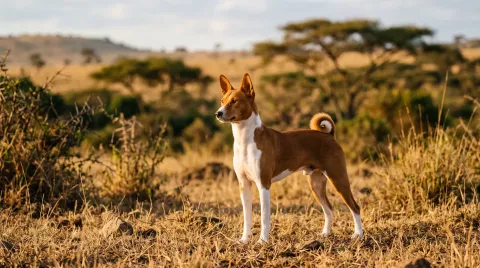
Breeds with a similar build and background — worth a look if this one isn't quite the fit.
Breeds that look like this
Common questions
Are Shar-Peis good family dogs?
With their own family, yes — loyal and calm — but they're aloof and protective with strangers and other dogs, so need early socialisation and experienced handling.
Do Shar-Peis need special skin care?
Yes — the deep folds must be kept clean and dry to prevent infections, and the breed is prone to a hereditary fever and eye problems. Regular vet checks help.
What is Shar-Pei fever?
A hereditary inflammatory condition causing recurring episodes of fever and swollen hocks, linked to the same genetics as the wrinkling. It needs veterinary management, so ask any breeder openly about it.
Does the Chinese Shar-Pei shed a lot?
Moderately. The Chinese Shar-Pei sheds a fair amount, steadily through the year with heavier seasonal patches. A weekly brush keeps most of the loose hair off your floors and clothes.
Is the Chinese Shar-Pei hypoallergenic?
Not really. No dog is truly hypoallergenic, and the Chinese Shar-Pei's shedding coat releases plenty of the dander that sets off allergies. If someone at home is allergic, this isn't the easiest breed to live with — spend time around one first.
Is the Chinese Shar-Pei easy to train?
They can be a challenge. The Chinese Shar-Pei is intelligent but independent, and would rather make its own decisions than take orders. Reward-based training and patience work best; expect recall in particular to take time.