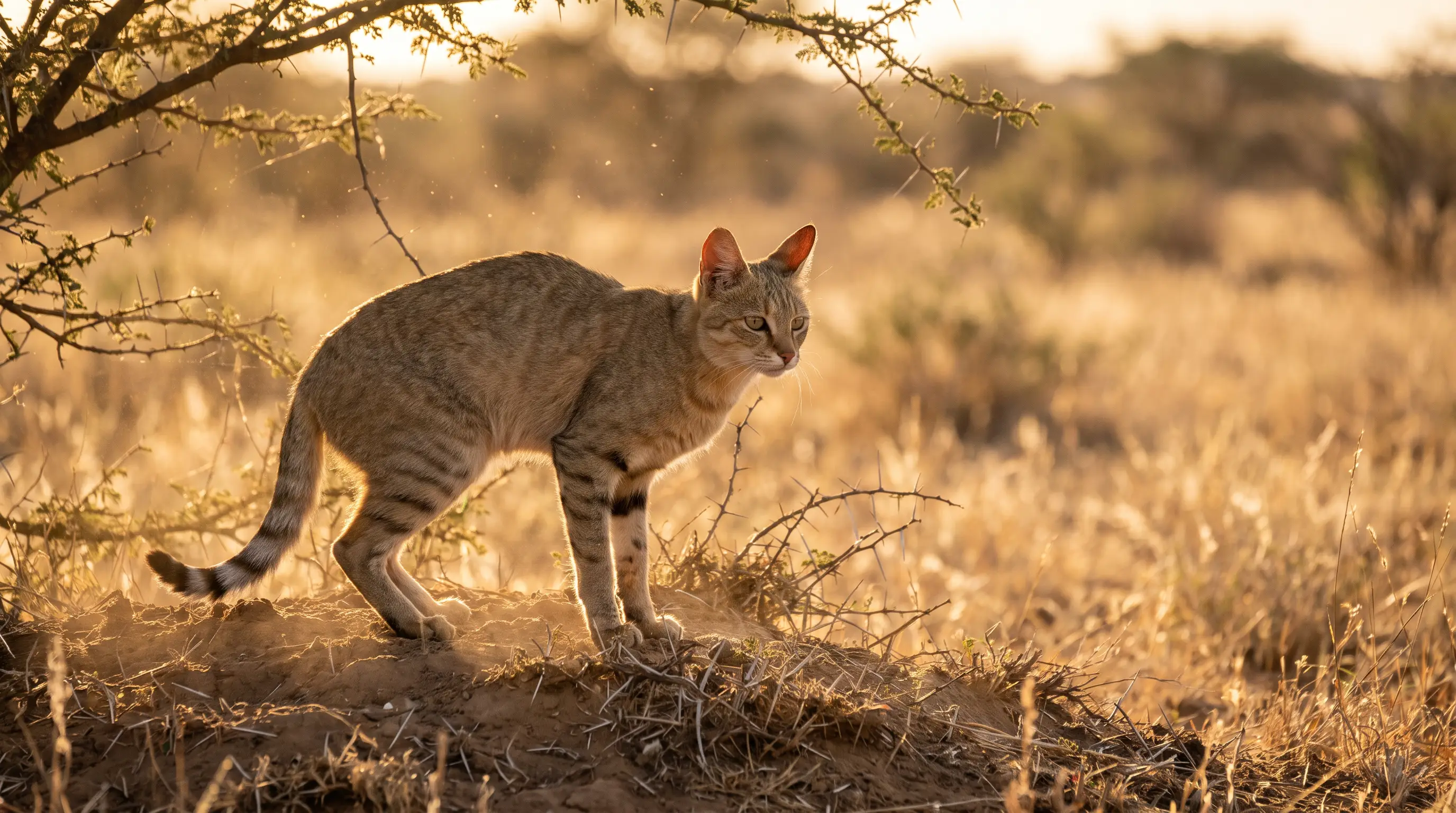
How dogs & cats evolved
The real story of how wolves became dogs and wildcats moved in — domestication, ancient DNA, selective breeding and the biology that still shapes your pet.
Articles
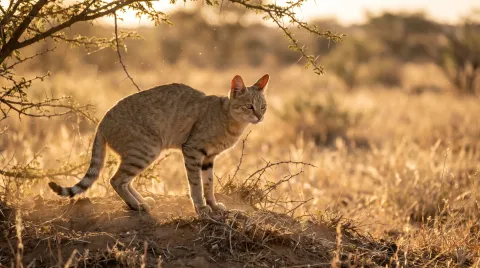
How cats domesticated themselves
No one set out to tame the cat. It walked into the grain stores of the first farmers about 10,000 years ago and stayed — barely changed from the wildcat it still is.
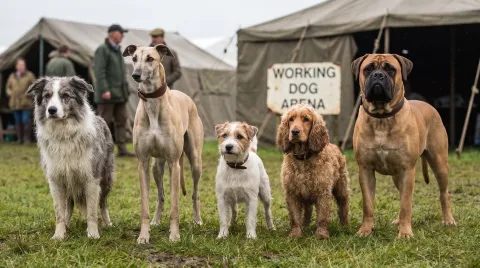
What selective breeding actually does to an animal
Choosing which animals have babies is the most powerful force in a pet’s biology. A Soviet fox experiment shows how fast it works — and how much it costs.
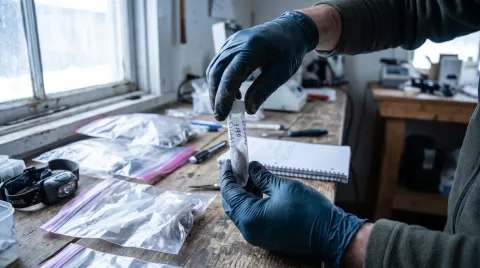
How we know: reading the ancient DNA of dogs and cats
The story of pet origins was rewritten in the last fifteen years — not by new bones, but by pulling readable DNA out of old ones. Here is how that actually works.
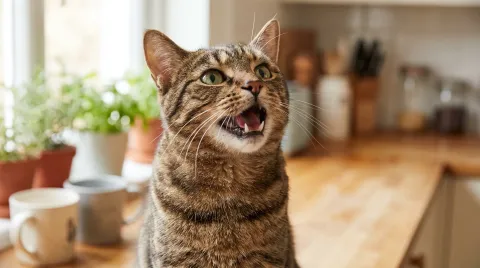
Why cats can’t taste sweetness — and dogs can
A cat is deaf to sugar because a single taste gene broke long ago. That one fact opens up the whole biology of the obligate carnivore in your kitchen.
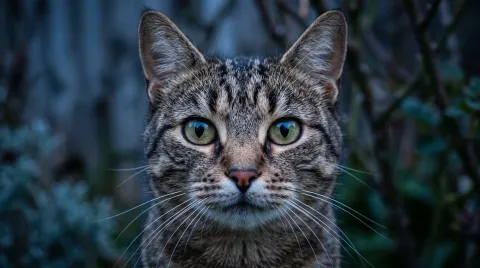
What the world looks like to a cat
Blurry up close, washed-out in colour, six times brighter at night — and smelling like a newspaper you can't read. A tour of your home through your cat's senses, and what it changes about how you run it.
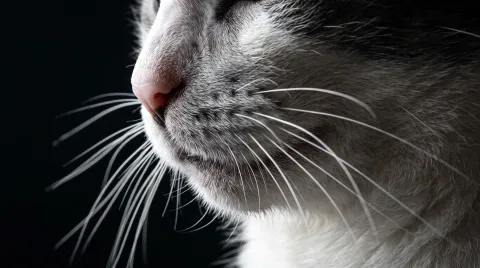
Whiskers: the instrument panel on your cat's face
Air-current radar, gap gauge, mood indicator and night-hunting sight — whiskers do jobs eyes can't. How the instruments work, what whisker positions tell you, and the honest verdict on whisker fatigue.