
Feeding your cat, honestly
What to feed, how much, and what's toxic — straight nutrition guides for cats and dogs, with no brand spin.
Articles

Organic, natural, holistic: which pet food claims are real
Only one of these words is backed by law. Here's what organic, natural, holistic, premium and gourmet actually guarantee on a bag of dog or cat food.
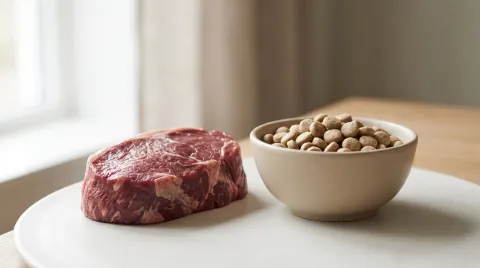
Single-protein and limited-ingredient dog food: when it helps
Limited-ingredient and single-protein diets have one real job — investigating food allergies with your vet. Here's when they help and when it's just marketing.

'Complete and balanced': the only pet food claim that matters
One small line on the bag decides whether a food can actually feed your pet. Here's how to find the AAFCO/FEDIAF adequacy statement and read it properly.

Feeding a neutered cat without the weight gain
Neutering drops a cat's calorie needs by up to a third while its appetite climbs. Here's how to feed the same cat and keep it lean.

Foods that are toxic to cats: the honest list
The real dangers in your kitchen, from onion powder hiding in baby food to why an all-tuna diet backfires, and what to do if your cat gets into something.
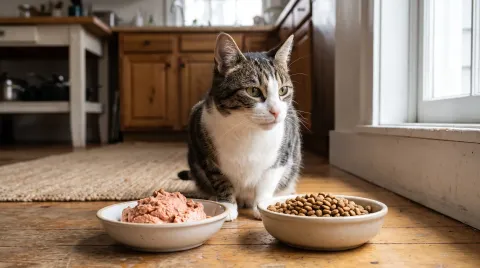
Wet vs dry cat food: what actually matters
Moisture, cost, convenience, and two stubborn myths, sorted by a simple rule that beats every marketing claim on the bag.

How to read a pet food label
The one line that matters most, why the first ingredient lies, and how to spot marketing words that mean nothing.

Treats without the weight gain: the 10% rule
The vet rule that stops treats making your cat or dog fat, and how to run the numbers in about a minute.

Feeding a senior cat: what actually changes after 11
Senior cats need more protein, not less. What changes after 11: weight direction, appetite red flags, dental pain, and how to help a picky old eater.

How much to feed a kitten, and how often
Kittens burn energy fast and need feeding little and often. How much a growing kitten really needs, why it must be kitten food, and the milk mistake to avoid.