Dog breeds, behaviour & care
Dog breeds, behaviour and care from BreedQuest — lifespan, tails, working jobs, senior care and more, honest and never filler.
Behaviour
Open topic →
Do dogs dream? What the twitching and paddling mean
Yes, and a 1960s experiment on cats is how we know. What the paddling paws are really doing, why puppies twitch most, and the one time you should worry.
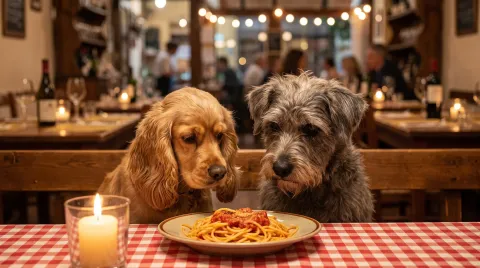
Disney dog breeds: the real dog behind every one
Lady is a Cocker Spaniel and Dug is a Golden Retriever, but Pluto and Bolt were never given an official breed. The honest list.

Cartoon dog breeds: what Scooby-Doo, Snoopy and Brian really are
Scooby is a Great Dane and Snoopy is a Beagle, but Clifford and Blue were never given a real breed. The honest, non-Disney roundup.
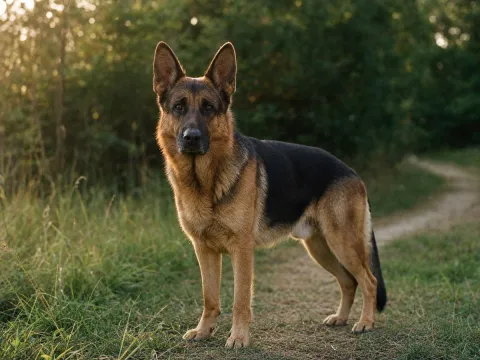
PAW Patrol breeds: every pup's real dog, from Chase to Tracker
Chase is a German Shepherd, Zuma is a Chocolate Labrador, and Skye's Cockapoo isn't a registered breed at all. The honest, canon breed behind every PAW Patrol pup.
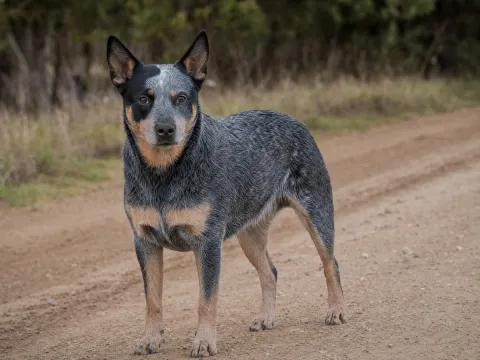
What breed is Bluey? The Heeler family, explained
Bluey is a Blue Heeler and Bingo a Red Heeler — same breed, different coat. The honest guide to the real Australian Cattle Dog behind the show.
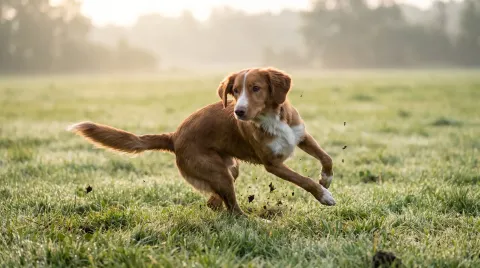
What a dog's tail is actually for
Balance, communication and scent - the three real jobs a dog's tail does, and why a wag on its own never means a happy dog.
Dog body language: what your dog is really telling you
A wag is not always happy, and hackles are not always aggression. How to read the whole dog — tail, ears, eyes, mouth and posture — and spot stress before it becomes a bite.
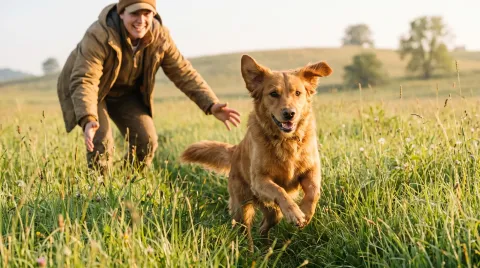
Why does my dog follow you everywhere?
Velcro dogs shadow you from room to room for good reasons — bonding, breeding and plain reinforcement. When it is sweet, and when it tips into separation anxiety.
Why does my dog lick you so much?
Affection, taste, attention, instinct — dog licking usually means something friendly. The honest reasons, whether it is hygienic, and when licking is a sign of a problem.

Dog separation anxiety: signs, causes and the fix that works
The chewed door frame isn't revenge — it's panic. How to tell true separation anxiety from boredom, what actually rewires it, and the popular fixes that make it worse.

Why is my dog aggressive? Causes and what actually helps
Aggression is communication with the volume turned up — and almost never dominance. The real causes, the warning ladder your dog is climbing, and the fixes that don't remove the warnings.
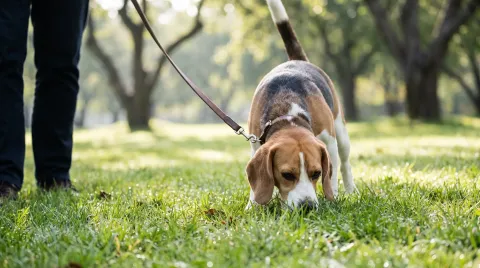
Why does my dog eat poop? The science and the fix
Coprophagia is common, mostly harmless, and almost never a nutrient cry for help. What the research actually found, when it is a medical flag, and what stops it — spoiler: not pineapple.
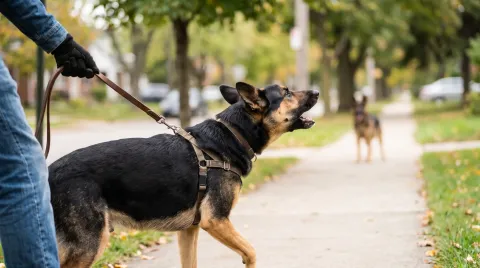
Leash reactivity: why your dog lunges on the lead, and the fix
Friendly off-lead, a roaring spectacle on it — leash reactivity is the lead itself changing the maths. What drives the display, why punishing it backfires, and the training that works.

Why does my dog chew everything? Causes and the fix
Chewing is a need with nowhere legal to go — not a vice to stamp out. Why the sofa keeps losing, what the destruction is telling you, and the redirect that saves your shoes.

Do dogs love their owners? What the science measured
Yes — and unusually for a question about feelings, we have the receipts: oxytocin loops, attachment tests and brain scans. What dog love is made of, and what it looks like from the sofa.
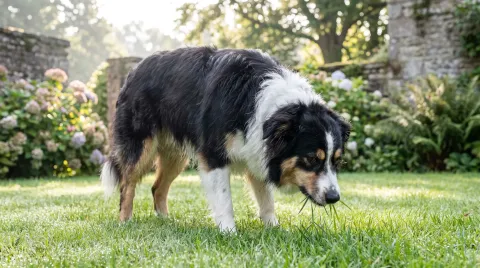
Why do dogs eat grass? The myth, the data, the real risks
It's rarely self-medication and almost never a missing nutrient — the biggest survey ever run on grass-eating dogs retired both stories. What's actually going on, and when to pay attention.
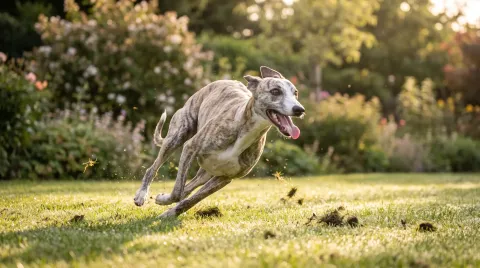
Dog zoomies: why dogs suddenly sprint like maniacs
The tucked tail, the mad loops, the gleeful eyes — zoomies have a scientific name, a set of reliable triggers, and exactly one thing you shouldn't do about them.
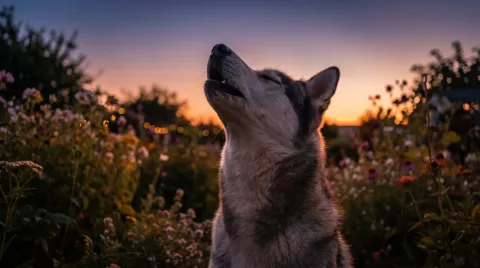
Why do dogs howl? Sirens, solitude and the wolf inside
The howl is long-distance radio inherited from wolves — and no, the siren isn't hurting your dog's ears. What each howl broadcasts, and the one kind that's a message for you.
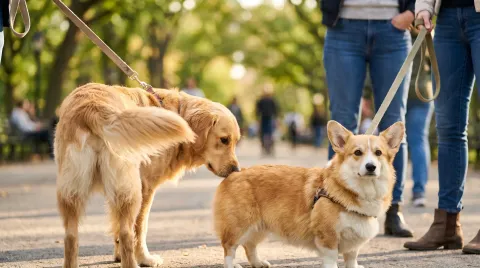
Why do dogs sniff each other's butts? The chemical handshake
It's not rude — it's the most information-dense greeting in the animal kingdom. What's actually in the message, the equipment that reads it, and the etiquette your dog is following.

Why does my dog stare at me? Every stare, decoded
Affection, forecasting, negotiation, security detail — a dog's stare is never empty. What each one means, including the famous bathroom vigil, and the one stare to take seriously.
Health & care
Open topic →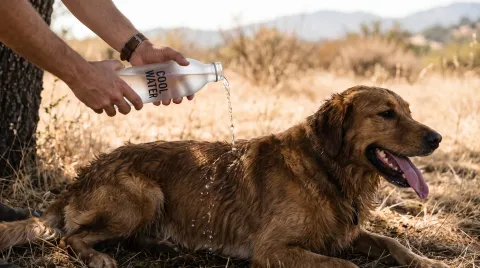
Hydration for dogs and cats: why it matters, and why cats barely drink
Cats are built to run a little dry, and it quietly damages their kidneys and bladder. How much water dogs and cats really need, and how to get more into a reluctant drinker.
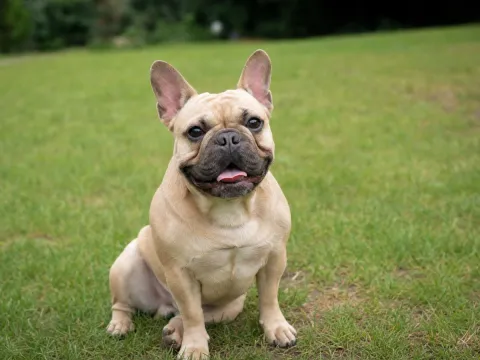
Flat faces, hard breathing: the truth about brachycephalic dogs
A pug's snore is a warning, not a feature. What BOAS is, which breeds it affects, and what a responsible owner and breeder actually do about it.

Foxtails: the summer grass seed that burrows into pets
Foxtail grass seeds catch in fur and travel one way—inward. Here's how to spot them on a cat or dog, and stop them.
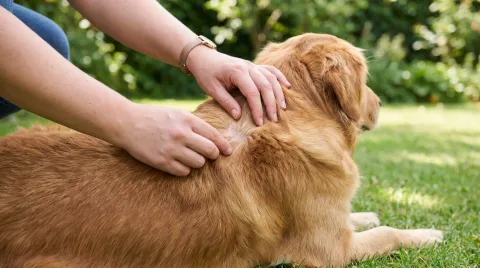
Fleas, ticks and worms: the parasite basics
The parasites every cat and dog owner meets, what they actually do, and why prevention beats treatment every time.
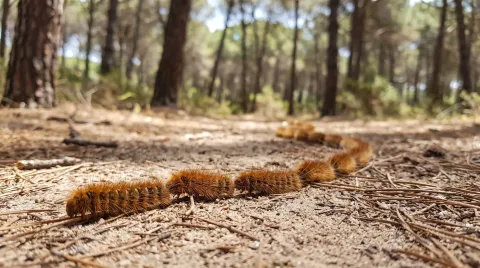
Processionary caterpillars: an emergency for dogs
The caterpillar that can cost a dog part of its tongue, why the first six hours decide the outcome, and how to stay clear of it in season.

Sandflies and leishmaniasis: what protects a dog
The insect you never hear, the disease it carries, and the reason your flea and tick product is probably not covering it.
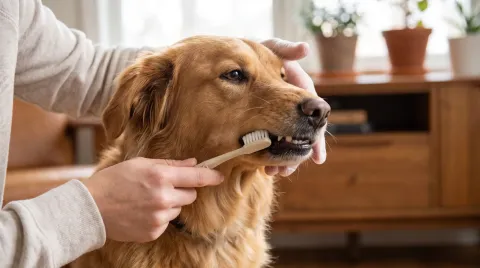
Pet dental care: the health problem owners miss
The most common health problem in adult pets is also the most missed. Here's what dental disease really looks like, and how to actually prevent it.
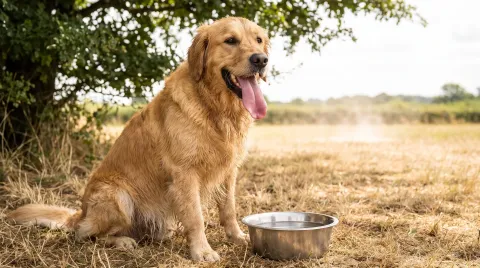
Dog heatstroke: signs, first aid and prevention
Dogs cool themselves by panting, not sweating, so summer heat overwhelms them fast. Here's how to spot heatstroke and act in the minutes that matter.
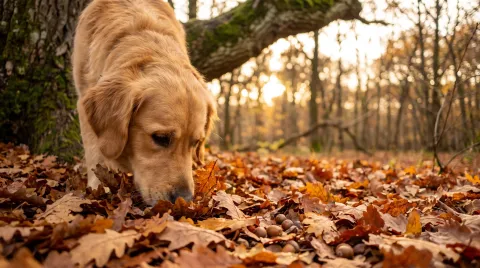
Autumn dangers for dogs: acorns, conkers and mushrooms
Autumn puts three scavenging hazards on the ground — acorns, conkers and wild mushrooms — plus rat bait and fermenting fruit. What's toxic, what the warning signs are, and when to call the vet.

Winter pet dangers: antifreeze, road salt and chocolate season
Antifreeze is the winter emergency — sweet, deadly and quick. Plus gritted-salt paws, the festive-food gauntlet and cats sheltering in warm car engines. What to watch and when it's urgent.

The pet danger calendar: what to watch, month by month
Most pet hazards are seasonal and many are regional. Here's the year mapped out — when heatstroke, grass seeds, processionary caterpillars, antifreeze and the rest actually peak, and which ones your area even has.

Snake bites in dogs: first aid, symptoms and prevention
A calm, fast response is what actually saves a bitten dog. What to do in the first minutes, the myths that cost time, and which snakes matter across Europe.

Why is my dog vomiting? Causes and when to see a vet
The common reasons dogs are sick, what you can safely do at home for a one-off, and the warning signs that mean call the vet now rather than wait.

Why is my dog limping? Causes and when to see a vet
From a stone in the paw to a cruciate injury — the common reasons dogs go lame, what rest can and cannot fix, and the signs that mean see a vet.

Why does my dog have diarrhoea? Causes and when to see a vet
Most dog diarrhoea is a passing upset that settles in a day or two. Here is the safe home approach, and the signs — blood, lethargy, a poorly puppy — that mean call the vet.
Why is my dog scratching so much? Causes and when to see a vet
Fleas, allergies, mites or dry skin — the common reasons dogs itch, what helps at home, and the point where scratching turns into a problem that needs a vet.

Why is my dog coughing? Causes and when to see a vet
Kennel cough, heart disease, an irritated windpipe — what a dog cough can mean, what helps at home, and the breathing signs that make it an emergency.
Why is my dog shaking or trembling? Causes and when to see a vet
Cold, fear, pain, low blood sugar or poisoning — the reasons dogs shiver and tremble, how to tell a shiver from a seizure, and when trembling is an emergency.
Why is my dog not eating? Causes and when to see a vet
A skipped meal in a happy dog is rarely a worry; a real change in appetite often is. The common reasons dogs go off food, and when a lost appetite needs a vet.
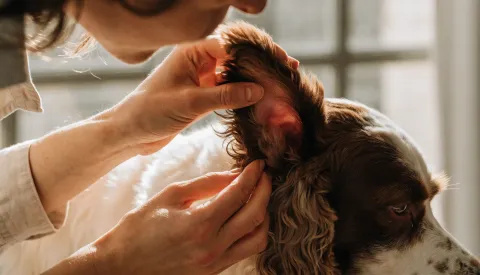
Dog ear infections: signs, causes and when to see a vet
Head-shaking, scratching and a smelly ear usually mean an ear infection. Why they happen, what helps at home, and why the first one always needs a vet.
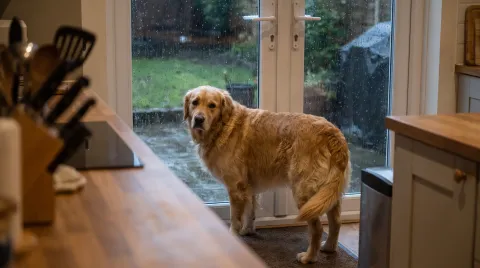
Why is my dog peeing in the house? Causes and how to stop it
An adult dog that starts having accidents isn't being defiant — it's giving you a symptom. The medical checklist, the marking-vs-emptying distinction, and the retraining plan that works.
Nutrition
Open topic →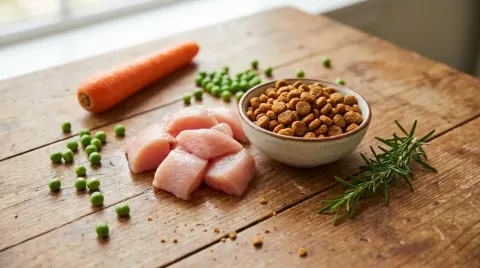
Reading the pet food ingredient list: meat, meal and by-product
'Chicken' first isn't the win it looks like, and 'by-product' isn't the villain. How to read an ingredient panel the way the people who write it do.

Human-grade vs feed-grade pet food, decoded
'Human-grade' is one of the few pet-food terms with a legal meaning — and one of the most stretched. Here's what it really requires, and whether it's worth paying for.

Pet food quality words, decoded: what the label really promises
Human-grade, holistic, natural, premium, single protein. Most of it is marketing, some of it is law. Here's what each word actually guarantees — and the one claim that really matters.
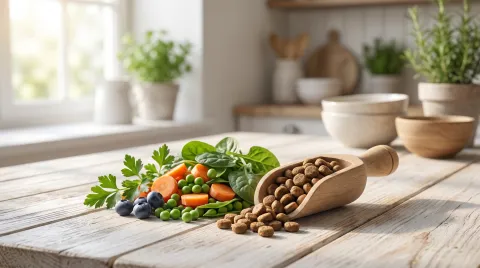
Organic, natural, holistic: which pet food claims are real
Only one of these words is backed by law. Here's what organic, natural, holistic, premium and gourmet actually guarantee on a bag of dog or cat food.
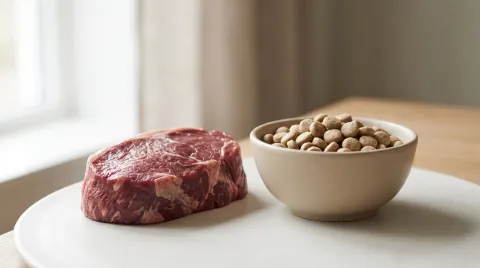
Single-protein and limited-ingredient dog food: when it helps
Limited-ingredient and single-protein diets have one real job — investigating food allergies with your vet. Here's when they help and when it's just marketing.
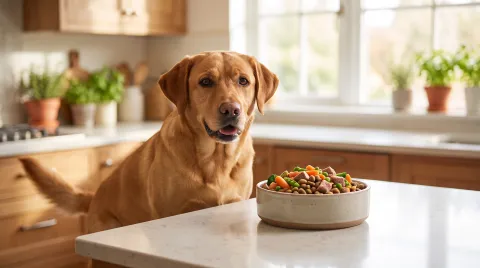
'Complete and balanced': the only pet food claim that matters
One small line on the bag decides whether a food can actually feed your pet. Here's how to find the AAFCO/FEDIAF adequacy statement and read it properly.
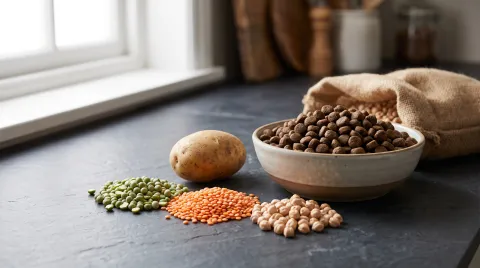
Grain-free dog food and DCM: the honest state of the science
The FDA linked some grain-free, legume-heavy diets to heart disease — but never proved cause, and never cleared them. Here's the honest, non-alarmist picture.
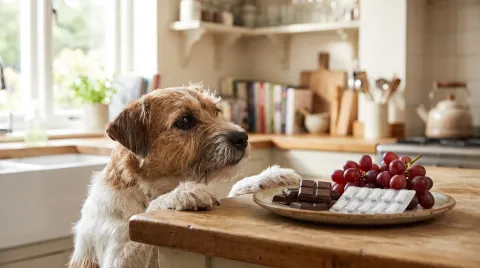
Foods dogs must never eat: the toxic list
The vet-checkable list of foods that poison dogs, ranked by real danger, plus exactly what to do in the first ten minutes.

How much to feed a dog: portions and the lean years
Feed to your dog's ideal weight, not its current weight. The food-pack number is a start, then adjust by ribs, waist and tuck.
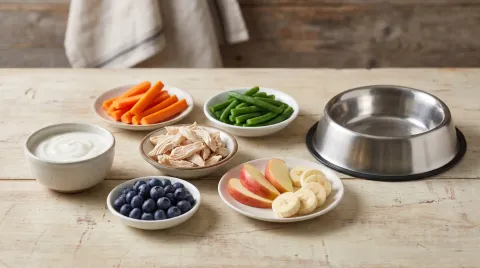
Human foods dogs can eat safely (and how much)
The yes-list of human foods that are safe for dogs, with real portions, the catches, and the one 10 percent rule that keeps treats from doing harm.
How to read a pet food label
The one line that matters most, why the first ingredient lies, and how to spot marketing words that mean nothing.
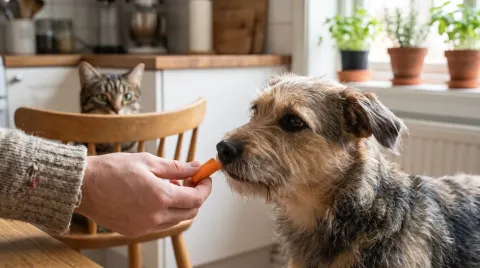
Treats without the weight gain: the 10% rule
The vet rule that stops treats making your cat or dog fat, and how to run the numbers in about a minute.

How much to feed a puppy, by age and size
The bag's chart is a starting point, not an answer. How much a puppy really needs, how meals drop from four a day to two, and the large-breed rule that matters more than the amount.
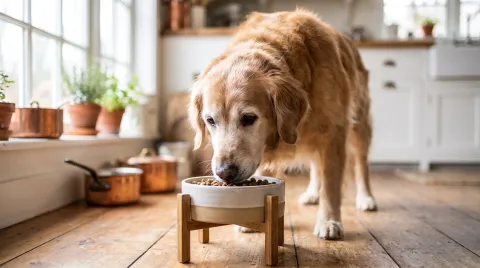
Feeding a senior dog: what actually changes after 7
Most older dogs need fewer calories, not a special 'senior diet' — and they should not have their protein cut. What changes, what doesn't, and when a change in appetite is a vet visit.
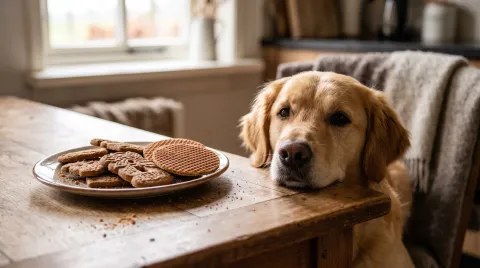
Can dogs eat speculaas? Dutch treats, checked
Speculaas, drop, oliebollen, hagelslag — which Dutch classics are a hard no for dogs and which are just pointless. Honest verdicts, with the reason.
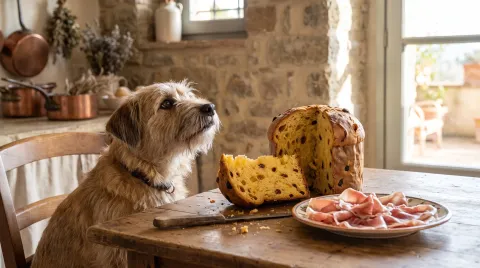
Can dogs eat panettone? Italian foods, put to the test
Panettone, gorgonzola, prosciutto, gelato — which Italian classics are dangerous for dogs and which are just a salty, sugary no. Honest verdicts with the reason.
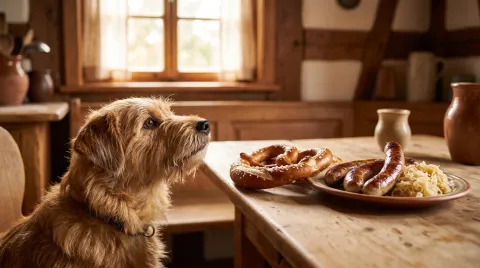
Can dogs eat Brezel? German classics, checked
Brezel, Stollen, Wurst, Käsespätzle — which German staples are dangerous for dogs and which are just too salty or fatty. Honest verdicts, with the reason.
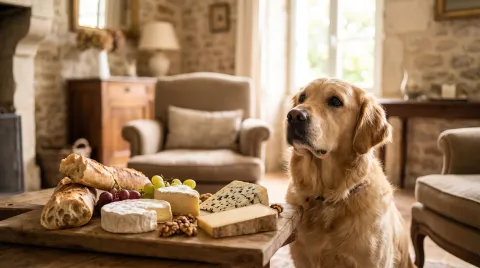
Can dogs eat cheese? French classics, put to the test
Fromage, foie gras, saucisson, pain au chocolat — which French classics are dangerous for dogs and which are just too rich. Honest verdicts, with the reason.

Can dogs eat turrón? Spanish classics, put to the test
Turrón, jamón, churros, tortilla — which Spanish classics are dangerous for dogs and which are just salty or sugary. Honest verdicts, with the reason.
Training
Open topic →
Working dog jobs: the breeds behind the badge
Which breeds do police, detection, rescue and hunting work, and the drive that makes each one right for the job.

Puppy training: your first month, step by step
What to teach a new puppy first, in the right order, with reward-based methods a vet would sign off on and no dominance nonsense.
Dog recall training: build a come that actually works
A recall you can trust in a real emergency, plus the everyday habits that quietly poison the word "come" until your dog ignores it.
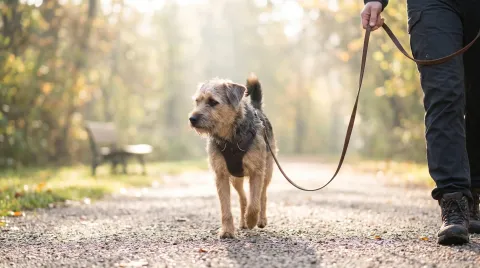
Stop the pulling: loose-lead walking that works
Dogs pull because it pays off. Reward the side, stop dead the second the lead goes tight, skip the pain tools — the kind method that actually sticks.

How to crate train a puppy, step by step
Done right, a crate becomes the one place a puppy feels safest — not a cage. The reward-based method, the timing, and the mistakes that make a puppy hate it.
How to stop a puppy biting and mouthing
Puppy biting is normal, not aggression — and how you respond in the first months decides whether it fades or hardens. The reward-based fixes that actually work.
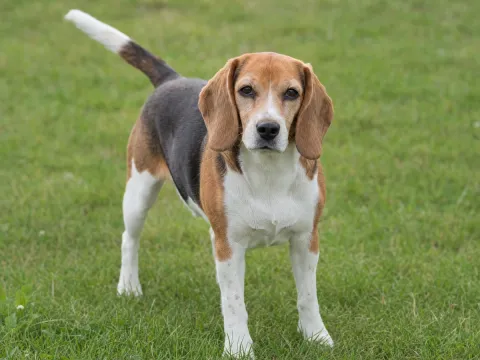
How to stop a dog barking too much
Barking is communication, not defiance, and the fix depends entirely on which of four reasons is driving it. The reward-based method for each, and why shouting or a bark collar usually makes it worse.
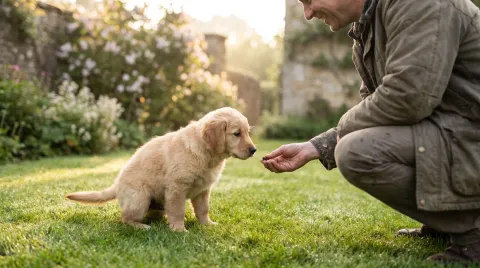
House training a puppy: the schedule that actually works
Most house-training failures are a supervision problem, not a stubborn puppy. The realistic age-based schedule, the signals to watch for, and how to recover from a setback.
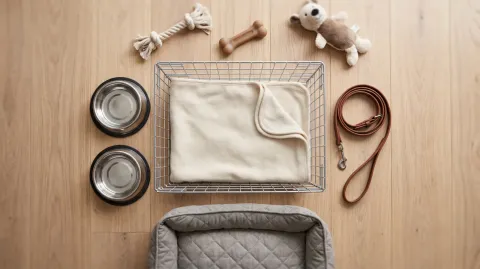
Leash training a puppy, from first steps to real walks
A puppy's first collar and lead should feel like nothing at all. The gentle, reward-based route from wearing the gear indoors to a calm walk outside, and what to do differently for a natural puller.

How to socialize a puppy: the critical window, done right
A puppy's sensitive period for accepting new things as normal narrows sharply by around 16 weeks. What to expose it to, why every single experience has to end well, and where more is not automatically better.
New pet
Open topic →
Why adopt an adult dog instead of a puppy
An adult dog shows you its size, coat and temperament from day one, and is often already house-trained, for an easier start than a puppy.

Small, medium or large? Choosing a dog's size
Size sets food bills, strength on the lead and lifespan, but not energy. Match a dog's temperament first, then choose small, medium or large.

New puppy checklist: everything to buy and prepare
Your complete new-puppy checklist: what to buy, how to puppy-proof, and how to plan the first days before your puppy comes home.

Dog-proofing your home and garden
Dog-proof your home and garden before you adopt: fix indoor hazards, secure the fences and gate, clear toxic plants, and set up the dog's own space.
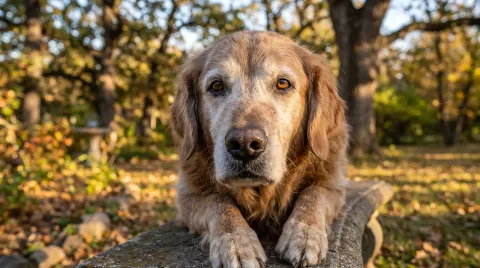
Adopting a senior dog or cat
What to expect when you adopt an older dog or cat: the calm, the fast bond, the vet planning, and the honest trade-off of less time.
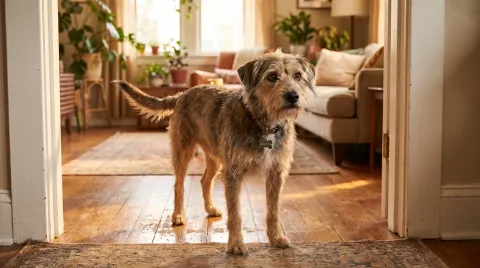
The 3-3-3 rule for a newly adopted dog
The 3-3-3 rule sets simple expectations for a rescue dog's first days, weeks and months, so you know what settling in really looks like.
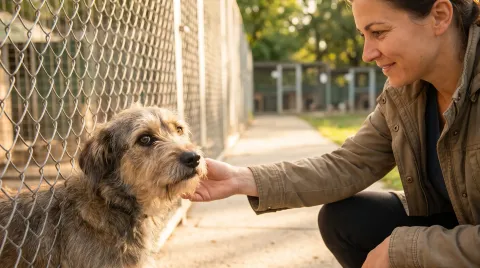
How to adopt a dog or cat from a shelter
A calm, step-by-step guide to adopting a dog or cat from a shelter or rescue, from where to search to the screening, the fee and the first days home.
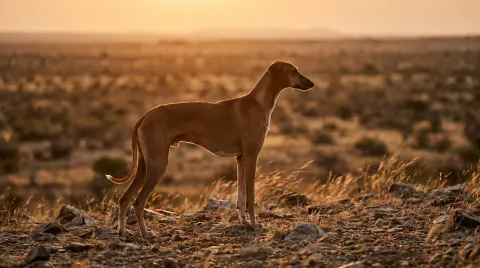
8 rare dog breeds most people never meet
Eight of the world's rarest dog breeds — where they come from, what makes them unusual, and why you almost never see one.
Life stage
Open topic →
The oldest dog ever and how long dogs really live
Bluey reached 29 years. Bobi's 31-year claim fell apart. Here's the real math on dog lifespan, and how to buy your dog more time.

Senior dog care: what actually changes
An honest guide to a dog's later years: when old age starts, what to watch for, and how to keep the good days coming.
Bringing a puppy home: the first 48 hours
A calm, hour-by-hour plan for a puppy's first two days at home — from puppy-proofing to the first night in the crate.

Puppy vaccinations and the first-year vet timeline
The honest first-year shot schedule, why puppies need a series and not one jab, and how to socialise before the course is finished.

Is my old dog in pain? The signs they hide
Older dogs mask arthritis by instinct, so the pain shows up as small quiet changes. Here is what to watch for, and how to help.
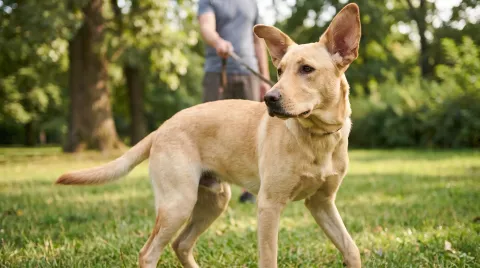
The adolescent dog: surviving the teenage phase
Somewhere around six months your trained puppy 'forgets' everything and stops listening. That's adolescence — it's real, it's neurological, and it's when most dogs get given up. Here's how to get through it.

When is a dog an adult? Age milestones by size
Small dogs grow up fast and age slowly; giant breeds are seniors at 6. The real age milestones for every size, and why size flips the whole timeline.

Your puppy's first year: the full timeline
From 8 weeks to 12 months, stage by stage — vaccinations, the socialization window, teething, the teenage phase, neutering and the switch to adult food.
Breeds & origins
Open topic →Dog breeds named after the wrong country
The Great Dane is German. The Australian Shepherd is American. Breed names are charming, and they are terrible geography.
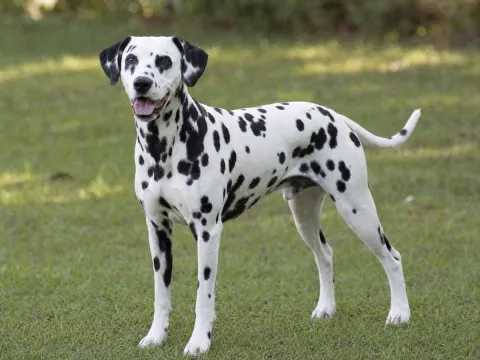
Who invented dog breeds, and when
Most 'ancient' breeds are younger than the bicycle. The breed as we know it was invented by Victorians with a stud book, in about 1873.
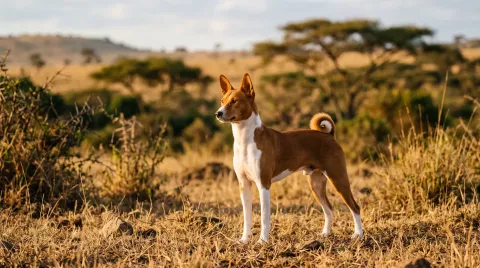
Which dog breeds are actually ancient?
Genetics keeps naming the same handful of breeds as “ancient” — but that word means isolated from the Victorian breed factory, not unchanged since antiquity.

National dog breeds: how a dog becomes a country's symbol
A nation doesn't just adopt a breed. Somewhere there's paperwork, a patron country, and an official standard. Here's the machinery, and the cases that actually hold up.

The village dog: the real default, and why your breed is the odd one out
Most dogs on Earth are free-ranging scavengers, not purebred pets. The breed is the recent human invention sitting on top of a much older, stabler kind of dog.

The dog breeds that vanished — and the one a 2023 genome brought back into focus
A woolly dog from the Pacific Northwest, a spit-turning kitchen worker, and the working landrace behind every retriever: what killed them, and what modern DNA can and cannot recover.
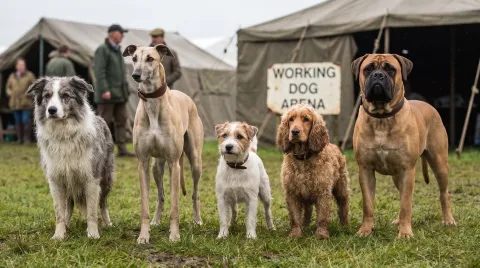
Seven groups, ten groups, three answers: how dog breeds get sorted
Kennel clubs sort several hundred breeds into a handful of groups. Here is how those lines were drawn, why the AKC's seven don't match the FCI's ten, and why the Standard Schnauzer belongs to three groups at once.
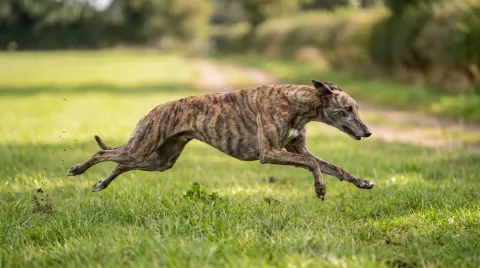
The fastest dog breeds, and how fast they really go
The Greyhound hits about 72 km/h — second only to the cheetah, and the winner over any real distance. Honest top speeds for the sighthounds and the surprises, plus how fast a Dobermann actually is.

The smallest dog breeds in the world
The Chihuahua is officially the smallest, at 1.5–3 kg. Here are the toy breeds just above it — and an honest warning about the 'teacup' label, which is marketing, not a breed.

Low-shedding dog breeds, ranked from our own data
We scored every breed for shedding, 1 to 5. Here are the ones that scored lowest — the curly coats worth the grooming bill, the genuinely low-maintenance short-hairs, and why none of them are hypoallergenic.
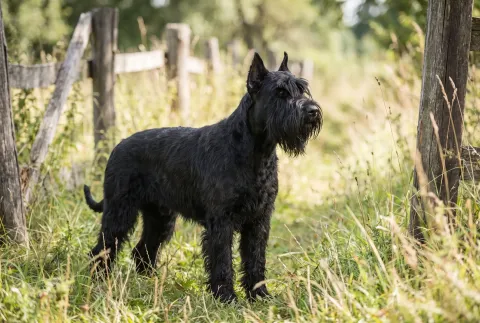
Are Schnauzers terriers? No — here's their real group
They've got the beard, the wiry coat and the attitude, but Schnauzers aren't terriers. Why the world's biggest registry files them somewhere else entirely.
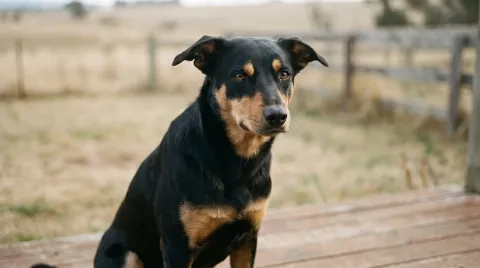
What is a Kelpie? Australia's tireless farm dog
The Australian Kelpie is a medium herding dog built for endless work in brutal heat. What it is, how big it gets, whether it sheds, and who it actually suits.

Is a Cockapoo a breed? What designer crosses really are
A Cockapoo is a hugely popular dog — but not a breed any major registry recognises. Why a cross isn't a breed, what F1 and F1b actually mean, and why it matters.
Evolution
Open topic →What selective breeding actually does to an animal
Choosing which animals have babies is the most powerful force in a pet’s biology. A Soviet fox experiment shows how fast it works — and how much it costs.
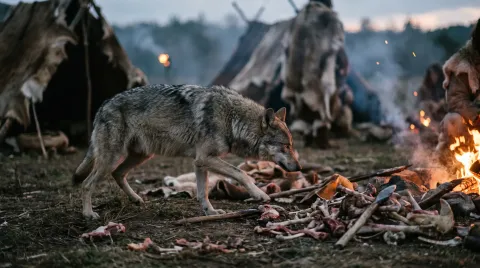
Are dogs and wolves the same species?
Technically yes — a dog is a subspecies of grey wolf, and the two make fertile pups. But a dog is not a tame wolf, and the differences run deeper than looks.
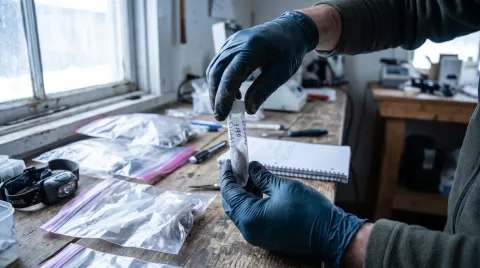
How we know: reading the ancient DNA of dogs and cats
The story of pet origins was rewritten in the last fifteen years — not by new bones, but by pulling readable DNA out of old ones. Here is how that actually works.