Best cats for apartments
Calm, indoor-content breeds that take small-space living in their stride — ranked by temperament, activity level and how well they cope with staying in.
Prefer a personal match? Take the 60-second breed finder →
The ranked shortlist
Hand-picked by our editors using breed trait profiles — scores are out of 5.
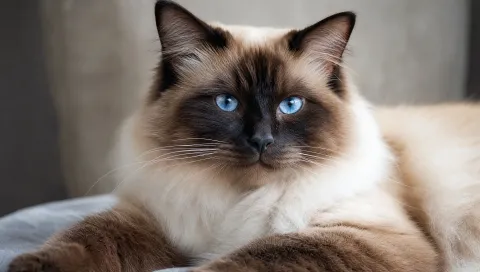
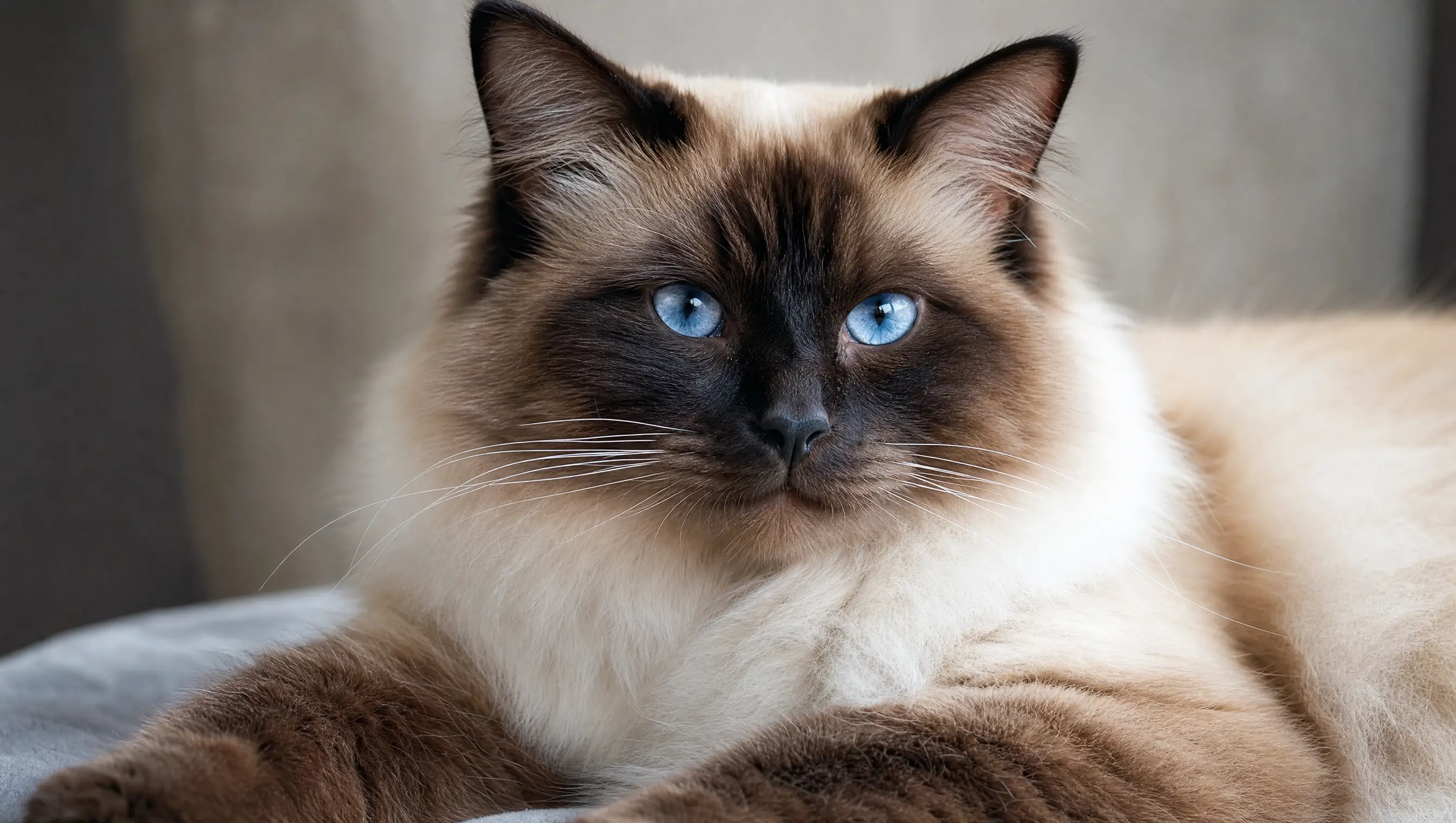
1. Ragdoll
5/5The cat that goes limp in your arms and would rather be underfoot than up high.
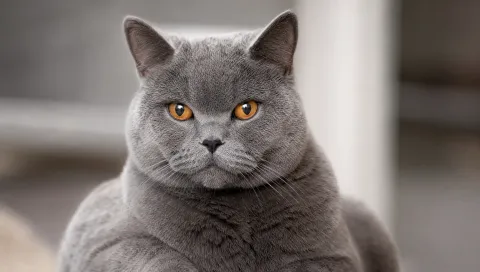
2. British Shorthair
5/5Round eyes, round cheeks, and a firm four-on-the-floor policy about being picked up.
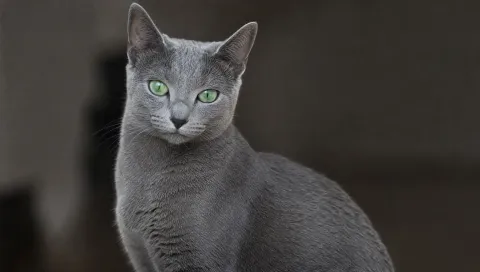
3. Russian Blue
4/5Quiet, plush and cautious — a cat that earns its way to you rather than leaping into your arms.
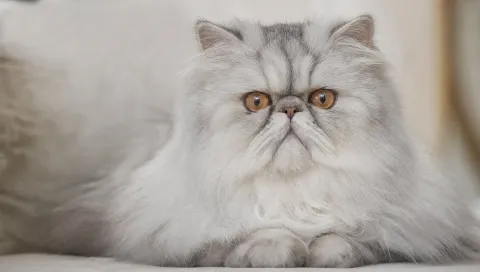
4. Persian
4/5A furry cushion with opinions — placid, plush, and happiest ruling the sofa.
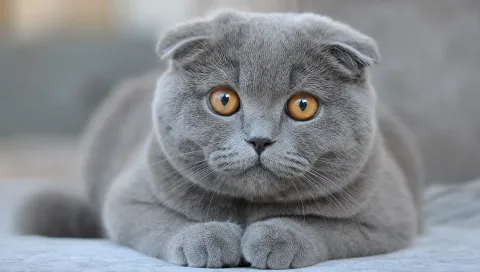
5. Scottish Fold
4/5The owl-faced charmer whose signature ears come with a hard genetic catch.
The picks, in detail
1. Ragdoll
A Ragdoll treats a two-room flat as a complete world. It keeps to the floor, follows you from room to sofa, and its idea of exercise is a gentle wand-toy session. The silky coat needs a comb just twice a week — easy to stay on top of in a small space.
2. British Shorthair
The British Shorthair is the easiest housemate on this list: quiet, unflappable, happy to hold the sofa while you work. It doesn't climb curtains or yell at closed doors, and it copes with alone-time better than almost any breed. Keep the food measured — placid cats gain weight.
3. Russian Blue
Quiet by nature and devoted to its own people, the Russian Blue suits apartment life beautifully: one person, one routine, one favourite windowsill. It loses a point only because strangers and chaos stress it — a calm household is part of the deal.
4. Persian
No cat asks less of your floor plan. A Persian's day is a circuit of cushions, and its voice is a murmur the neighbours will never hear. The trade is maintenance, not space: the coat needs a daily comb and the flat face daily eye care.
5. Scottish Fold
Placid, quiet and content in a small home, the Scottish Fold is an easy flat-mate on temperament alone. Be aware before you fall for the ears: the fold comes from a cartilage gene with real welfare debate around it, so read the breed profile and choose a breeder with care.
What makes a good apartment cat
Floor space matters far less than temperament. Look for a calm cat that is content indoors, a moderate activity level rather than a wall-climbing livewire, and a sociable nature that copes with being home alone. Give any indoor cat vertical space — a tall cat tree or shelves — plus daily play and a scratching post, and a flat suits it perfectly well.
Common questions
Can a cat really be happy in a small apartment?
Yes. Cats measure territory in climbing opportunities and routine, not square metres. A tall cat tree or shelves, a window to watch, daily play and a clean litter tray matter far more than floor area — and the calm breeds on this list ask even less.
Do apartment cats need to go outside?
No. An indoor cat with vertical space, play and company lives, on average, considerably longer than a roaming one. If you want to offer outdoor time, a balcony secured with cat netting or harness walks are the apartment-friendly versions.
What about scratching the furniture?
Every cat scratches — it's territorial marking and claw care, not misbehaviour. Give an apartment cat at least one tall, stable scratching post in each room you actually live in, and the sofa usually survives.