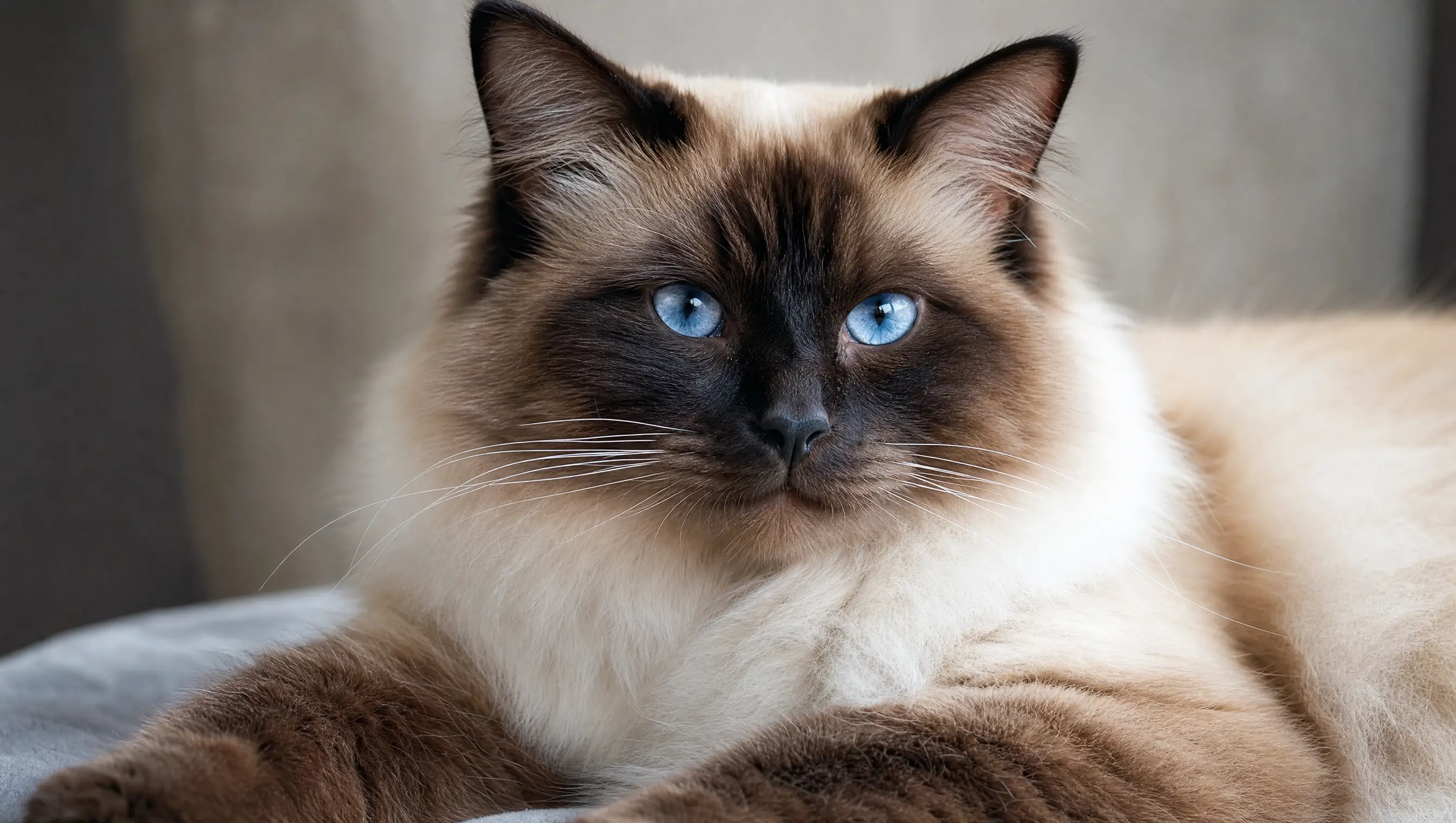
Best indoor cats
Calm, home-loving breeds that thrive as indoor-only cats — ranked by temperament and how well they cope without outdoor roaming. Any cat can live happily indoors with the right enrichment; some just take to it more naturally.
Prefer a personal match? Take the 60-second breed finder →
The ranked shortlist
Hand-picked by our editors using breed trait profiles — scores are out of 5.
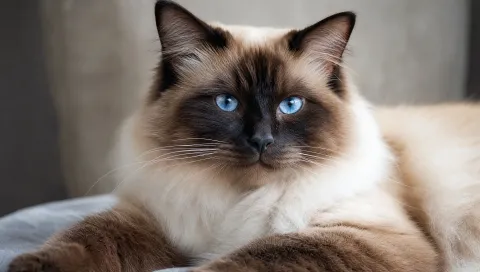
1. Ragdoll
5/5The cat that goes limp in your arms and would rather be underfoot than up high.
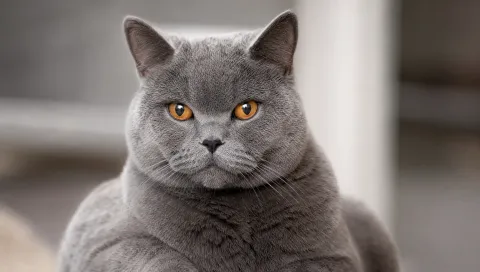
2. British Shorthair
5/5Round eyes, round cheeks, and a firm four-on-the-floor policy about being picked up.
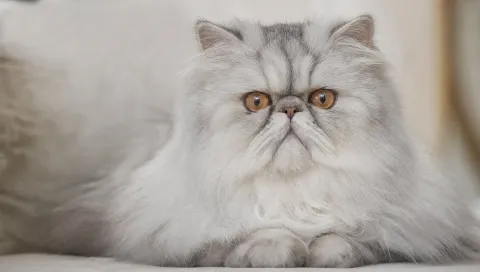
3. Persian
4/5A furry cushion with opinions — placid, plush, and happiest ruling the sofa.
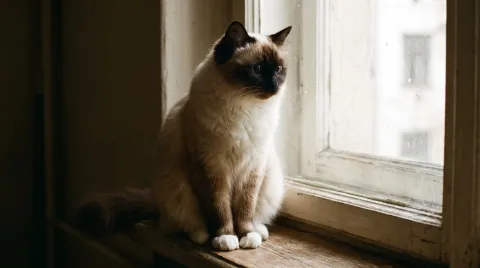
4. Birman
4/5Pointed like a Siamese, calm like nothing else, and wearing four white gloves.
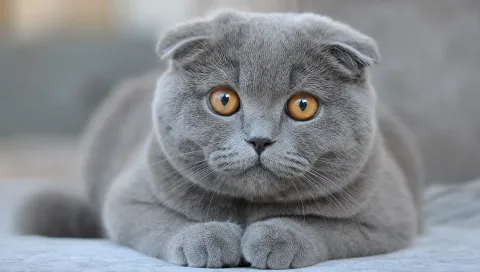
5. Scottish Fold
4/5The owl-faced charmer whose signature ears come with a hard genetic catch.
The picks, in detail
1. Ragdoll
The Ragdoll isn't just suited to indoor life — it should live indoors: the breed's trusting, unflappable nature is a liability around traffic and strangers. Inside, it's in its element, drifting between sofa, lap and windowsill.
2. British Shorthair
No breed turns staying in into a lifestyle quite like the British Shorthair. It has no urge to roam, treats the window as television, and keeps itself occupied without wrecking anything. Watch the waistline: indoor plus placid means strict portions.
3. Persian
The Persian was built for the drawing room; the outdoors is wasted on it, and the long coat collects everything it touches out there anyway. Indoors it is serene, ornamental and quietly affectionate — in exchange for a daily comb.
4. Birman
A Birman fills an indoor day well: bursts of play, a patrol of the flat, then a long settle beside you. Boredom problems rarely develop, especially with a companion cat or a person who's often home.
5. Scottish Fold
Calm and home-loving, the Scottish Fold takes to indoor living without complaint — a window perch and a daily play session cover its needs. Know the breed's story before choosing one: the folded ear comes from a cartilage gene with genuine welfare concerns.
Any cat can be indoor — with enrichment
The cats that settle best indoors tend to be calm, people-oriented and content without the drive to roam and hunt outdoors. But the breed matters less than the setup: a bored indoor cat gets destructive or stressed, so every indoor-only cat needs daily play, a scratching post, vertical space to climb and survey, window perches, and puzzle feeders to work for food. Keep more than one cat, or spend real time playing, if the cat is very social. Keeping a cat in also protects wildlife and keeps the cat safe from traffic and disease — a fair trade, as long as you replace the outdoors with a rich indoor world.
Common questions
Is it cruel to keep a cat indoors?
Not with the right breed and setup — the calm, home-oriented cats on this list genuinely don't miss the outdoors. Indoor cats avoid the traffic, fights, poisons and diseases that shorten roaming cats' lives. The obligation is enrichment: vertical space, play, scratching posts and company.
How much space does an indoor cat need?
Less than you'd think, used better than you'd think. Cats count territory vertically, so a tall cat tree, cleared shelf routes and a window perch turn a small flat into a full territory. A bored cat in a mansion is worse off than a busy cat in two rooms.
How do I keep an indoor cat from getting fat?
Measure the food — don't free-feed — and make the cat work for some of it with puzzle feeders and daily play. Indoor life cuts the calorie burn, and the placid breeds on this list gain weight quietly. Weigh the cat monthly; the scale catches what your eye misses.