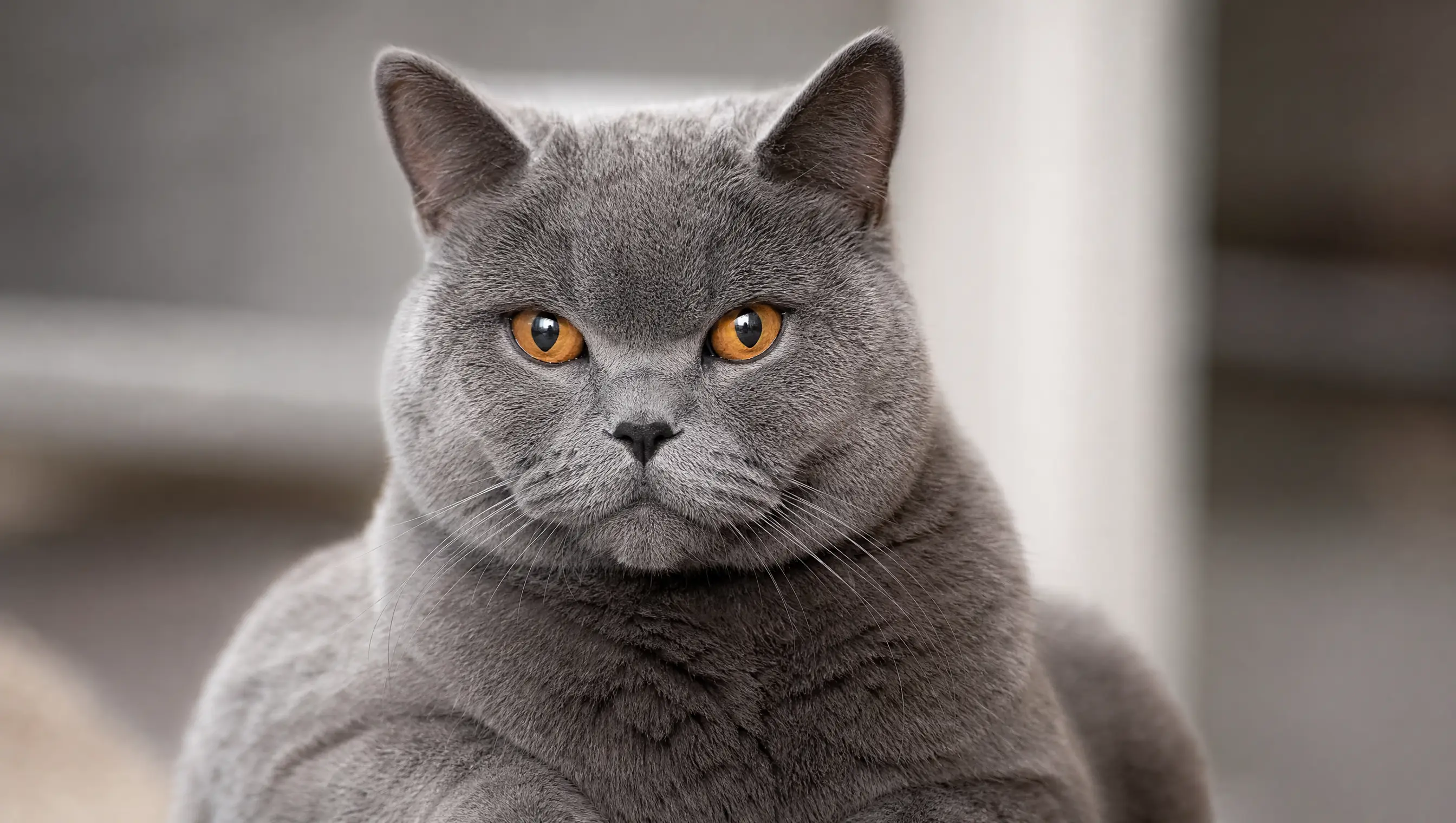
Best cats for first-time owners
Easygoing, forgiving and undemanding — the breeds that make a gentle introduction to cat ownership, ranked by temperament and how little they ask of a new owner.
Prefer a personal match? Take the 60-second breed finder →
The ranked shortlist
Hand-picked by our editors using breed trait profiles — scores are out of 5.
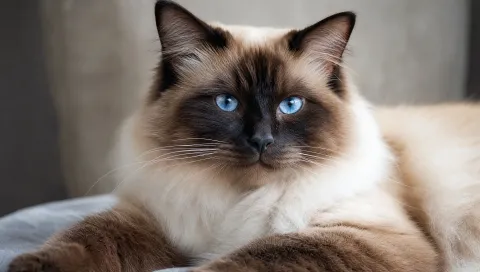
1. Ragdoll
5/5The cat that goes limp in your arms and would rather be underfoot than up high.
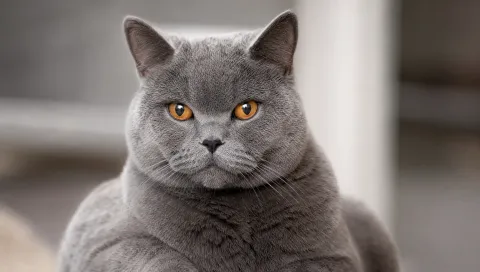
2. British Shorthair
5/5Round eyes, round cheeks, and a firm four-on-the-floor policy about being picked up.
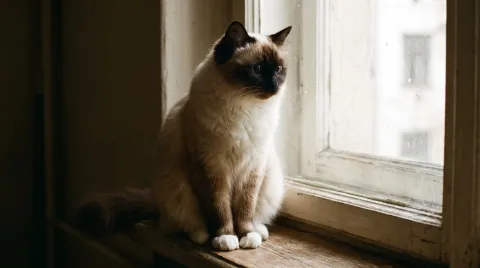
3. Birman
4/5Pointed like a Siamese, calm like nothing else, and wearing four white gloves.
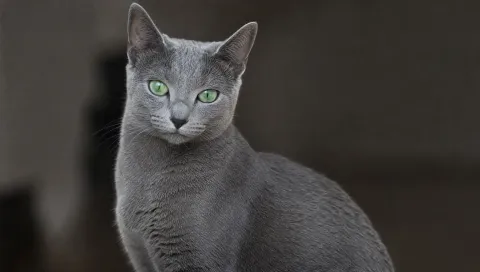
4. Russian Blue
4/5Quiet, plush and cautious — a cat that earns its way to you rather than leaping into your arms.
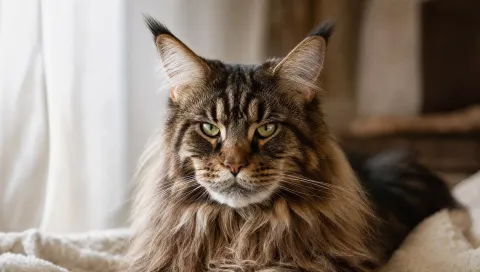
5. Maine Coon
4/5The dog of the cat world — huge, shaggy, and far too friendly to sulk.
The picks, in detail
1. Ragdoll
Everything hard about cats is turned down on a Ragdoll: it's tolerant, affectionate, quiet and forgiving of beginner mistakes. The grooming is honest work but simple — a comb twice a week — and the breed's placid nature means an indoor setup is the right call from day one.
2. British Shorthair
The British Shorthair forgives everything a first-time owner gets wrong. It doesn't need entertaining, doesn't protest a work schedule, and sets its own clear limits — most beginners' only real job is measuring the food. The complete starter cat.
3. Birman
Playful enough to be fun and calm enough to be easy, a Birman gives a new owner the full cat experience without the extremes. The silky coat rarely mats, so grooming stays a pleasant routine rather than a chore.
4. Russian Blue
A gentle introduction to cat ownership for a quiet person or couple: the Russian Blue is clean, healthy, undemanding and deeply loyal. It asks one thing of a beginner — a steady routine, and patience with its shyness around strangers.
5. Maine Coon
A first cat you can treat like a dog: sociable, trainable, up for fetch and even harness walks. The Maine Coon sits at 4/5 only because of scale — more coat to comb, more cat to feed, and a real need for space and play that a beginner must plan for.
What makes a good beginner cat
The easiest first cats are even-tempered, tolerant of a learning owner, and predictable rather than highly strung or intensely demanding. It helps to avoid the extremes at first — the most vocal, high-energy or needy breeds — until you have found your feet. Whatever you choose, an adult cat from a shelter is often the gentlest start of all, because its personality is already known.
Common questions
Should a beginner get a kitten or an adult cat?
An adult, more often than people expect. A grown cat's temperament is already visible, it usually arrives litter-trained, and it forgives a working schedule far better than a kitten, which needs near-constant supervision for months.
What does a first cat actually cost?
Plan for the one-off setup — carrier, litter tray, scratching post, neutering if it isn't done — and then the running costs: food, litter, insurance and an annual vet check. Budget for 15 years or more; the purchase price is the smallest number involved.
One cat or two?
For the breeds on this list, one is fine if someone's regularly home. If the flat is empty all day, two cats — ideally a bonded pair — keep each other company and spare you coming home to boredom problems.