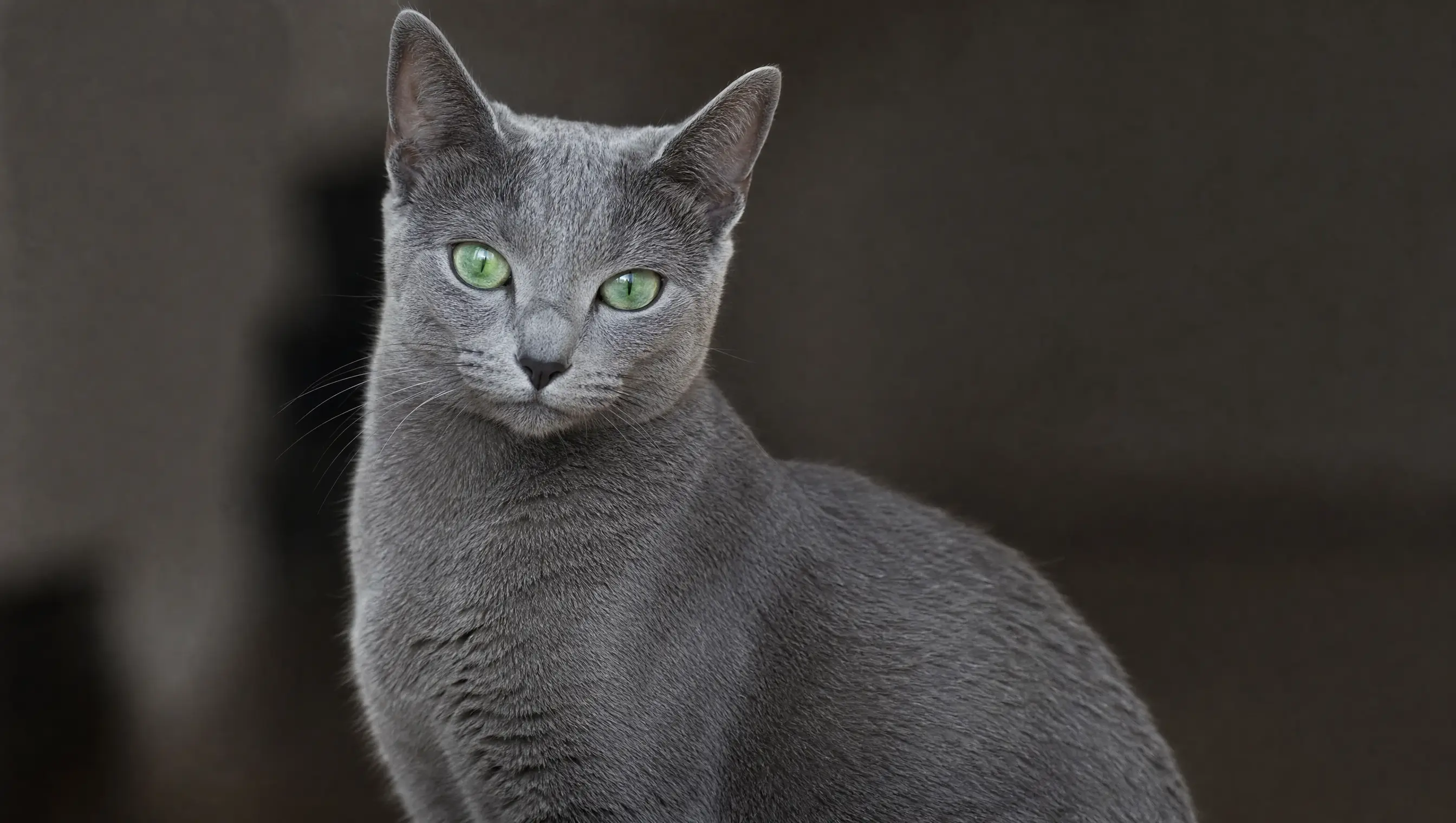
Best low-maintenance cats
Short-coated, even-tempered and healthy breeds that ask for little grooming and fuss — ranked by coat care, independence and constitution. Low-maintenance never means no maintenance.
Prefer a personal match? Take the 60-second breed finder →
The ranked shortlist
Hand-picked by our editors using breed trait profiles — scores are out of 5.
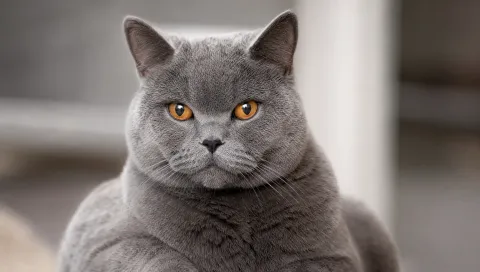
1. British Shorthair
5/5Round eyes, round cheeks, and a firm four-on-the-floor policy about being picked up.
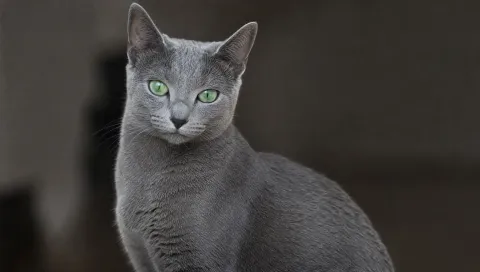
2. Russian Blue
5/5Quiet, plush and cautious — a cat that earns its way to you rather than leaping into your arms.
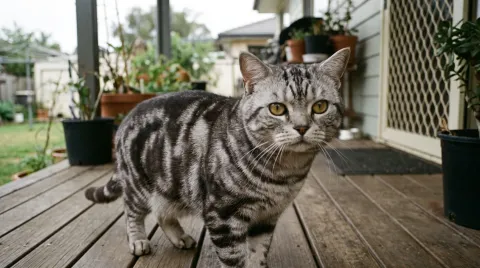
3. American Shorthair
4/5The working cat that stayed a working cat, then had its portrait taken.
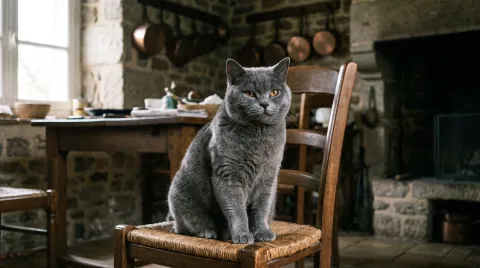
4. Chartreux
4/5A heavy blue cat on fine legs, with copper eyes and hardly a word to say.
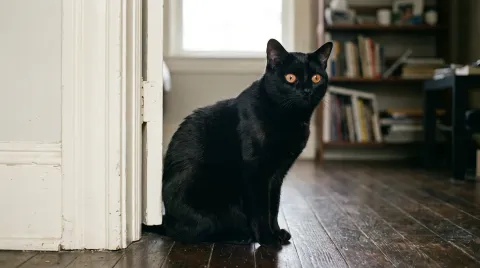
5. Bombay
4/5A house panther, built on purpose — black to the roots, copper-eyed, and permanently on your lap.
The picks, in detail
1. British Shorthair
The benchmark. A weekly brush, measured meals and a scratching post cover the British Shorthair's entire care plan, and its temperament asks even less: it entertains itself, tolerates alone-time and has no drama in it.
2. Russian Blue
Short coat, minimal shedding, no breed-specific health tests to chase, lifespans that run 15 to 20 years: the Russian Blue is about as easy to keep as a pedigree cat gets — provided its one requirement, a calm and steady home, is met.
3. American Shorthair
Bred from working stock, the American Shorthair still runs on working-cat durability: an easy coat, sturdy health and a temperament that adapts to whatever the week throws at it. Weekly brush, annual check-up, done.
4. Chartreux
France's quiet blue cat barely uses its voice and never wastes energy. The woolly coat wants a comb-through once a week, more during the spring moult, and the cat itself wants little beyond your company at a civilised distance.
5. Bombay
The Bombay's patent-leather coat is as close to zero-grooming as cats get: a weekly hand-over or a polish with a chamois keeps the shine. 'Low maintenance' here means the coat, not the company — this is a heat-seeking people-lover that wants you around.
Low-maintenance never means no-maintenance
An easy-care cat usually has a short coat that needs only occasional brushing, an independent but content temperament, and a sound constitution without breed-linked problems that mean frequent vet trips. Steer clear of long, dense coats that mat, and of the flat-faced breeds prone to eye and breathing issues. Even the easiest cat still needs daily food and fresh water, a clean litter tray, play and company, and regular health checks.
Common questions
Is any cat truly zero-maintenance?
No. Every cat needs daily fresh food and water, a clean tray, play and company, plus an annual vet check. Low-maintenance on this list means minimal grooming, sturdy health and a temperament that doesn't need managing — not a pet you can ignore.
Which cats can be left alone during a workday?
The breeds here cope with a normal workday, the British Shorthair and American Shorthair best of all. No cat does well with routine 12-hour absences; at that point a bonded pair — or a different pet — is the honest answer.
Are short-haired cats always less work?
Mostly, but not automatically. Some shorthairs — the Bengal, the Abyssinian — are demanding in energy instead of grooming. The genuinely low-work combination is a short, dense coat plus a placid temperament, which is exactly what this list selects for.