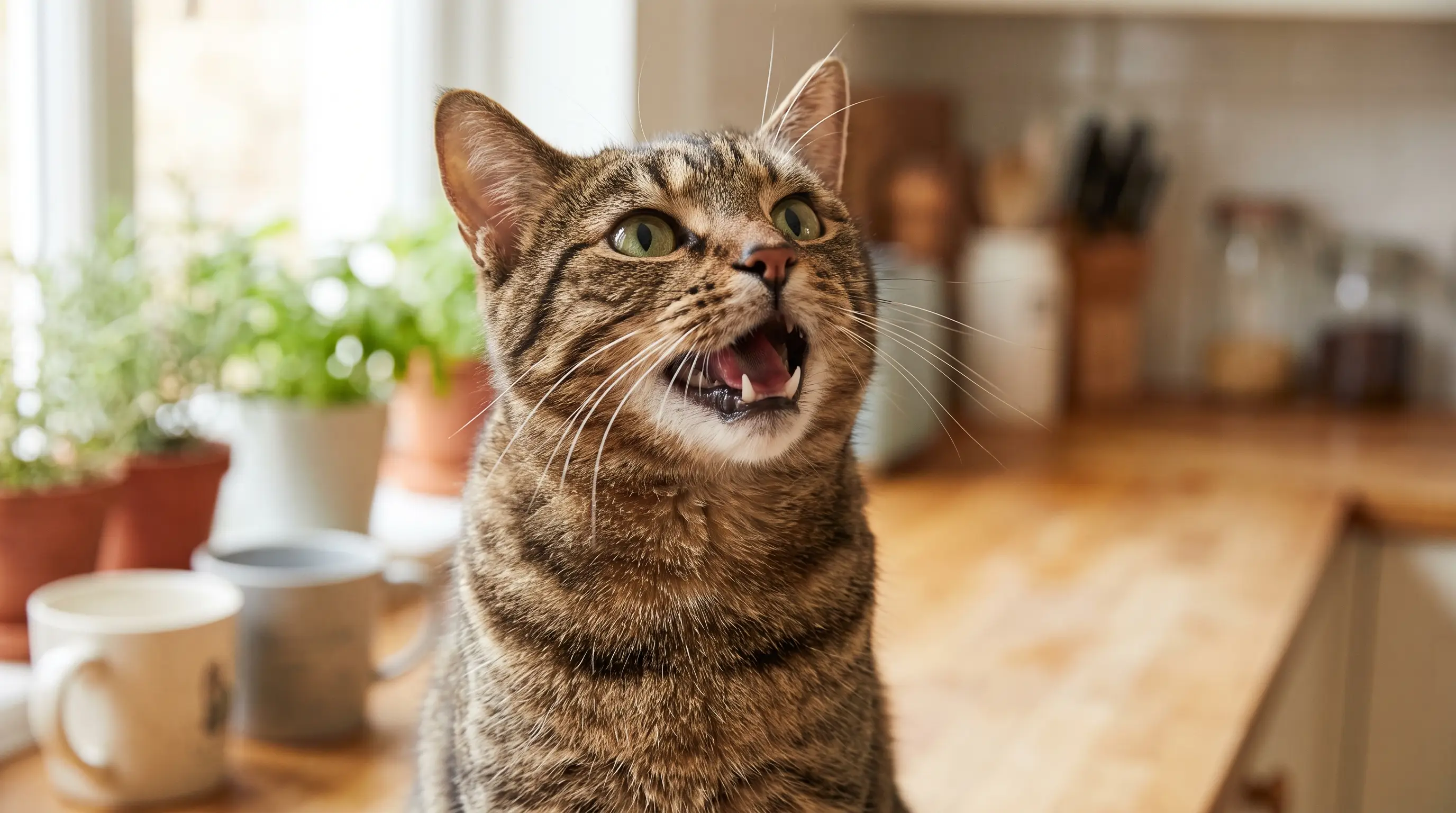
What your cat's meow actually means
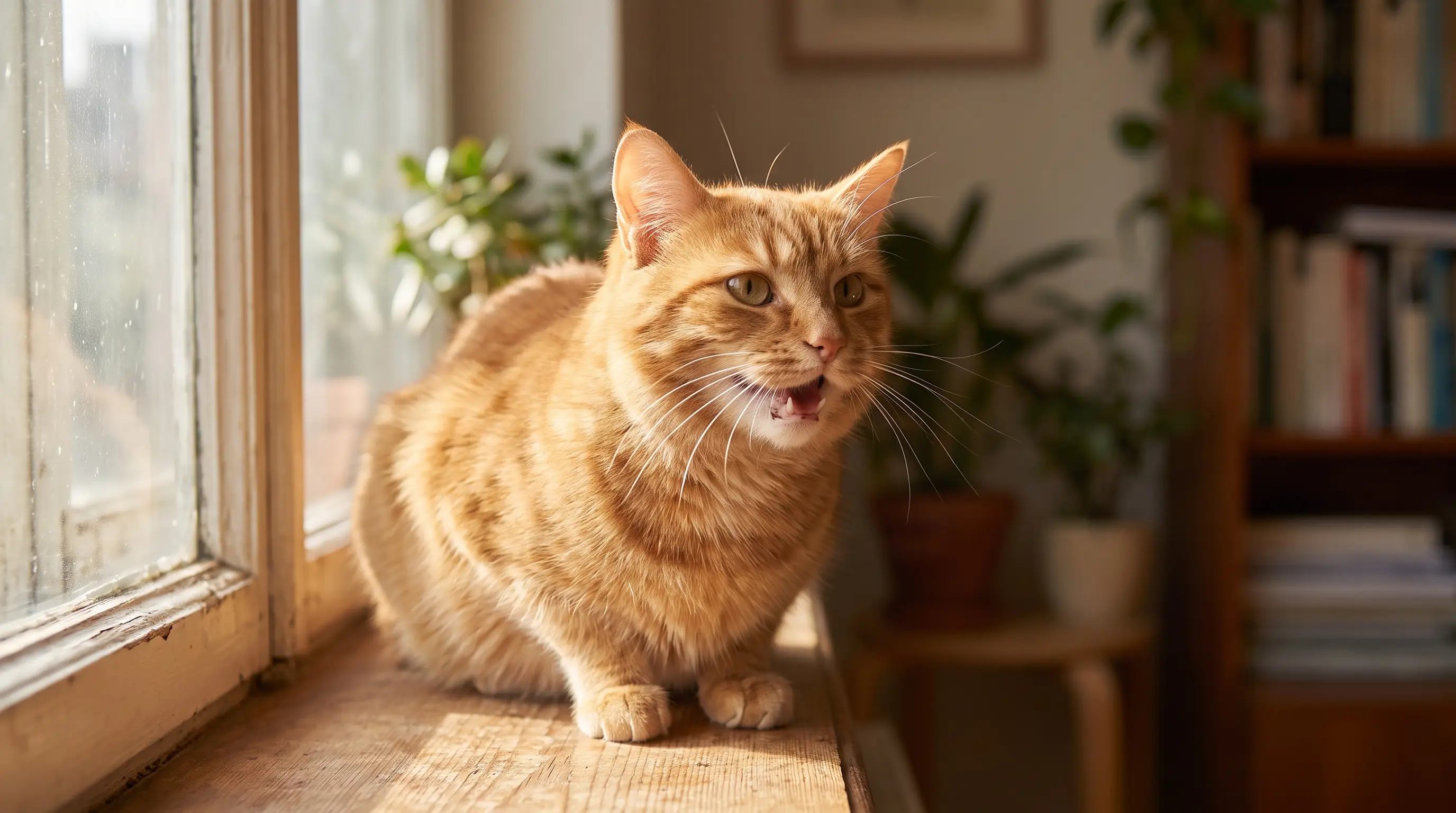
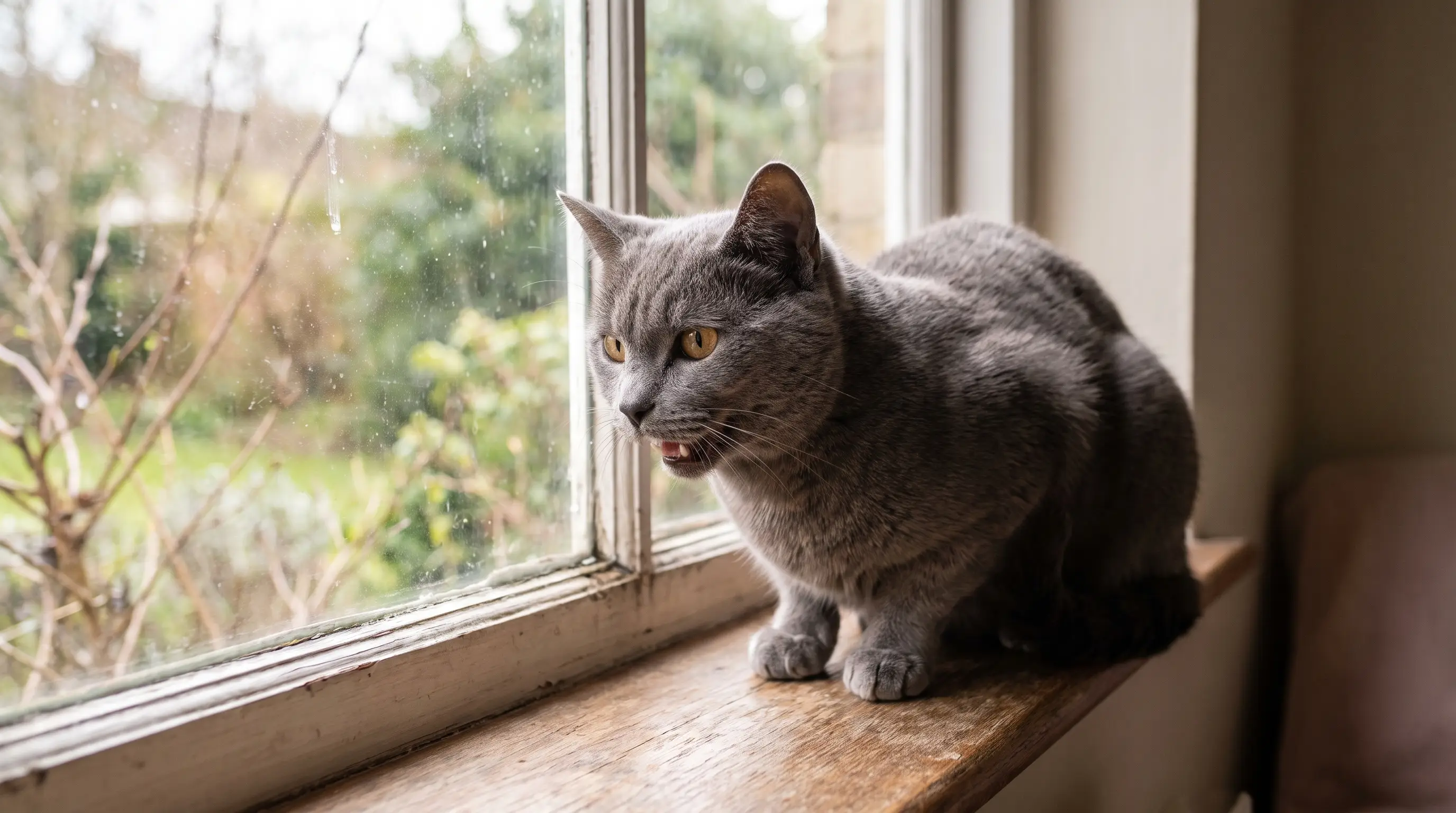
Your cat almost never meows at other cats. Meowing is a language cats developed for one audience specifically: humans. Feral and free-living adult cats talk to each other mostly through scent, posture, and facial signals, and they save the vocal begging for kittenhood. The cat on your kitchen floor kept meowing into adulthood for one reason: with us, it works.
Why cats meow at humans, not each other
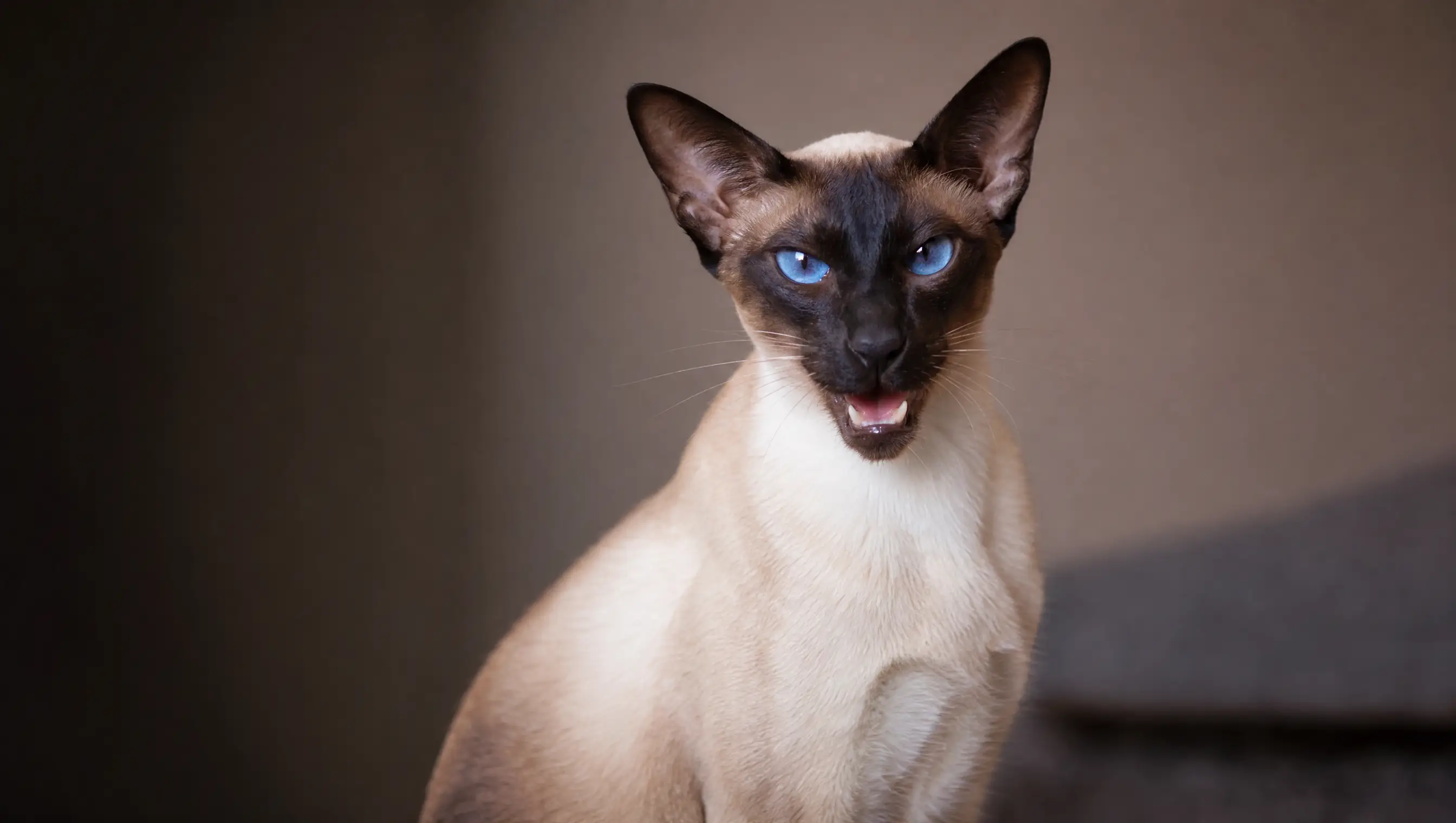
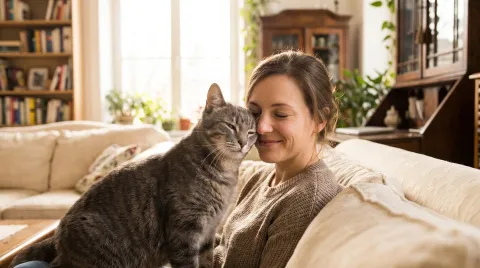
Adult cats rarely meow at one another because they don't need to. Their wild relatives communicate through scent marking, body language, and facial expression, and kittens meow only at their mothers to beg for food or warmth. Domestic cats never fully drop that kitten behavior. They learned that we are poor at reading scent and subtle body signals, so they aim the one signal we do respond to straight at us. Research by John Bradshaw and others found that house cats meow far more than their wildcat ancestors, and that the meow itself has shifted over domestication into a sound humans find harder to ignore. Cats even tailor their calls to the individual person, developing a private vocabulary each owner learns to read but a stranger often can't. Some breeds are simply louder about it, and the Siamese is famous for holding a running commentary all day. If you want to hear what feline communication sounds like without a human in the picture, our piece on wild cats shows how much of it happens in silence.