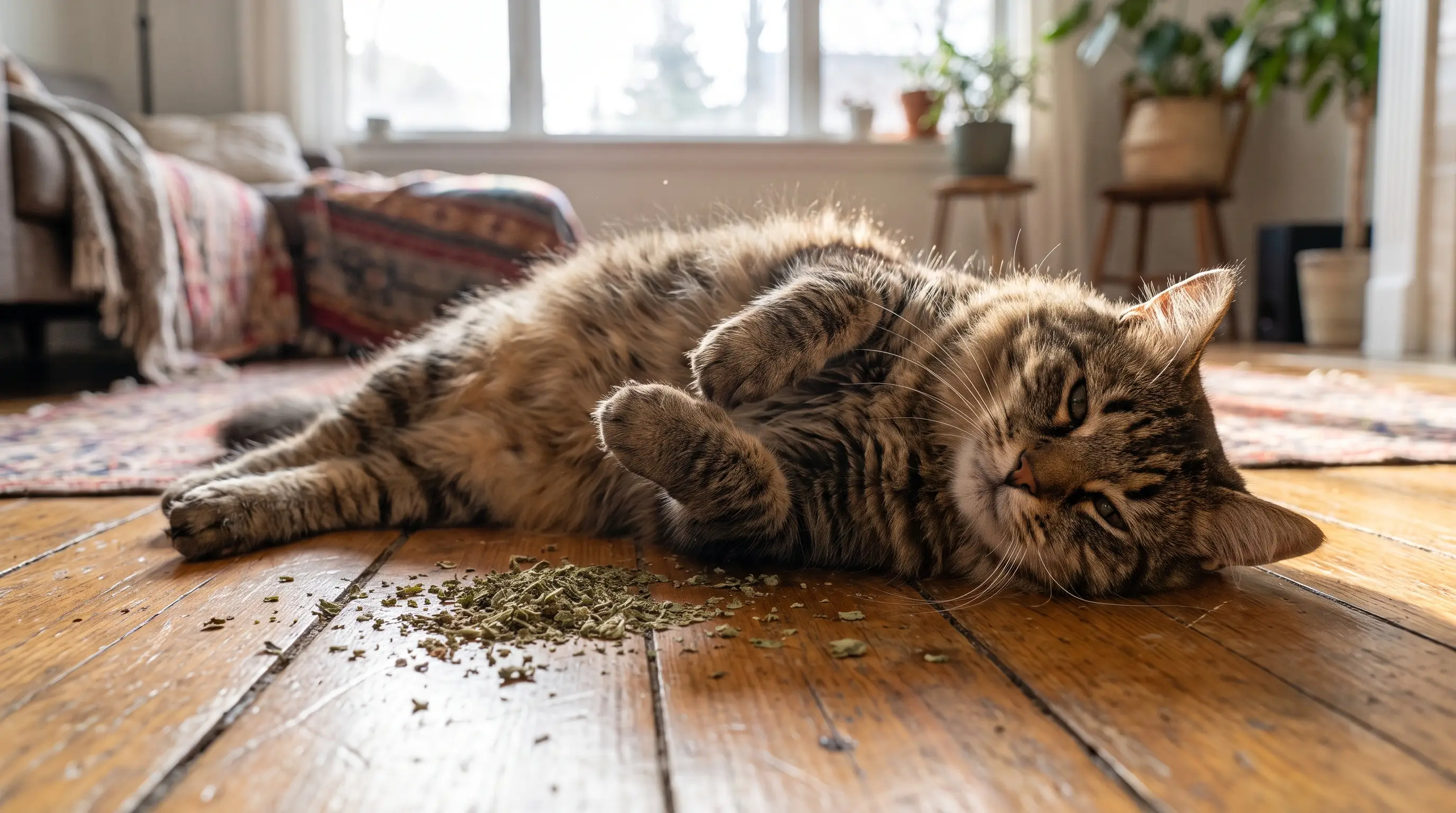
What catnip really does to a cat
Catnip makes some cats briefly euphoric because a compound in the plant called nepetalactone triggers a scent response in the brain. A cat sniffs it, rolls, rubs, drools and zones out for about ten minutes, then loses interest for the next 30 minutes to 2 hours no matter how much you offer. It is not a drug in any dangerous sense: catnip is non-toxic, non-addictive, and not a hallucinogen. And roughly 1 in 3 cats feel nothing at all, because the reaction is genetic.
How catnip actually works
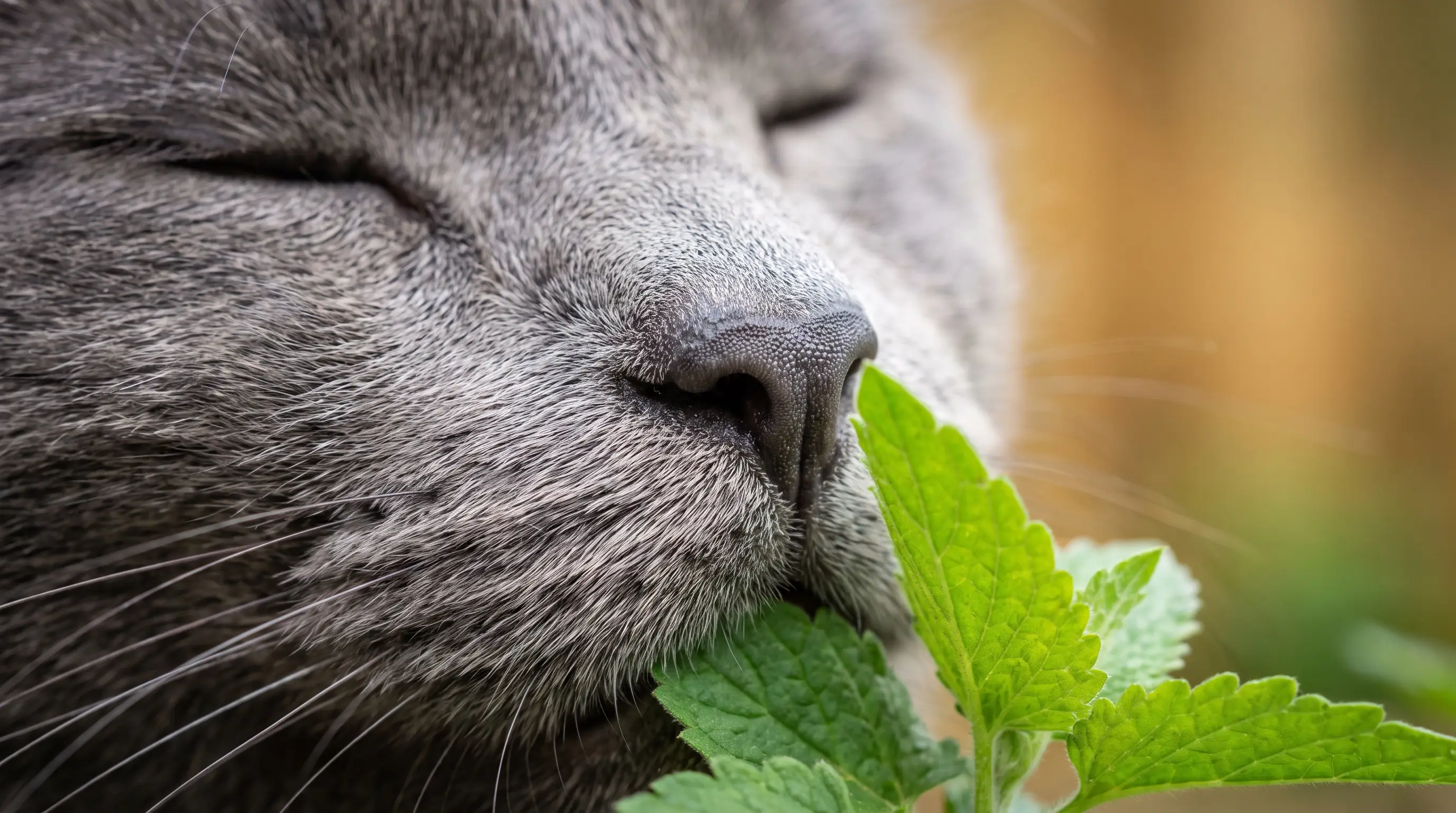
Catnip works through smell, not taste. The plant (Nepeta cataria, known in Italian as erba gatta) contains nepetalactone, an oil the cat detects through scent receptors, which briefly stimulates the parts of the brain tied to reward and social behavior. The result is a short burst of euphoria: rolling, face-rubbing, cheek-marking, drooling, and a glazed, faraway stare. The whole episode lasts around ten minutes. After that the cat enters a refractory period of roughly 30 minutes to 2 hours, and during that window a second dose does nothing. Because the response runs through the nose, a cat gets the full effect from sniffing dried leaves or a stuffed toy; it does not need to eat the plant to react.
Why some cats ignore catnip completely
About 1 in 3 cats do not react to catnip at all, and that is normal, not a defect. Sensitivity to nepetalactone is genetic and heritable, so a cat either inherits the response or it doesn't. Kittens are also unresponsive until roughly 3 to 6 months of age, so a young kitten showing no interest may simply be too young. This is true across ordinary house cats and pedigreed breeds alike; a domestic shorthair is no more or less likely to respond than a purebred. If your cat stares at the catnip and walks away, the plant isn't stale and you did nothing wrong; the wiring just isn't there.
Catnip is not cat grass (and not a drug)
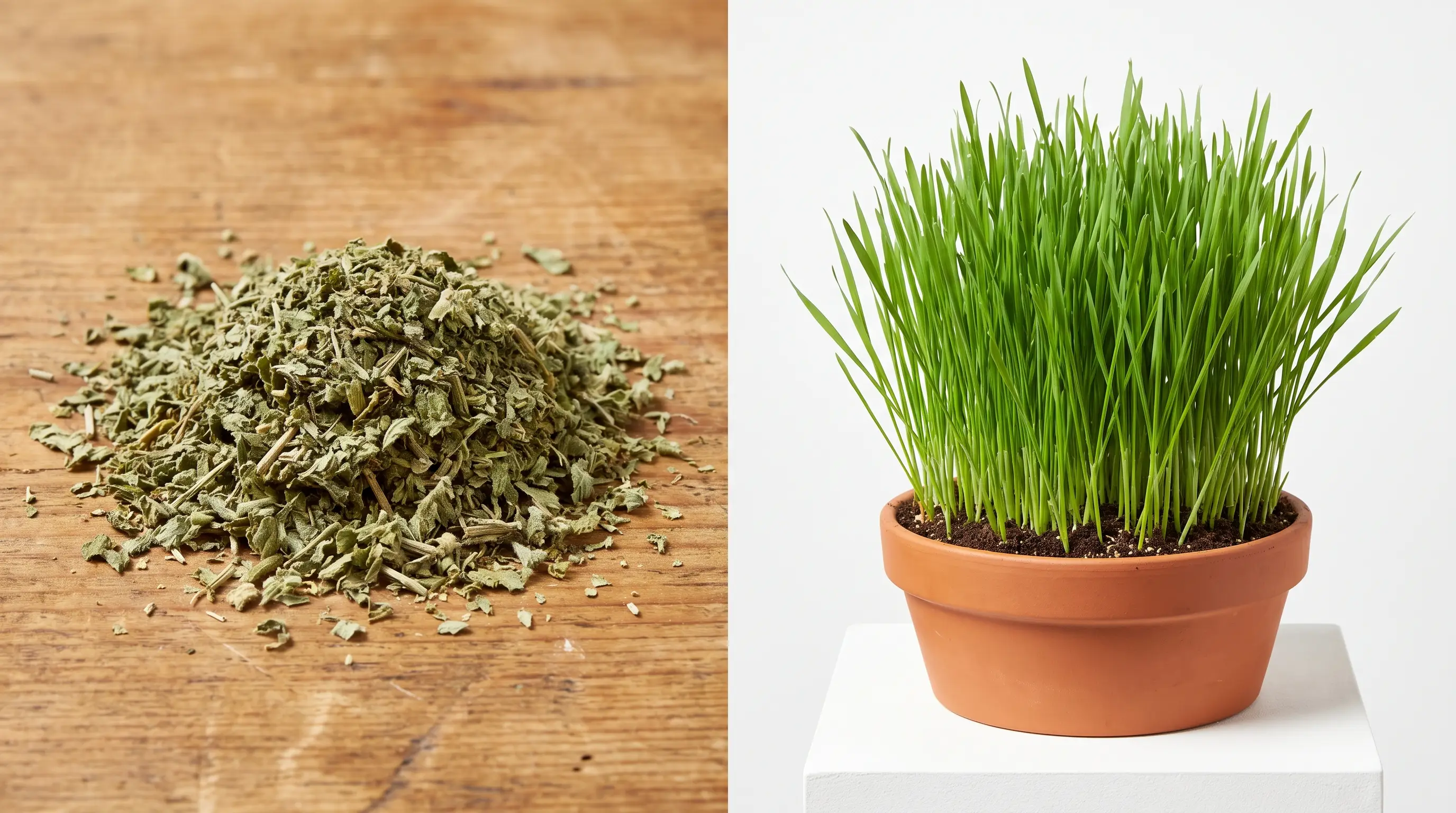
Catnip and cat grass are two different plants with two different jobs, and mixing them up is the most common mistake owners make. Catnip (erba gatta, Nepeta cataria) is smelled for a brief high and does nothing for digestion. Cat grass (erba per gatti) is wheat, barley, or oat grass that cats eat to help move hairballs and aid digestion; it has no euphoric effect. Catnip is also not a hallucinogen and not addictive: a cat does not see things, does not build a habit, and does not suffer withdrawal. Eating a large mouthful of catnip can cause mild, temporary vomiting or loose stool, but the plant itself is non-toxic and the upset passes on its own.
What to offer the cats that don't respond
If your cat is a catnip non-responder, silver vine, valerian root, and Tatarian honeysuckle are the alternatives worth trying. Silver vine (matatabi) in particular reaches many cats that catnip misses, and some cats respond to it even more strongly. Valerian root and Tatarian honeysuckle wood each work for a further share of cats, so between the four options most cats react to at least one. These are worth rotating rather than piling on at once. On the flip side, if you want a scent cats tend to avoid, reach for citrus or strong menthol; most cats dislike both, which makes them handy for steering a cat away from a spot rather than toward one.
What catnip does to people
On humans, catnip is a mild herbal relaxant, not a high. People have long brewed it as a gentle tea used to wind down, and it produces none of the rolling euphoria it triggers in cats. The same compound that excites cats, nepetalactone, also repels mosquitoes, which is why the plant shows up in some natural insect-repellent research. So the leaf sitting in your cat's toy is closer to a calming herb for you and a bug deterrent than to anything intoxicating. If you keep it growing at home, expect a plant that soothes people, wards off mosquitoes, and delights two out of three cats.
Common questions
Is catnip a hallucinogen?
No. Catnip is not a hallucinogen and cats do not see things. It briefly stimulates reward-related parts of the brain through smell, producing about ten minutes of harmless euphoria, and it is non-toxic and non-addictive.
When should you not give catnip to a cat?
Skip it with kittens under about 3 to 6 months, since they don't respond yet. Avoid letting a cat eat large amounts, because that can cause mild, temporary vomiting or diarrhea, and there is no point re-offering during the 30-minute-to-2-hour refractory period when it won't work anyway.
What's the difference between catnip and cat grass?
Catnip (Nepeta cataria) is smelled for a short euphoric high and does nothing for digestion. Cat grass is wheat, barley, or oat grass that cats eat to aid digestion and pass hairballs. Different plants, different purposes.
What can you give a cat instead of catnip?
For the roughly 1 in 3 cats that don't respond to catnip, try silver vine (matatabi), valerian root, or Tatarian honeysuckle. Silver vine reaches many cats that catnip misses, so it's usually the first alternative to test.
What effect does catnip have on humans?
On people, catnip acts as a mild herbal relaxant, most often as a calming tea, with no intoxicating effect. Its nepetalactone also repels mosquitoes.
Does catnip actually get cats high?
Yes, for cats that inherit the response. Sniffing nepetalactone triggers about ten minutes of rolling, rubbing, drooling and zoning out, followed by a refractory period where the cat won't react again for 30 minutes to 2 hours.
More in Cats
Do cats love their owners? The kidnap experiment says yes
Science ran the same attachment test on cats that it runs on human infants, and 64% passed. What the secure-base test found, why one earlier study disagreed, and how a cat actually says it.
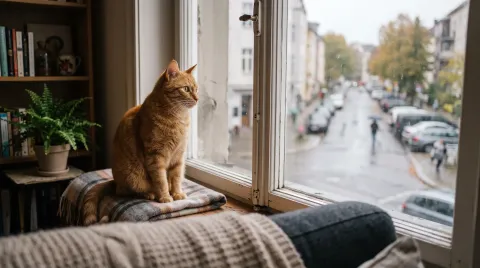
Do cats miss their owners? They even track the clock
Cats greet you harder after four hours away than after thirty minutes — they know how long you were gone. What missing looks like in a cat, when it tips into separation anxiety, and how to leave well.
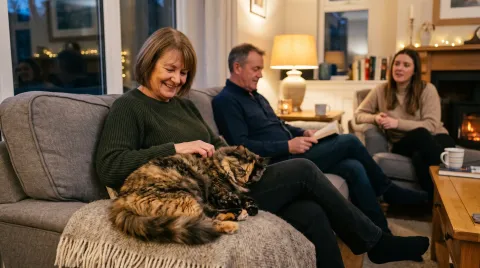
How cats choose their favourite person
It isn't whoever fills the bowl. The Swiss living-room study found one habit that predicts a cat's favourite better than food ever did — and the person who ignores cats has it by accident.
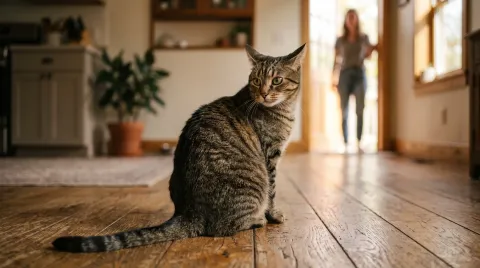
Cats know their names. They've decided not to answer
A Tokyo lab proved cats pick their own name out of a string of similar words — even from a stranger's mouth. What cats actually understand of what you say, and why the response is optional.
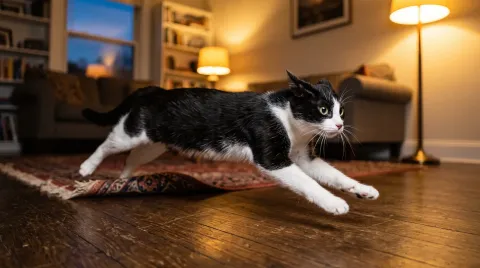
Zoomies: why your cat sprints through the house at 3am
The wall-of-death lap around the living room has a name, a mechanism, and a fix for the 3am edition. Why a predator that sleeps sixteen hours a day sometimes has to spend the surplus all at once.
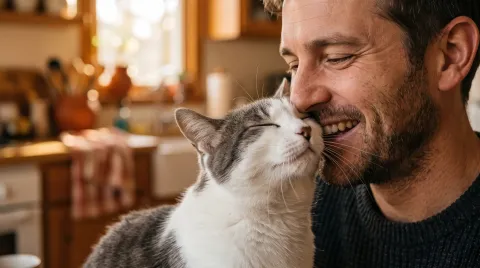
Headbutts and ankle rubs: what your cat marks you with
The forehead slam is called bunting, it comes with a chemical payload, and it's one of the biggest compliments a cat pays. What the glands are doing, what the group scent means, and when a rub is really an invoice.